
 Search Articles


TUCSON, Ariz. — A federal judge gave the U.S. Fish and Wildlife Service three years to assess the effects of five pesticides on endangered plants and animals in a win for environmental advocates who accuse the government agency of dragging its feet.
Going on eight years since the agency began consultations, U.S. District Judge John C. Hinderaker granted summary judgment to the Center for Biological Diversity, which sued Fish and Wildlife in 2022 accusing it of violating the Administrative Procedures Act by failing to complete environmental reviews known as biological opinions.
“There seem to be few competing priorities that would justify letting nationwide consultations that, based on the only data available, could impact most protected species and habitats, languish for around eight years,” the Donald Trump appointee wrote in his ruling Wednesday evening.
The Environmental Protection Agency found that the widely used pesticides in question affect up to 97% of the 1,800 plants and animals on the endangered species list.
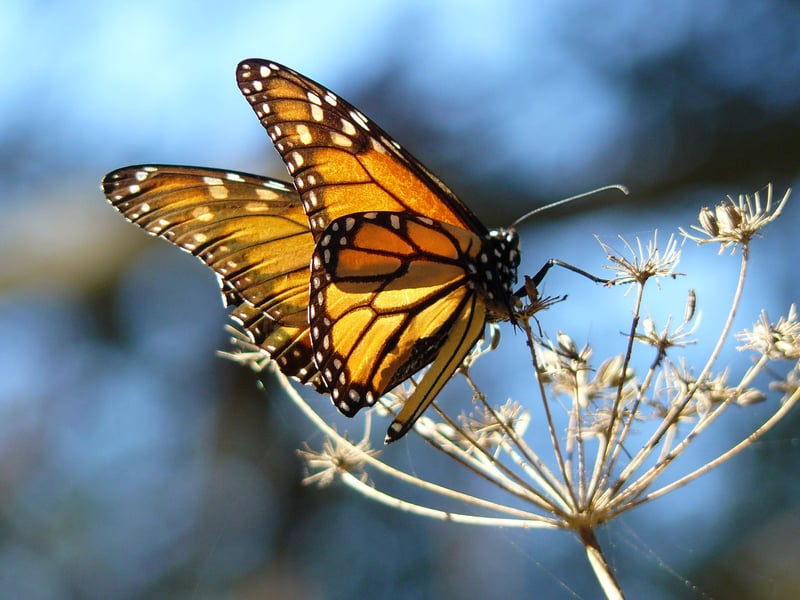
“This ruling will force the Trump Fish and Wildlife Service to take action to stop these dangerous pesticides from driving imperiled species like monarch butterflies and California red-legged frogs closer to extinction,” Jonathan Evans, environmental health legal director at the Center for Biological Diversity, said in a Thursday press release. “We’re thrilled to have won this case, but the real victory won’t come until the Trump administration acts on its promise to rein in use of dangerous pesticides like atrazine that are causing grave harms to people and wildlife alike.”
Fish and Wildlife began consultation over two pesticides, chlorpyrifos and diazinon, in 2017 — the year the EPA determined the chemicals harm wildlife. By 2022, it still hadn’t issued a final biological opinion, so the Center for Biological Diversity filed suit.
The EPA later studied the effects of four other pesticides — carbaryl, methomyl, atrazine and simazine — and found they had similar effects. The center amended its complaint last year to add those pesticides to the list.
According to the EPA, chlorpyrifos is harming 97% of protected species; diazinon, 78%; carbaryl, 91%; atrazine, 56%; and simazine, 55%. In December, Fish and Wildlife completed the biological opinion for a sixth pesticide, methomyl, which the EPA found to be harming 61% of protected species.
The chemicals are used on a variety of crops across the country and have been known to pose threats to humans as well as animals. Chlorpyrifos and carbaryl have been linked to developmental problems in children and chlorpyrifos has been banned from food uses in California, Hawaii, Maryland, New York and Oregon.
Atrazine, the most commonly used pesticide on the list, according to the Center for Biological Diversity, is linked to a range of hormonal and birth defects and has been banned in Europe for more than a decade.
“Many of these pesticides are so dangerous they’ve been banned in dozens of other countries, but U.S. officials have lacked the courage and will to stand up to powerful pesticide companies,” Evans said. “We’ll keep holding the Trump administration accountable for obeying our bedrock environmental laws to protect people and wildlife.”
Fish and Wildlife said in December that changing EPA guidance forced them to restart or delay complex consultations awaiting updated EPA data. That and the service’s limited staff and budget while conducting numerous similar consultations across the country are more than fair reason to take as long as it has, the service argues.
Hinderaker didn’t buy it.
The plaintiffs initially demanded a six-month timeline to finalize all five biological opinions, but Fish and Wildlife argued that rushing release would compromise the quality of the analyses. Hinderaker agreed, and allowed the service to propose its own timelines.
“By directing FWS to abide by its own timelines, the court is not ordering rushed opinions but instead ensuring external factors do not further derail the completion of already overdue consultations," Hinderaker wrote.
He ordered the service to finalize the biological opinions for carbaryl by March 31, 2025; atrazine and simazine by March 31, 2026; and chlorpyrifos and diazinon by Sept. 30, 2028.
“Still, as illustrated by the draft biological opinions on chlorpyrifos and diazinon released for public comment nine months after the EPA initiated consultation, FWS has shown it can complete consultation within a year,” Hinderaker added.
Fish and Wildlife didn’t respond to a phone call for comment.
 Follow @JournalistJoeAZ
Subscribe to our free newsletters
Our weekly newsletter Closing Arguments offers the latest about ongoing trials, major litigation and rulings in courthouses around the U.S. and the world, while the monthly Under the Lights dishes the legal dirt from Hollywood, sports, Big Tech and the arts.