Search Articles


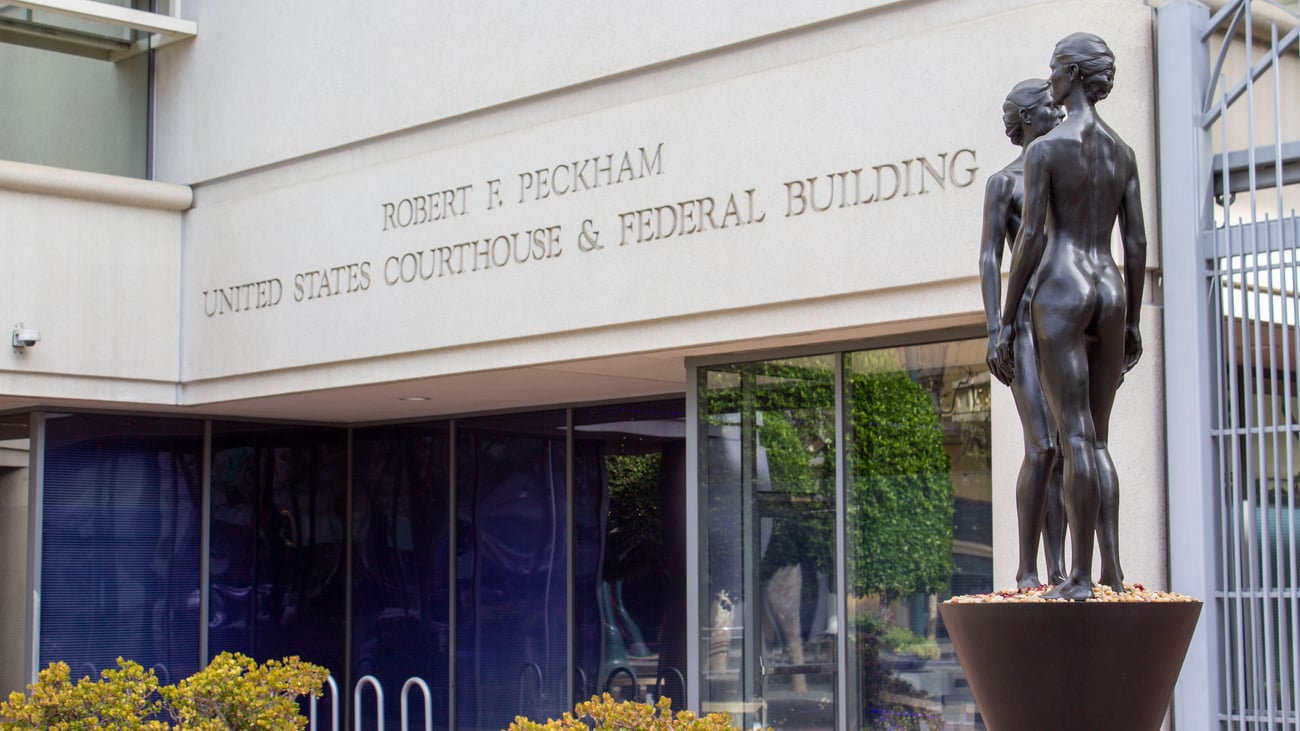
(CN) — A federal judge on Wednesday halted the U.S. Bureau of Land Management’s planned removal of hundreds of wild horses from three so-called herd management areas in Northern California and adjacent parts of Nevada.
Senior U.S. District Judge William Shubb in Sacramento agreed with a group of conservation nonprofits and individual plaintiffs that BLM’s 2025 Gather Plan, and its scheduled implementation this coming September, likely runs afoul of the Administrative Procedure Act as well as the Wild Free-Roaming Horses and Burros Act.
The judge, a George W. Bush appointee, specifically found the federal agency had failed to adequately address the plaintiffs’ claim that its overpopulation determinations for the three areas are based on unsupported assumptions and flawed, historical assessments of how many wild horses the areas can sustain.
“Because BLM has failed to consider the actual growth rates of the horse populations at issue, the court must conclude that BLM has acted arbitrarily and capriciously in violation of the APA,” Shubb wrote. “That being the case, the court concludes that based on the present record plaintiffs are likely to succeed on the merits of their WHA claim.”
The Administrative Procedure Act governs how federal agencies make and implement significant decisions, and if these decisions aren’t substantiated by sufficient data and analysis, they can be ruled to be arbitrary and capricious.
The 1971 Wild Free-Roaming Horses and Burros Act is intended to protect wild horses populations in the West and requires the Bureau of Land Management to maintain a current inventory of wild horses to determine when and where there may be too many horses in a herd management area.
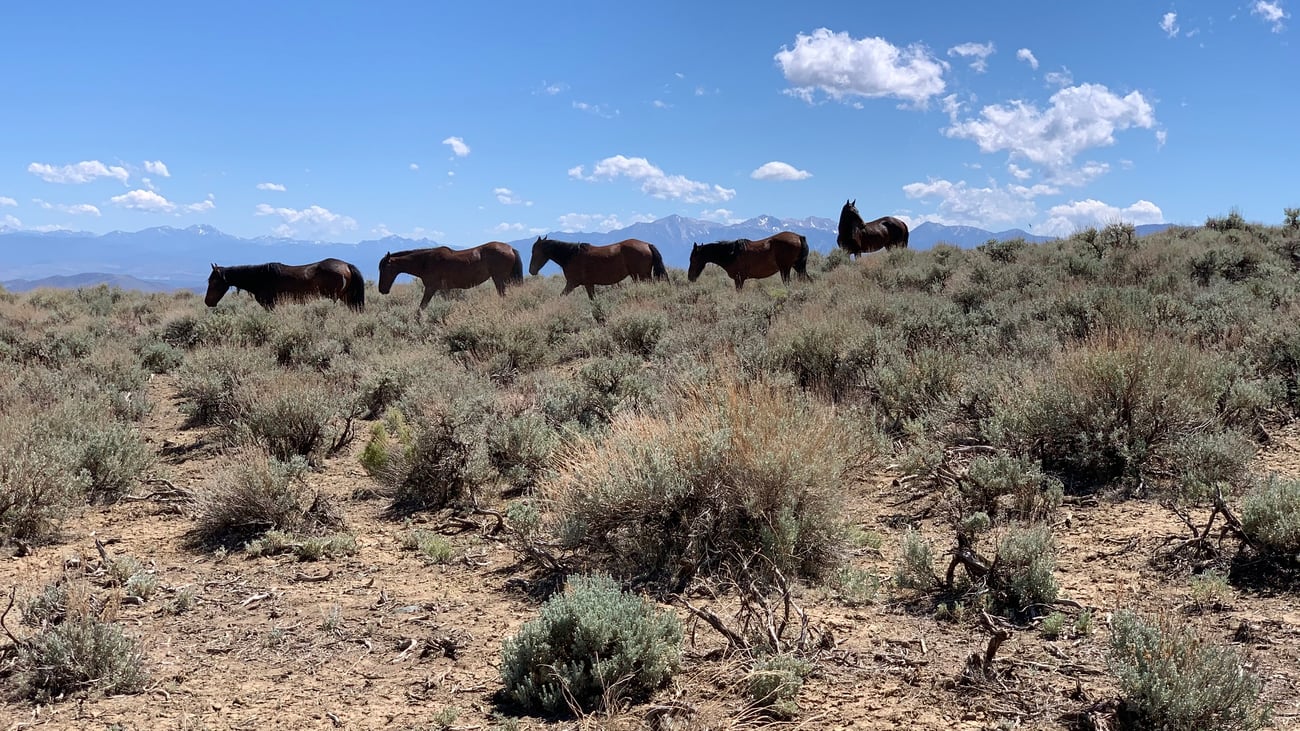
In its opposition to the conservationists’ bid for a preliminary injunction, the government said the hundreds of excess wild horses running freely around the Carter Reservoir, Buckhorn and Coppersmith Herd Management Areas, which combined cover 196,181 acres of public and private lands along the California-Nevada border, have negatively impacted both public and private lands, archaeological sites and other wildlife habitats.
According to the BLM website, wild horses removed from public rangeland in California are made available for adoption, and if there are no takers, they are cared for on open pastures for the rest of their lives.
Representatives of the Justice Department, which represents BLM in the litigation, and attorneys for the plaintiffs didn’t immediately respond to requests for comment.
Two other challenges to stop the federal government from rounding up wild horses in the Montgomery Pass Wild Horse Territory, near Mono Lake in Eastern California and adjacent parts of Nevada, faired less well.
On Tuesday, U.S. Magistrate Judge Chi Soo Kim in Sacramento denied a request for emergency injunction pending appeal in a lawsuit brought by three individual plaintiffs who had lost their 2025 lawsuit on summary judgment.
The judge wasn’t persuaded by new arguments the plaintiffs, who are presently without a lawyer, presented that BLM was to blame for the horses straying outside the territory — by not providing adequate water resources within the territory — and that BLM illegally altered the territory’s borders.
“Plaintiffs have not identified any exceptional circumstances explaining why they failed to present these new arguments on summary judgment, and the court has not identified any such circumstances in the record,” Kim wrote.
Also on Tuesday, U.S. District Judge Dale Drozd in Sacramento denied a request for a temporary restraining order by the Utu Utu Gwaitu Paiute Tribe, whose reservation sits at the southeastern corner of Montgomery Pass Wild Horse Territory, to halt the removal of horses that had been planned to start this week.
The judge, a Barack Obama appointee, rejected the tribe’s argument that the government had failed to consult with them as required under the National Historic Preservation Act, noting BLM had reached out to tribe and that tribe hadn’t responded to the agency’s efforts and canceled a meeting that BLM had set up in May.
“We are appealing this ruling, because what happens at Mono Lake starting tomorrow cannot be undone once it’s over,” Tribal Chairman Shane Saulque said in a statement Tuesday. “This is not the end of our fight. The federal government still has not meaningfully consulted this tribe as the law requires, and we intend to see it through to protect the horses and our irreplaceable cultural resources.”
 Follow @edpettersson
Subscribe to our free newsletters
Our weekly newsletter Closing Arguments offers the latest about ongoing trials, major litigation and rulings in courthouses around the U.S. and the world, while the monthly Under the Lights dishes the legal dirt from Hollywood, sports, Big Tech and the arts.