Search Articles



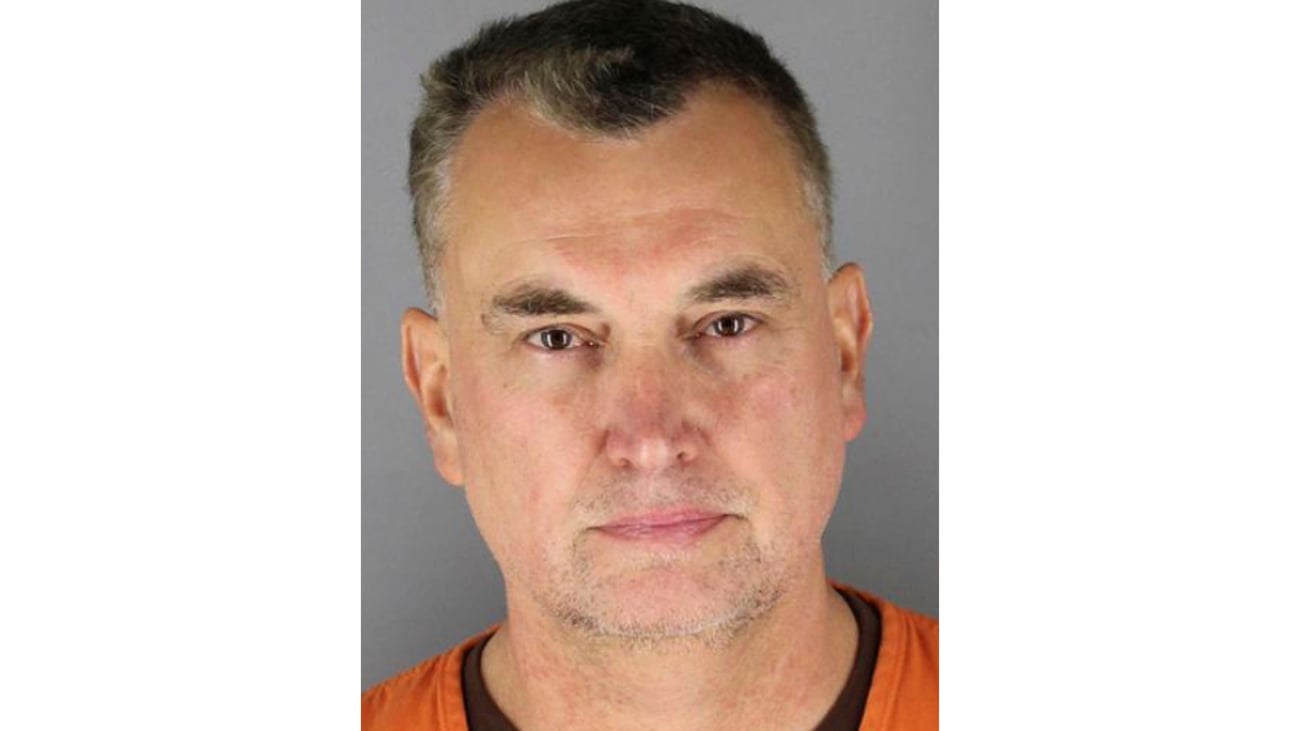
PHOENIX (CN) — A federal jury convicted Rene Ortiz on Monday of threatening to kill the president-elect in official documents he filed at federal courthouses in Arizona.
Though the documents he filed detail how, when and why he wanted to kill either Kamala Harris or Donald Trump — whoever won the 2024 presidential election — Ortiz’ public defenders argued in a four-day trial that the defendant made it clear in his language that he never intended to follow through.
On Nov. 5, 2024, the U.S. Marine combat veteran hand-delivered a printed document to the Sandra Day O’Connor U.S. Courthouse in Phoenix that read:
“I, Rene Ortiz, hereby move the court to execute the newly elected POTUS. I chose to execute the newly elected POTUS by firing an M-16A2 service rifle with a magazine of 6 rounds. The court and the defendants were warned to withdraw from their campaign.”
On Nov. 25, 2024, he filed two more documents at the Evo A. DeConcini U.S. Courthouse in Tucson, Arizona. Those documents read:
“The plaintiff petitions the court for him to make an attempt to shot at the candidate with an M-16A2 service rifle with a magazine of 3 rounds from a distance of 300 or 500 yards, the rounds targeting the head, not the ear of the candidate.”
Ortiz explained in the filings that both candidates had failed to uphold the rule of law, and requested a hearing with government leadership to discuss its failings.
Ortiz’s public defenders said the filings were merely a request for permission from the court. Because a judge would never grant such a request, they say the threats should never have been taken seriously.
Prosecutors say it doesn’t matter whether Ortiz meant what he wrote.
“What makes this a crime is the threats themselves,” Abbie Broughton said in her opening statement last week.
A Phoenix jury ultimately agreed, finding him guilty on two counts of threats against the president and successor to the presidency along with one count of threats against a former president.
Ortiz provided testimony from a licensed psychologist who said Thursday that Ortiz, a 56-year-old combat veteran, suffers from schizoaffective disorder and borderline personality disorder. Family members testified that, over the last seven years, they’ve watched his mental health decline as he became more obsessed with “filing paperwork.”
After he lost his job at the Department of Veterans Affairs, Ortiz began filing dozens of lawsuits challenging his termination and making a litany of other legal arguments his team admitted didn’t make any sense.
“This is just the disorganized ramblings of a mentally ill person trying to get attention,” public defender Michael Ryan said in his opening.
Jason Frizzel, a psychologist, said Ortiz is out of touch with reality, but does not pose a threat.
Witnesses who worked in the courthouses say Ortiz seemed entirely in control of his actions and was able to hold a conversation, growing audibly frustrated when they told him they couldn’t serve his list of defendants, which included then-President Joe Biden and the country of Mexico.
Prosecutors argued Ortiz knew what he was doing. Even if a cry for attention, they said he made a specific threat with a specific goal in mind, violating federal law in the process.
The threats he made in November 2024 weren’t the only ones.
A U.S. Marshal who investigated and arrested Ortiz testified Thursday that he first got involved in the case when Ortiz made threats to the central California U.S. attorney’s office two months prior.
Also in November, Ortiz left a voicemail with the staff of U.S. District Judges Dominic Lanza and James Teilborg, who had both dismissed lawsuits Ortiz filed.
Marshals decided not to arrest Ortiz at the time, apparently concluding that he likely suffered from mental health issues. Though prosecutors introduced the voicemail recording in court, Ortiz’ defense was barred from questioning the investigator about the decision not to arrest. They similarly were blocked from asking whether the U.S. Marshals had determined Ortiz was a low risk for violence.
 Follow @JournalistJoeAZ
Subscribe to our free newsletters
Our weekly newsletter Closing Arguments offers the latest about ongoing trials, major litigation and rulings in courthouses around the U.S. and the world, while the monthly Under the Lights dishes the legal dirt from Hollywood, sports, Big Tech and the arts.