Search Articles


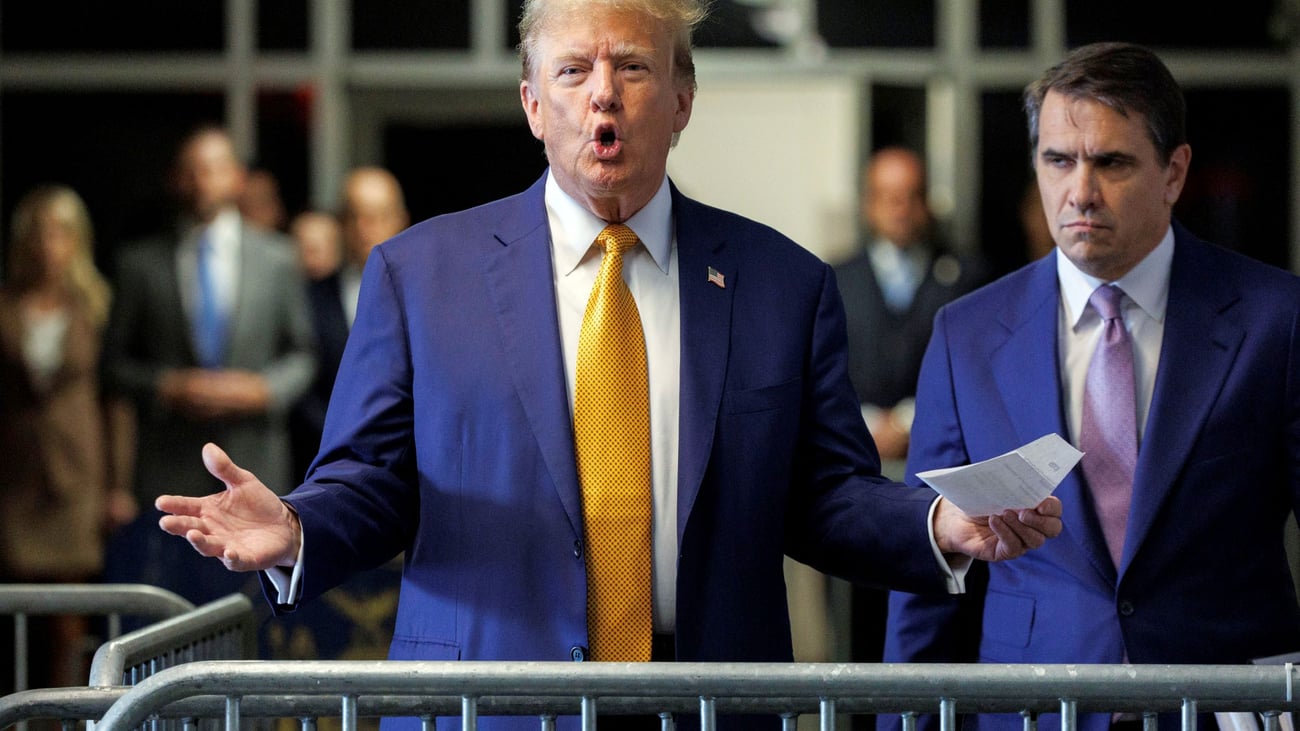
ALEXANDRIA, Va. (CN) — In a bid to persuade a federal judge to dismiss a legal challenge to the Trump administration’s controversial anti-weaponization fund, a U.S. Department of Justice attorney Friday repeated assurances that the scheme is now dead.
To date, “no money has been transferred to the fund, let alone any potential claimant,” asserted Andrew J. Block, senior counsel to the associate attorney general, in a brief filed in U.S. District Court.“No mechanisms were in place for formally submitting, receiving, processing, granting or denying claims. Indeed, none of the five contemplated ‘members’ who would establish and administer such procedures for the fund have even been appointed.”
The nearly $1.8 billion fund was to pay out damages to people described by the administration as having been unfairly targeted by the U.S. government. It was part of a proposed settlement for a lawsuit President Donald Trump filed against his own administration claiming the disclosure of his tax returns by a former government contractor entitled him to $10 billion in damages. While the president voiced support for the fund, various lawmakers, along with political observers and watchdog groups, worried the money could become handouts to insurrectionists who committed violent crimes during the Jan. 6, 2021, Capitol riot.
The Virginia lawsuit challenging the fund, filed in the U.S. District Court for the Eastern District of Virginia, is led by Andrew Floyd, a former assistant U.S. attorney who oversaw prosecutions stemming from the Jan. 6 attack, along with nonprofit organizations National Abortion Federation, Common Cause and others. Floyd contends he was fired for prosecuting Trump allies who are now themselves entitled to recover from the fund. The lawsuit names Todd Blanche, acting attorney general, Treasury Secretary Scott Bessent and Associate Attorney General Stanley Woodward Jr. as defendants.
U.S. District Judge Leonie Brinkema, a Bill Clinton appointee, presides over the case and indefinitely extended a block on the fund while the legal dispute plays out. But the judge also offered an exit strategy, saying she would consider declaring the challenge moot if Blanche, Woodward and Bessent signed declarations under penalty of perjury that the fund would not proceed “in any manner, or under any name.” They declined to do so, however, and the case is moving forward. A trial is currently set for November, but it must clear legal hurdles first.
In his brief, Block argues the case is moot, and the plaintiffs lack standing. The fund has garnered media and political attention, he points out, adding that through all of this, Blanche has been clear: The fund is not happening.
Blanche previously told Congress the administration would not move forward with the proposal, but Trump later indicated he still wanted it. Blanche also testified before Senate lawmakers Wednesday and fielded questions about the fund, again asserting that the plan was done. “I’m under oath today," he said, “and I’ve said it’s dead repeatedly.”
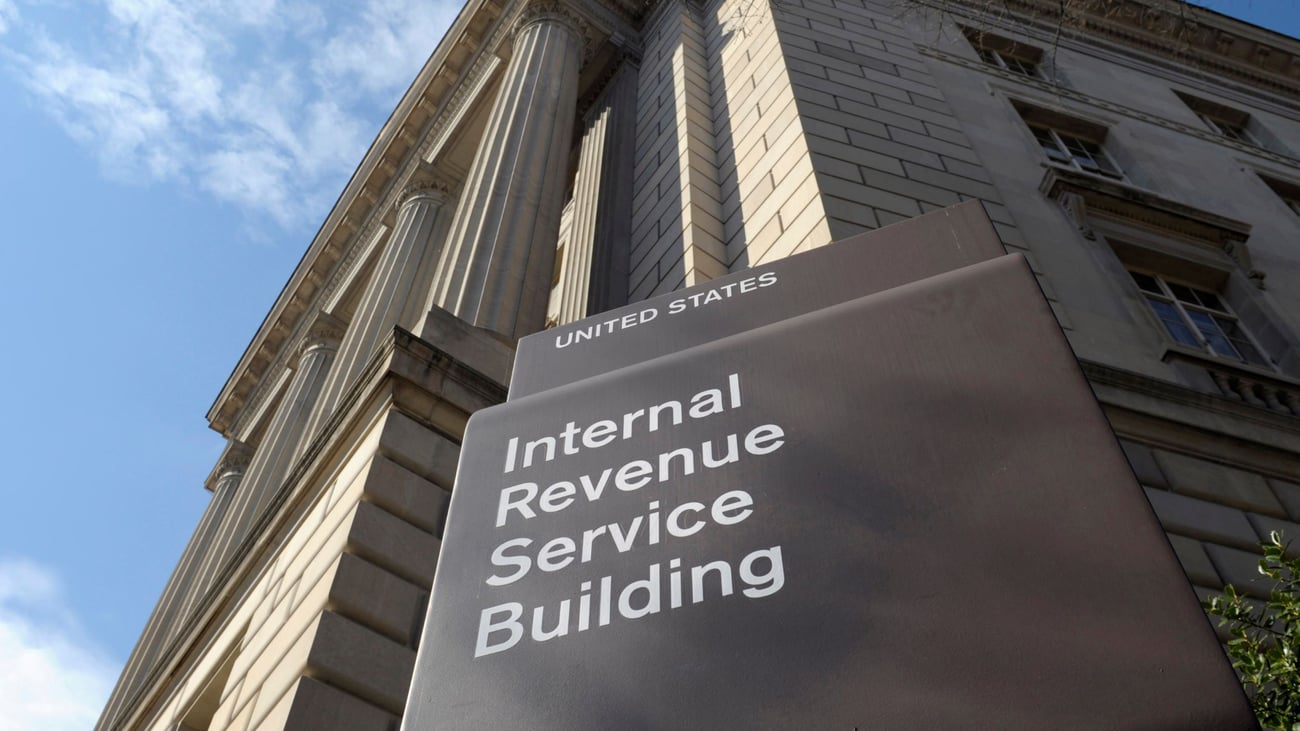
Separately, a Florida federal judge on Monday voided the settlement agreement between the IRS, Trump and Blanche, accusing them of trying to manipulate the judicial process.
Subscribe to our free newsletters
Our weekly newsletter Closing Arguments offers the latest about ongoing trials, major litigation and rulings in courthouses around the U.S. and the world, while the monthly Under the Lights dishes the legal dirt from Hollywood, sports, Big Tech and the arts.