
 Search Articles


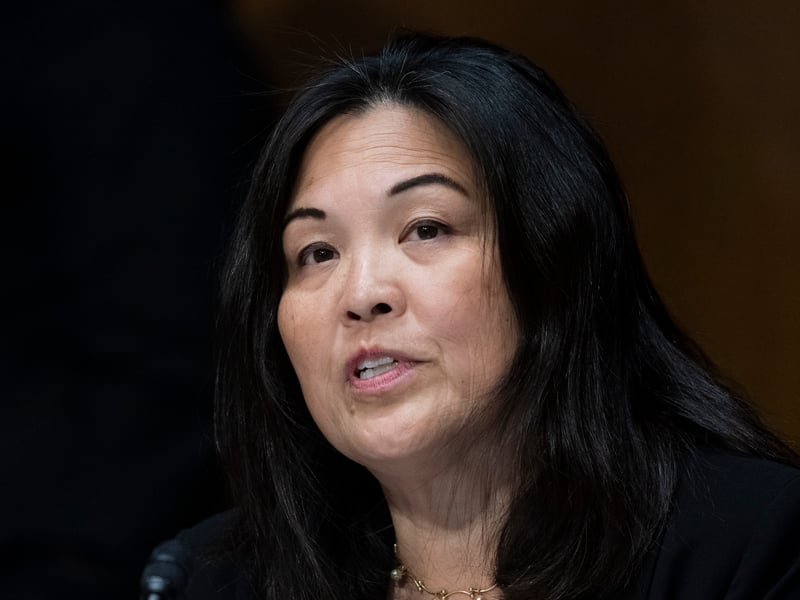
WASHINGTON (CN) — The Department of Labor is proposing to revive an Obama-era effort to expand overtime pay eligibility for 3.6 million workers.
Wednesday’s announcement, an update to the Fair Labor Standards Act, closely resembles an effort the Obama administration unsuccessfully sought to implement.
“I’ve heard from workers again and again about working long hours, for no extra pay, all while earning low salaries that don’t come anywhere close to compensating them for their sacrifices,” acting Labor Secretary Julie Su said in a press release. “Workers deserve to continue to share in the economic prosperity of Bidenomics.”
The act, enacted in 1938, entitles nearly all hourly workers to overtime pay after 40 hours a week at no less than time-and-half their regular rates. Salaried workers are exempt from that requirement unless they earn below a certain level.
The proposal would require employers to pay overtime to salaried workers who make less than $1,059 per week, or $55,068 a year for full-time employees. It would apply to executive, administrative and professional employees. The current threshold is $35,568, which was implemented by the Trump administration in 2019, raising the limit from $23,660.
Twenty-seven percent of salaried workers would be entitled to overtime pay under the new rule, the Labor Department estimated.
The announcement would exceed even the level proposed by President Barack Obama, who sought to raise the threshold to more than $47,000. That effort was opposed by business leaders and Republicans and was struck down in the courts.
Also included in the proposal are automatic updates to the income threshold every three years. Currently, it’s only sporadically updated, and the Trump administration increase was the first since 2004.
Officials are seeking public comment on the proposal, which could have the biggest impact in the retail, food, hospitality and manufacturing industries. The Labor Department estimated that 300,000 more manufacturing workers, 600,000 health care and social services workers and 180,000 people in the hospitality and leisure industries would become entitled to overtime pay.
“We are committed to ensuring that all workers are paid fairly for their hard work,” Jessica Looman, the Labor Department’s principal deputy wage and hour division administrator, said in a press release.
“For too long, many low-paid salaried workers have been denied overtime pay, even though they often work long hours and perform much of the same work as their hourly counterparts.”
After the 60-day public comment period, the Labor Department will publish a final rule.
Some business groups have indicated they might sue over the measure. The Partnership to Protect Workplace Opportunity, which was formed in response to the Obama administration’s efforts to increase the thresholds, urged the Labor Department in May to abandon the effort.
“Due to significant concerns with supply chain disruptions, workforce shortages, inflationary pressures, and the shifting dynamics of the American workforce following the Covid-19 pandemic, any rule change now would be ill-advised,” the organization wrote in a letter.
“Importantly, DOL last updated the overtime regulations only three years ago, which strongly suggests there is no need for urgency in issuing more changes.”
 Follow @TheNolanStout
Subscribe to our free newsletters
Our weekly newsletter Closing Arguments offers the latest about ongoing trials, major litigation and rulings in courthouses around the U.S. and the world, while the monthly Under the Lights dishes the legal dirt from Hollywood, sports, Big Tech and the arts.