Search Articles


PORTLAND, Ore. — The group behind the redevelopment of Portland’s Lloyd Center said its plan would help lead the city into the future.
It’s a future the City Council is expected to decide on July 8.
The council on Thursday reconvened for the second day to hear two appeals to a Central City Master Plan for the 27-acre Lloyd Center site. No decision was made that day. Councilors are expected to discuss the appeals and vote when they gather again in two weeks.
“We’re here today because we believe in Portland and its future,” said Tom Kilbane, managing director of Urban Renaissance Group, which is spearheading the redevelopment. He added: “We want to help lead Portland’s comeback.”
The plan, approved unanimously by the city’s Design Commission, would replace much of the aging shopping center with a mixed-use neighborhood featuring housing, retail, open space and a new street network.
Kilbane was one of several speakers over the two-day hearing. Dozens of project opponents spoke against the redevelopment over the two days, offering memories of the decades-old mall and ice rink as well as suggestions for their future use.
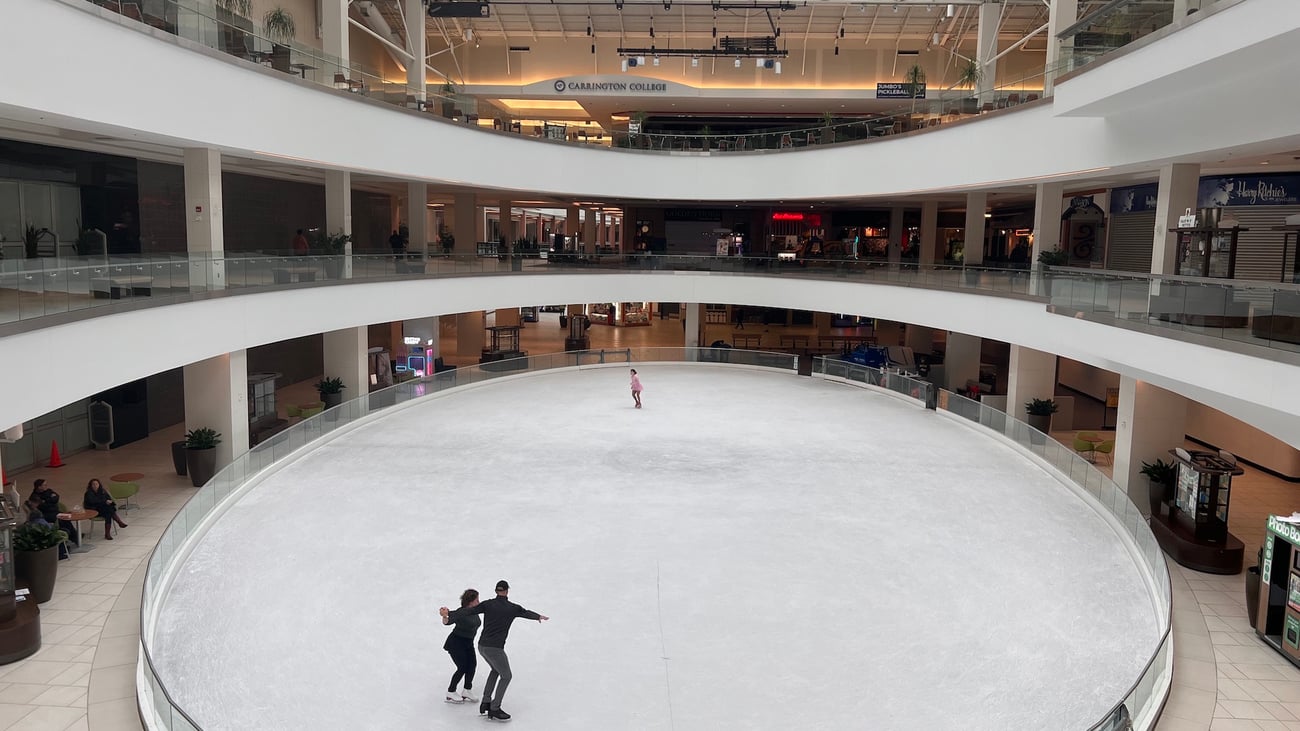
The mall, and its much-touted ice rink is set to close Aug. 8.
Opponents like Krista Catwood, who formed Food Court 5000 — styling itself as a retro mall walking group — said the Lloyd Center offers a public space to myriad people, including gamers, fan clubs and community organizations.
“Lloyd Center provides something exceedingly rare,” she said, adding: “People are watching Portland.”
Konrad Lasota, president and founder of the Oregon Rinks Initiative, said Portland has faced this problem before. The Portland Hippodrome drew accolades from across the world. It was once considered the world’s largest artificial indoor ice rink. It closed in the 1950s, leaving the city without a rink for a decade.
“Until the Lloyd Center opened its door,” Lasota added.
Many others supported the project, like Fischer Jemison. He said some opponents have given incorrect information, adding there is no alternative plan for the site if the council upheld the appeals.
“I can confidently say the mall has been dead for some time,” he said.
Craig Stroud, general manager of visitor venues with Metro — the regional government in greater Portland — said his focus is housing and the success of venue districts. Portland faces a housing crisis, and the Lloyd Center is already connected to necessary infrastructure. He urged the council to let the project proceed.
Project proponents made the same arguments, at points directly addressing an elephant in the room for many: the ice rink, famed partially as the formative training grounds for figure skater Tonya Harding.
People on both sides spoke about the nostalgia the year-round ice rink evokes. Trying to rebut misinformation, Kilbane said the master plan never included the inclusion of the ice rink, and that his group never sought to hide that fact.
“It has been clear for more than three years,” he said.
If a business wants to bring an ice rink to the redevelopment, Kilbane said his group would welcome it.
However, the city can’t require Kilbane to have an ice rink, said attorney Christe White.
White argued to the council that project opponents want the city government to mandate a specific use through the master plan. It can’t do that, and she questioned how far city involvement would reach if it could.
Would the city impose itself as a landlord, White asked, or decide who builds the ice rink and dictate its size.
Echoing Kilbane’s comments, White said the plan has no prohibition on an ice rink.
Nolan Lienhart, principal and director of planning and urban design at ZGF Architects, helped create the master plan. He told councilors that he grew up in Portland.
Lienhart said the Lloyd Center is a relic of another era, one that turned its back on its surrounding neighborhoods.
In contrast, supporters have said the redevelopment would create thousands of housing units, new parks and public spaces, and a 4,000-seat music venue already under construction in the former Nordstrom building.
“What we’re really creating is public realm,” Lienhart said.
Subscribe to our free newsletters
Our weekly newsletter Closing Arguments offers the latest about ongoing trials, major litigation and rulings in courthouses around the U.S. and the world, while the monthly Under the Lights dishes the legal dirt from Hollywood, sports, Big Tech and the arts.