Search Articles


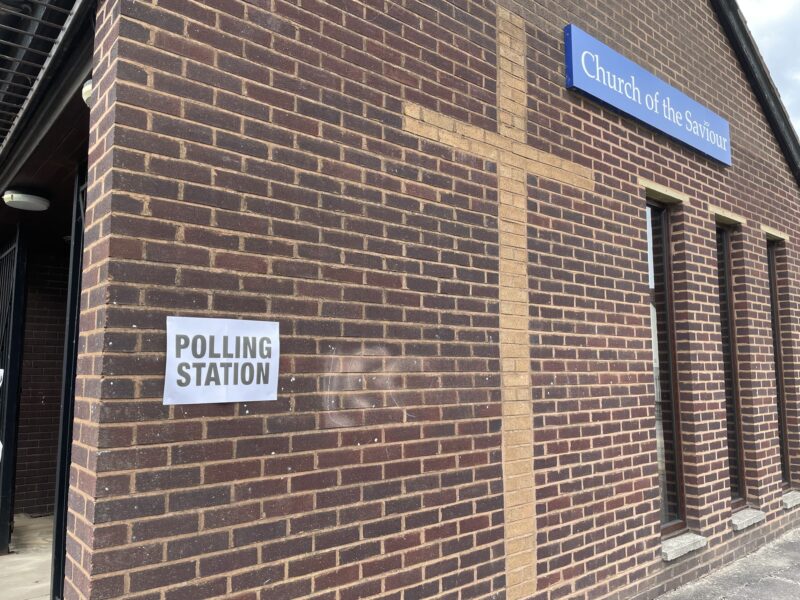
MANCHESTER, England (CN) — Voters across England, Scotland and Wales headed to the polls Thursday in the biggest electoral test yet for Prime Minister Keir Starmer, with his Labour Party bracing for losses from both the right and left after months of mounting political unrest.
Around 5,000 seats across 136 local councils are being contested in England, where Labour is defending more than half of them.
The Conservatives are defending 1,364 seats, the Liberal Democrats 689, the Greens 146 and far-right Reform UK just two.
The results will shape local services across Britain and offer the clearest sign yet of how voters view Starmer less than two years after Labour returned to power nationally following 14 years in opposition.
In Scotland, all 129 seats in the Parliament are being contested, while every seat in Wales’ devolved legislature, the Senedd, is also up for election after lawmakers expanded the chamber from 60 to 96 members.
For many voters, Thursday’s elections have become a referendum on the prime minister’s leadership.
Labour set to suffer
Starmer entered office promising stability after years of political upheaval, but several early decisions angered Labour’s traditional base and lawmakers on the party’s left flank.

His government’s moves to reduce winter fuel payments for pensioners, cut disability benefits, and commit the U.K. to the largest increase in military spending since the Cold War have prompted several revolts among the left of Labour and alienated the party’s core voter base, many of whom have shifted toward the left-wing Green Party.
Labour’s position on Israel’s war in Gaza has proved especially divisive in urban areas with large Muslim populations and younger voters.
Starmer is also facing questions over how much he knew about Peter Mandelson’s relationship with convicted sex offender Jeffrey Epstein before the prime minister appointed him U.K. ambassador to Washington.
At the end of April, lawmakers voted to block an investigation into claims the prime minister misled Parliament over the vetting process. Mandelson was dismissed from his post in September 2025 and arrested on charges of sharing classified information in February.
Starmer has faced criticism over tougher immigration policies that opponents say mirror rhetoric used by Reform UK, the right-wing populist party led by Nigel Farage.
Reform’s high expectations and a late Green surge
Farage, one of Britain’s best-known anti-establishment politicians, has long aligned himself politically with U.S. President Donald Trump and frequently praised the Republican’s agenda.

The party’s core focus is immigration, promising to stop small boat crossings in the English Channel by asylum-seekers, as well as deport illegal migrants.
Reform won its first local councilor position in 2023 and first seat in Parliament in 2024.
Last year, the party surged in local elections, winning 677 council seats and taking control of 10 local authorities for the first time.
With its first taste of local power, Reform promised to impose aggressive cost-cutting measures in councils it controls, comparing its plans to Musk’s DOGE initiative in the U.S. Instead, some Reform-led councils have raised local taxes despite promises to reduce wasteful spending.
It has also welcomed a steady flow of defections from Conservative lawmakers, leaving it with eight seats in Parliament.
Heading into the elections on Thursday, Reform has consistently been polling above 25% nationally and was projected to gain over 1,000 additional council seats Thursday.
The Green Party is also benefiting from Labour’s struggles.
Since electing Zack Polanski as leader, the Greens have adopted a more populist campaign style focused on housing costs, public services, environmental policy and opposition to Israel’s military campaign in Gaza.
The party is expected to gain hundreds of council seats and has recently polled in second place nationally in several surveys.
Nationalists lead in Scotland and Wales
In Scotland, the center-left Scottish National Party (SNP) is defending its position as the largest party after nearly two decades dominating national politics.
The SNP currently holds 64 seats in the Scottish Parliament, ahead of the Conservatives with 31, Labour with 22, the Greens with eight and the Liberal Democrats with four.
Scottish voters are choosing members of a devolved legislature with powers over healthcare, education and transportation, while the British Parliament in London retains control over defense, immigration and foreign affairs.
The SNP, while leading the polls, faces a strong challenge to its majority from both Labour and Reform.
In Wales, the largest party, Labour, faces pressure from Plaid Cymru, the center-left Welsh nationalist party, as voters elect members of the Senedd, which oversees key domestic services including health and schools.
After decades dominating Welsh politics, polling for Labour support has collapsed, with Reform and Plaid Cymru neck-and-neck.
There are no elections Thursday in Northern Ireland, where the next local council and Assembly elections are scheduled for May 2027.
Results from the elections are expected to arrive in waves, beginning in the early hours of Friday local time.
Courthouse News reporter James Francis Whitehead is based in England.
 Follow @jayfranklinlive
Subscribe to our free newsletters
Our weekly newsletter Closing Arguments offers the latest about ongoing trials, major litigation and rulings in courthouses around the U.S. and the world, while the monthly Under the Lights dishes the legal dirt from Hollywood, sports, Big Tech and the arts.