Search Articles


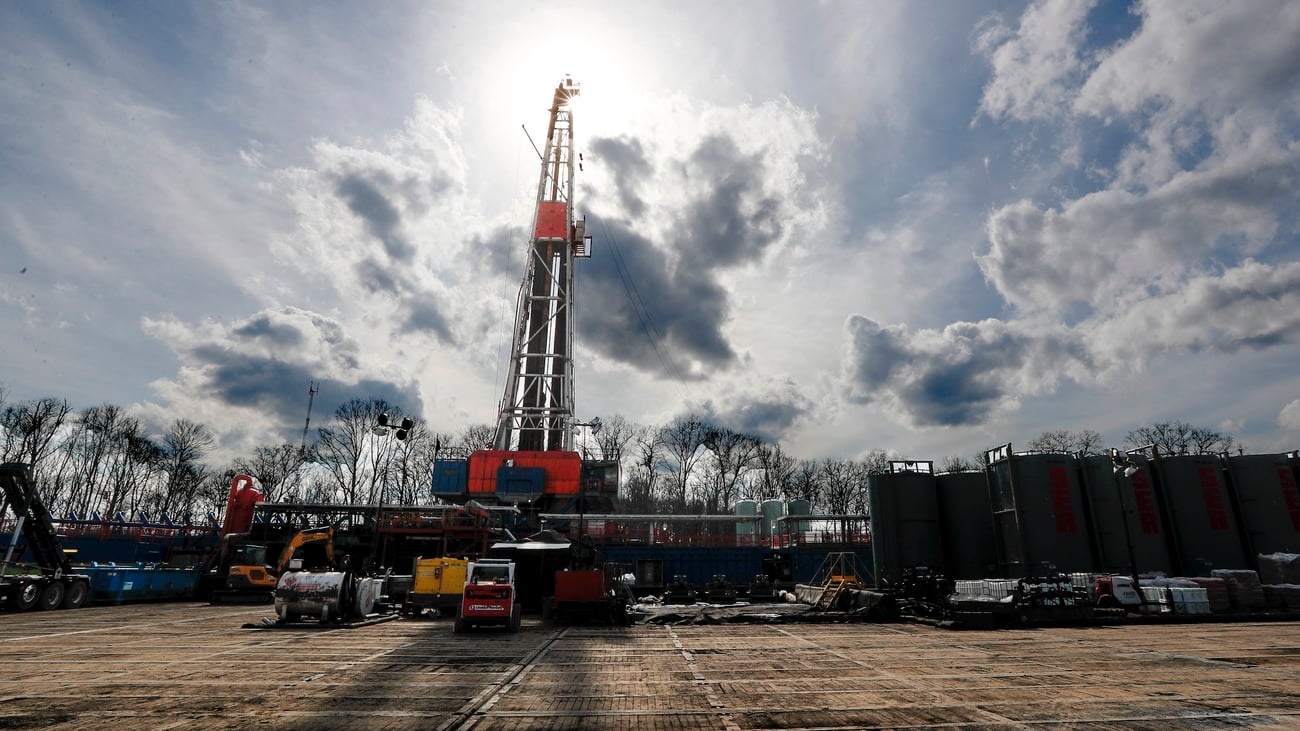
MINNEAPOLIS (CN) — A six-year legal battle over whether Minnesota can hold oil giants accountable for climate deception faced a pivotal moment in federal court Thursday, with state officials now on the defense.
As attorneys delivered arguments over a federal suit intended to freeze the state action, a larger question is beginning to be answered: whether states have the power to force fossil fuel companies into court.
At issue are two competing demands: the U.S. Department of Justice’s bid for a preliminary injunction to halt the state case and Minnesota’s motion to dismiss the federal suit.
If the case is dismissed, the state clears its final roadblock and moves toward discovery.
The Trump administration — which sued Minnesota in May — called the state’s lawsuit against Big Oil companies a threat to national energy policy, and an attempt to undermine federal authority by regulating global greenhouse gas emissions.
Minnesota, climate activists and allied states counter that these lawsuits are a way to hold fossil fuel giants accountable for decades of supposed knowledge of the devastating effects their products would have on the climate.
“What they’re essentially saying is ‘because our industry is so powerful and ubiquitous, you can’t stop us from making false statements about our product,” Minnesota Center for Environmental Advocacy Chief Legal Officer Leigh Currie said. “This is not a backdoor attempt to regulate greenhouse gas emissions, this is an attempt to stop a company from deceiving its customers about its products.”
In its 2020 complaint, Minnesota says major producers — including Koch Industries, ExxonMobil and the American Petroleum Institute — ran misleading public relations campaigns to downplay climate science while generating $2.4 trillion in profits from 1990 to 2019 alone.
Minnesota seeks to force these companies to pay for past and future damages, arguing mitigation costs should fall on those who profited from the crisis rather than taxpayers.
Currie, who helped the Minnesota Attorney General’s Office bring the suit years ago, pointed to recent wildfires in the northern region of the state as a direct consequence of climate change.
“I hope people understand the connection between what is happening in their lives right now with these climate impacts that we’re experiencing and the history of what these Big Oil companies were doing, and knowingly doing to deceive us about what they knew … and now we’re in a catastrophe,” she said.
After six years — during which Minnesota Attorney General Keith Ellison said Big Oil pulled “every procedural trick in the book” to delay the suit — the Minnesota Supreme Court allowed the case to move toward discovery.
Then the federal government stepped in.
The Trump administration contends allowing state courts to set energy standards would create a patchwork of conflicting regulations that undermines federal energy policy — a position backed by the energy sector.
“These baseless climate lawsuits are a coordinated campaign against an industry that powers everyday life, drives America’s economy and is actively reducing emissions. We agree with the Department of Justice that climate policy can only be set at the federal level, not in a patchwork of state courtrooms,” American Petroleum Institute Senior Vice President Ryan Meyers told Courthouse News in an email.
The government argues Minnesota’s targeting of global fossil fuel operations conflicts with the Clean Air Act and threatens to bankrupt energy producers through hundreds of billions of dollars in liability costs.
Ellison pushed back sharply on the Justice Department’s intervention.
“This frivolous and meritless lawsuit is just their latest attempt to hide from accountability,” Ellison said in a statement to Courthouse News. “The American people deserve a Department of Justice that fights for us, and it’s a tremendous shame that Trump’s DOJ would rather sell us out to Big Oil.”
The federal suit is part of a broader Trump-led directive to protect American energy from state overreach and increase the domestic energy supply, a push resulting in largely unprecedented actions, experts say.
“It’s very aggressive for the federal government to come in and file its own lawsuit to protect a defendant in a separate lawsuit,” University of Minnesota law professor James Coleman said. “It’s not because it’s an inherently crazy thing for the federal government to do, it’s just that the federal government has other things to do.”
Coleman added private companies have likely attempted to get the government to step in and help fend off lawsuits for decades, but it was always thought to be the “longest of long shots.”
Still, Coleman sees some merit to the government’s argument, noting the emissions within Minnesota are just a small part of carbon emissions around the world that likely impacted the state’s residents.
“The question is: How broad can this really be?” he said.
Currie, who’s worked in environmental law for 22 years, said it’s procedurally incorrect to try to get a federal court to stop a state court case — especially when courts have already decided the case belongs at the state level.
“This isn’t how the law works,” she said.
Senior U.S. District Judge John Tunheim, a Bill Clinton appointee, previously rejected the fossil fuel defendants’ attempt to remove the action to federal court, finding the state’s action to be at least a modest attempt to address whether the defendants engaged in a misinformation campaign.
Likewise, an Eighth Circuit panel of three Trump-appointed judges in 2023 unanimously agreed the state action is limited to “trying to hold fossil fuel producers responsible for alleged misrepresentations.”
Minnesota will rely on past rulings, as well as dismissals in the Trump administration’s nearly identical complaints against Hawaii and Michigan, to argue against federal intervention.
“Federal courts dismissed the Trump administration’s last two attempts to stop states from taking Big Oil companies to court. This naked political intimidation tactic should meet the same fate,” Richard Wiles, president of the Center for Climate Integrity, told Courthouse News in an email.
But Minnesota’s suit is much further along, and the threat of discovery — which many believe could be the nail in the coffin for Big Oil — may warrant stricter scrutiny from the courts.
“It’s often perceived as, if you can get discovery from these companies, that gives you such an opportunity to turn up an email that might be embarrassing, or to pose a burden on those defendants that in itself can constitute a victory,” Coleman said, noting discovery in the United States is much broader than other countries.
“From the state’s perspective, if they can get discovery going, that by itself may count as a victory, and that’s why you have the federal government stepping in here,” he added.
As Minnesota’s Big Oil suit crawls along, the fight is long from over — and it’s a battle being waged on multiple fronts.
Federal lawmakers recently introduced the Stop Climate Shakedowns Act — a legislative proposal that would grant sweeping legal immunity to fossil fuel producers and retroactively dismiss state-level deception and climate liability lawsuits.
While the proposal has yet to gain major traction, Coleman and Currie note court defeats for Big Oil could increase pressure to pass legislative protection, especially among Trump’s more loyal lawmakers.
The Justice Department and Koch Industries did not respond to requests for comment.
Subscribe to our free newsletters
Our weekly newsletter Closing Arguments offers the latest about ongoing trials, major litigation and rulings in courthouses around the U.S. and the world, while the monthly Under the Lights dishes the legal dirt from Hollywood, sports, Big Tech and the arts.