
 Search Articles


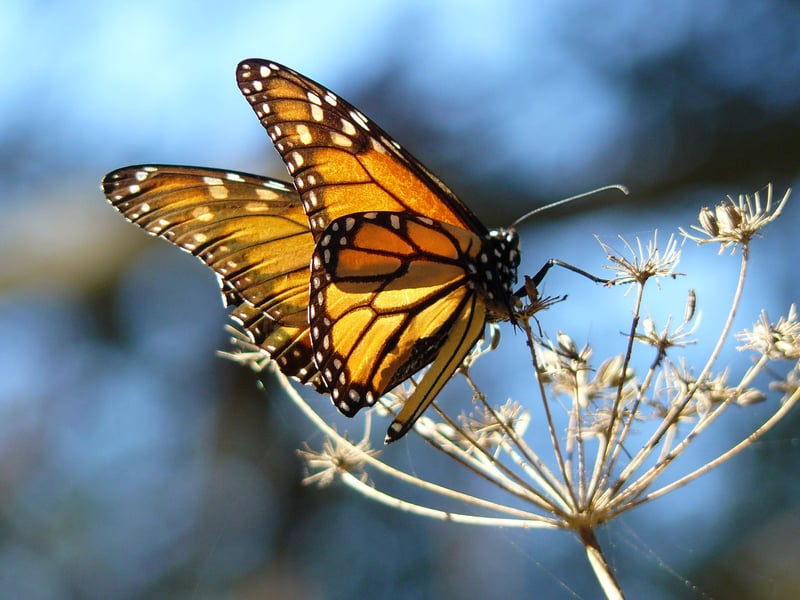
(CN) — The U.S. Fish and Wildlife Service on Tuesday proposed to protect monarch butterflies as a “threatened species” under the Endangered Species Act.
The orange and black butterflies once common throughout North America, especially along their 3,000-mile seasonal migration routes, have declined by 90% in recent decades. The latest counts put them at their second-smallest population on record.
Granting federal protections to the species would result in a comprehensive recovery plan and ongoing funding to restore their habitat.
“Today’s monarch listing decision is a landmark victory 10 years in the making,” said George Kimbrell, legal director at the Center for Food Safety.
Although it marks a minor victory, the decision didn’t come without years of significant pressure from outside groups. Since 2016, the Center for Biological Diversity and the Center for Food Safety have peppered Fish and Wildlife with lawsuits to secure a date by which it would decide on the butterflies’ protection.
“Sometimes if there’s not a lawsuit to get a binding date, then as administrations change, actions tend not to happen,” Tierra Curry, a senior scientist at the Center for Biological Diversity, told Courthouse News.
But the fight isn’t over, Curry said. Decisions over endangered species tend to be political, and under the first Trump administration, fewer species were protected under the Endangered Species Act than any other administration in history. The scientist expressed concern that a second-term Trump may roll back current safeguards and policies to expand commercial activity.
When he takes office, Trump is anticipated to reverse Biden-era policies preserving more than 1,000 endangered plants and animals under the Endangered Species Act, including one policy that prohibits authorities from considering economic factors while making these decisions.
“The whole point of the act is to rein in the activities that could drive a species off the planet. So, it becomes controversial when corporate greed interferes with these protections,” Curry said.
Barring a White House reversal of Tuesday’s decision, monarchs seem to be in the home stretch of a complicated approval process to designate a threatened species under the Endangered Species Act. The listing will become final 12 months after its proposal, during which Fish and Wildlife will have three months to hear public comment and incorporate any new information into the final protections.
In 2014, multiple advocacy groups petitioned the agency to protect monarch butterflies under the act, but the process didn’t move forward until 2020 when the species received a designation of “warranted but precluded,” meaning although they were a candidate for protection, other species took priority. Critics sometimes refer to this status as a “waiting list” and point out that, while in this stage, species still lack protections they may desperately need to avoid extinction.
“Listing a species as threatened or endangered is not a quick process,” a spokesperson for Fish and Wildlife told Courthouse News.
In the meantime, monarchs are battling for their existence. Since the 1980s, the eastern migratory population of butterflies has declined by around 80%, and the western migratory population has declined by more than 95%. The Fish and Wildlife Service said recently that western populations have a more than 99% chance of extinction by 2080.
Outside the U.S., other countries have acted on the matter. In Canada, monarchs were listed as “endangered” under the Species at Risk Act in 2023. In Mexico, they are considered a species of special concern.
Non-migratory populations of monarchs live year-round in southern states.
The Endangered Species Act of 1973 establishes protections for fish, wildlife and plants that are listed as threatened or endangered.
The Center for Biological Diversity is a nonprofit membership organization known for its work protecting endangered species.
Subscribe to our free newsletters
Our weekly newsletter Closing Arguments offers the latest about ongoing trials, major litigation and rulings in courthouses around the U.S. and the world, while the monthly Under the Lights dishes the legal dirt from Hollywood, sports, Big Tech and the arts.