Search Articles


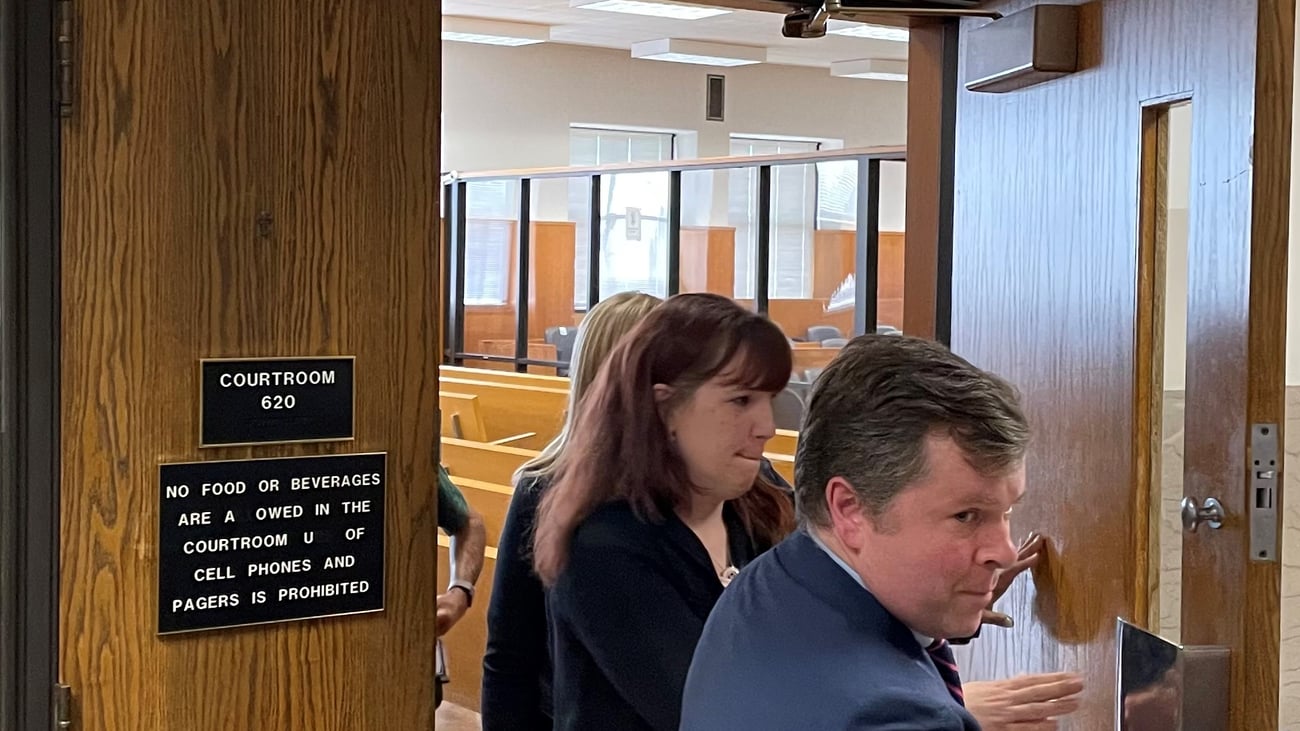
MILWAUKEE (CN) — A Wisconsin appeals panel on Tuesday affirmed the conviction of a former high-ranking Milwaukee elections official who fraudulently requested absentee ballots to highlight what she saw as flaws in the statewide system.
A jury convicted Kimberly Zapata, 49, in March 2024 of misconduct in public office and making false statements to obtain or vote an absentee ballot after she requested three military absentee ballots using made up names and directed them to the home of Janel Brandtjen — a Republican member of the Wisconsin Assembly who frequently made false assertions of fraud in the 2020 election.
Her attorney framed her during oral arguments in March as a whistleblower looking to draw attention away from election conspiracy theories and shine a spotlight instead on very real flaws in the absentee system.
He argued that, because she didn’t have the fictitious ballots sent to herself, she did not request them “for the purpose of obtaining” under the statute.
On Tuesday, the appellate panel affirmed her conviction and found there is no constructive difference between having the fake ballots delivered to her own home or someone else’s.
The panel interpreted “obtain” broadly to include actual and constructive obtainment. Zapata didn’t have to physically hold the false ballots in order to have illegally obtained them.
“The evidence demonstrates that by requesting the ballots, Zapata set off a series of actions she knew the ballots would be subjected to,” Judge Sara Geenen wrote for the panel. “In other words, Zapata controlled both the names under which the ballots would be generated and the destination to which those ballots would be sent. In our view, directing the creation and designation of the false ballots is exercising control over them.”
Zapata also argued on appeal that obtaining the ballots was not related to her job with the Milwaukee Elections Commission. The panel also rejected that argument, since Zapata used her work laptop to request the absentee ballots and entered her employee credentials to access WisVote, an employee-only database, to obtain Brandtjen’s home address.
She also chose three municipalities from which to request the military absentee ballots based on her institutional knowledge of the “subpar” clerks that would let the fraudulent requests through. These factors are more than enough to establish a “material connection” between her misconduct and her public office, the panel found.
The three-judge panel heard arguments in this case before around 150 students at Rufus King International High School in the school’s auditorium as part of a civil education program.
Geenen was joined on the panel by Deputy Chief Judge M. Joseph Donald and Presiding Judge Pedro Colon.
Donald appeared most sympathetic to Zapata’s whistleblower claim, which centers around the military absentee ballot system. In Wisconsin, military voters are not required to register to vote or provide photo ID to request an absentee ballot through an online portal facilitated by the Wisconsin Elections Commission.
This system alarmed Zapata, who says she attempted to close the loophole by notifying her superiors. They were apparently not receptive during a time when Zapata’s office was being inundated with election conspiracies and threats of harm in the wake of the 2020 presidential election.
“Do you think that because she just intended to point out a gap in the system, that this whole prosecution is unjust?” Donald asked Assistant Attorney General Abigail Potts during oral arguments.
Potts answered following that logic would mean any person could intentionally break the law so long as they “have a really good reason.” She suggested a broad interpretation of the statute might discourage future fraud.
But Colon noted a broad criminal statute would not stop foreign actors seeking to exploit the loophole in the military absentee ballot system to influence our elections by flooding the system with fraudulent ballots.
Zapata was sentenced to nine months in jail, stayed for 12 months of probation and 120 hours of community service for the misconduct felony, and a $1,000 fine for each of the three election fraud misdemeanors.
“Election integrity is fundamental to democracy, and unlawful interference must have consequences,” Milwaukee Election Commission executive director Paulina Gutierrez said in a statement. “We respect the judicial process and remain committed to administering elections fairly, securely and in accordance with the law.”
 Follow @desdev5
Subscribe to our free newsletters
Our weekly newsletter Closing Arguments offers the latest about ongoing trials, major litigation and rulings in courthouses around the U.S. and the world, while the monthly Under the Lights dishes the legal dirt from Hollywood, sports, Big Tech and the arts.