
 Search Articles


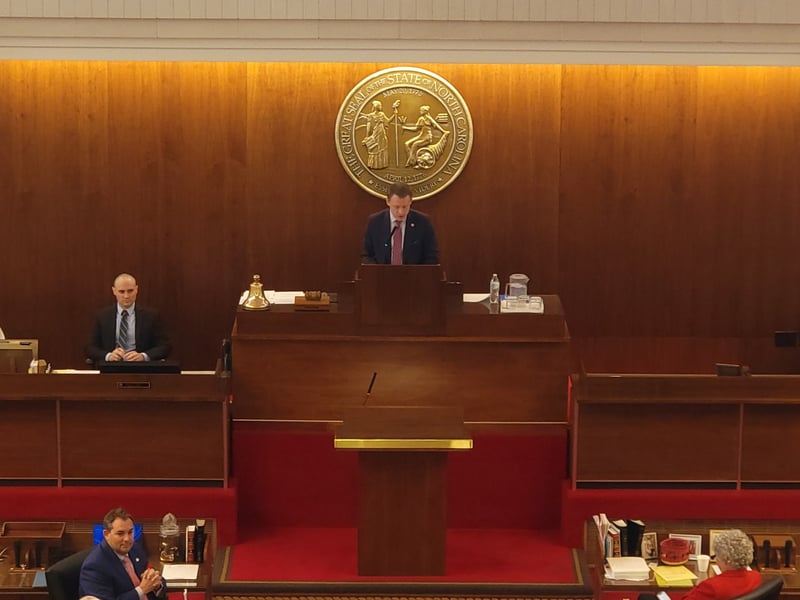
RALEIGH, N.C. (CN) — The North Carolina General Assembly passed additional Helene funding Thursday, as lawmakers wrapped up their primary working session with a two-year budget unresolved.
Hurricane recovery relief came to the wire after budget discussions slowed to a halt, stopping the procession of an additional recovery bill before the Senate. The Senate finally sent the bill back Tuesday, only for the House to decline to concur, and the chambers scrambled to reach a compromise before lawmakers leave for the summer.
Lawmakers are leaving Raleigh having failed to pass a budget, or even a mini budget, with Speaker of the House Destin Hall saying that the state isn’t facing any pressing deadlines. This is Hall’s first session as a speaker, but he said he is unconcerned about completing a budget on time.
“I’m more worried about getting the right budget done,” he said, saying that conversations over the budget will continue.
While the chambers have failed to reach a compromise on the state’s overall spending number, they managed to approve $500 million in relief funding before their summer break. An adjournment resolution hasn’t been passed, but lawmakers are expected to return once a month to address further priorities and veto overrides for the remainder of the year.
Lawmakers bounced a wildfire and Helene relief bill between chambers before passing a bipartisan conference report Thursday. Both sides agreed on helping western North Carolina, but Republicans in both chambers disagreed on how, with the House backing small business grants and Senate GOP leaders questioning their legality.
The House’s small business grants were cut in the final version, with most funding going to road repairs. Senate President Pro Tempore Phil Berger said the legislature hadn’t previously offered similar grants to eastern North Carolina and didn’t see a reason to now.
Democrats criticized the bill, saying it doesn’t do enough for Asheville and the Blue Ridge Mountain region. Senator Julie Mayfield, Democratic representative of Buncombe County, said the measure fails to help local governments replace lost tourism revenue and ignores that these businesses are critical to the area’s economy and lack the flood insurance that coastal businesses hit by hurricanes in the past have had.
“Everything about this is unprecedented, and so our response to it needs to be unprecedented,” Mayfield said. House Democrats expressed disappointment that representatives from the hardest-hit areas were excluded from the conversation.
There is more money coming, said House Majority Whip Karl Gillespie.
“We believe that this bill is addressing the needs that are the most urgent right now,” he said.
During the session, Republican lawmakers have focused on passing more policy-focused bills that shared common ground between chambers, including bills strengthening immigration enforcement and focused on eliminating diversity, equity and inclusion measures in schools, higher education and state agencies.
“I’m satisfied that we’ve gotten done what we can reach agreement on,” said Berger, saying that while the full budget was a priority, the chambers haven’t been able to come to an agreement that they can move forward with.
The state’s second disaster bill this year will add $700 million to the Hurricane Helene Relief Fund and allocate $500 million for rebuilding schools, colleges, roads and bridges. Additional funds will support park renovations, debris removal, dam repairs and flood mitigation. Nearly $300 million from the Department of Transportation’s budget will go toward hurricane recovery and road repairs.
The bill also addresses wildfire risks, which have worsened due to flammable debris left by Hurricane Helene. North Carolina has a high degree of wildlife urban interference, where houses and structures meet undeveloped forests, which worsens wildfire susceptibility. So far this year, over 26,000 acres have burned, up from 15,000 acres in 2024.
The state will spend $15 million to hire additional firefighting staff and purchase new equipment, as well as $18 million for rebuilding fire facilities and enhancing wildfire response capabilities.
North Carolina is estimated to have suffered over $50 billion in damages, and lawmakers have allocated more than $2.1 billion in recovery funds since the storm hit in September 2024.
 Follow @SKHaulenbeek
 Follow @shaulenbeek.bsky.social
Subscribe to our free newsletters
Our weekly newsletter Closing Arguments offers the latest about ongoing trials, major litigation and rulings in courthouses around the U.S. and the world, while the monthly Under the Lights dishes the legal dirt from Hollywood, sports, Big Tech and the arts.