
 Search Articles


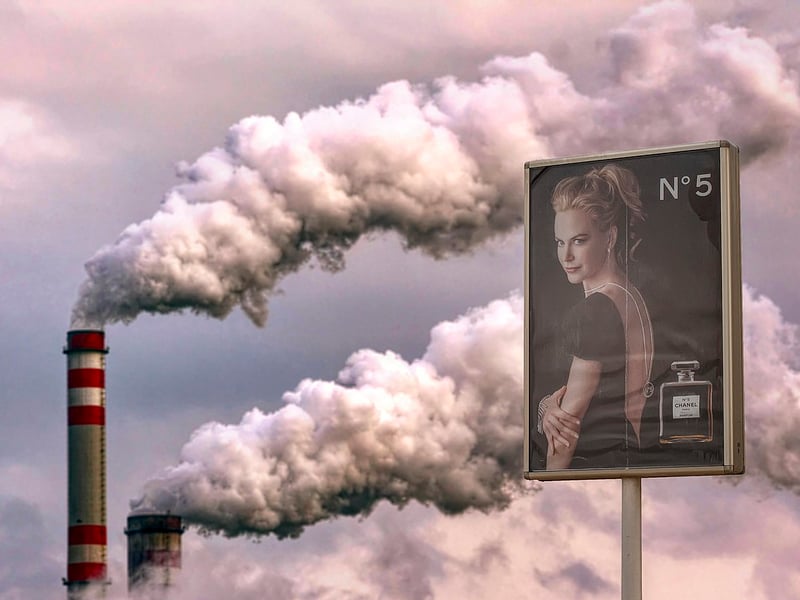
WASHINGTON (CN) — A D.C. Circuit panel rejected an effort by Republican attorneys general and fossil fuel industry groups to block the Environmental Protection Agency’s rules aimed at reducing pollution from fossil-fuel power plants.
The three-judge panel, made up of U.S. Circuit judges Patricia Millett, Cornelia Pillard and Naomi Rao — two Barack Obama appointees and a Donald Trump appointee, respectively — found that the GOP states had failed to clear the high bar required to issue a stay.
At the center of the challenge lies an April 25 announcement that the EPA would enact a series of rules meant to reduce carbon emissions and strengthen mercury and air toxic standards without disrupting the delivery of reliable energy.
The rules would require existing coal-fired and new natural gas-fired power plants control 90% of their carbon pollution through carbon capture, tighten the emissions standard for toxic metals at coal plants by 67%, reduce pollutants discharged through wastewater at coal plants by over 660 million pounds per year and require the safe storage of coal ash.
In a per curiam order — a unanimous decision “of the court” not signed by any one judge — the panel ruled the 25 conservative states had not shown the challenge would successfully prove the EPA had acted capriciously in deciding that carbon capture and emission control technologies are adequate and achievable.
Additionally, the challenge did not implicate the “major question doctrine” under the Supreme Court’s 2022 decision in West Virginia v. EPA, in which the high court crafted a legal standard barring federal agencies from resolving questions of “vast economic and political significance” without clear congressional authorization.
The court found that the EPA had only claimed the power to set emission limits under the Clean Air Act, “a type of conduct that falls well within EPA’s bailiwick.”
The challenge was brought by Alabama, Alaska, Arkansas, Florida, Georgia, Idaho, Indiana, Iowa, Kentucky, Louisiana, Mississippi, Missouri, Montana, Nebraska, New Hampshire, North Dakota, Oklahoma, South Carolina, South Dakota, Tennessee, Texas, Utah, Virginia, West Virginia and Wyoming.
Industry groups like the National Mining Association and American’s Power joined with the conservative states to challenge the final rule, arguing that the rule would cause irreparable harm to the power industry.
In a brief requesting the stay, the industry groups warned that without action, the rule would lead to “massive retirements” because very few power plants would be able to implement the 90% carbon capture and storage technology by the rule’s “unreasonable deadline.”
The panel was unconvinced, noting that the compliance deadlines would not begin until 2030 or 2032, well after this case would be resoled. While the first deadline for states is set for May 2026, the only consequence for missing it would be to have a federal plan promulgated rather than a state plan, which they could then replace with their own plans later.
“To the extent petitioners claim harm due to the need for long-term planning, a stay would not help because the risk remains that the distant deadlines in EPA’s rule will come back into force at the end of the case,” the panel said.
A similar coalition of Democratic attorneys general and environmental organizations, such as the Environmental Defense Fund, came out in support of the EPA’s rules.
In an emailed statement, General Counsel Vickie Patton lauded the panel’s decision.
“Climate change is here and it is harming all of us. Americans across the nation are suffering from the intense heat waves, extreme storms and flooding, and increased wildfires caused by climate pollution,” Patton said. “EPA has a legal responsibility, mandated by Congress, to control harmful climate pollution, which the court recognized today.”
The panel indicated it would schedule further oral arguments in the case as early as possible in the D.C. Circuit’s upcoming 2024 term, set to begin Sept. 5.
 Follow @Ryan_Knappy
Subscribe to our free newsletters
Our weekly newsletter Closing Arguments offers the latest about ongoing trials, major litigation and rulings in courthouses around the U.S. and the world, while the monthly Under the Lights dishes the legal dirt from Hollywood, sports, Big Tech and the arts.