
 Search Articles


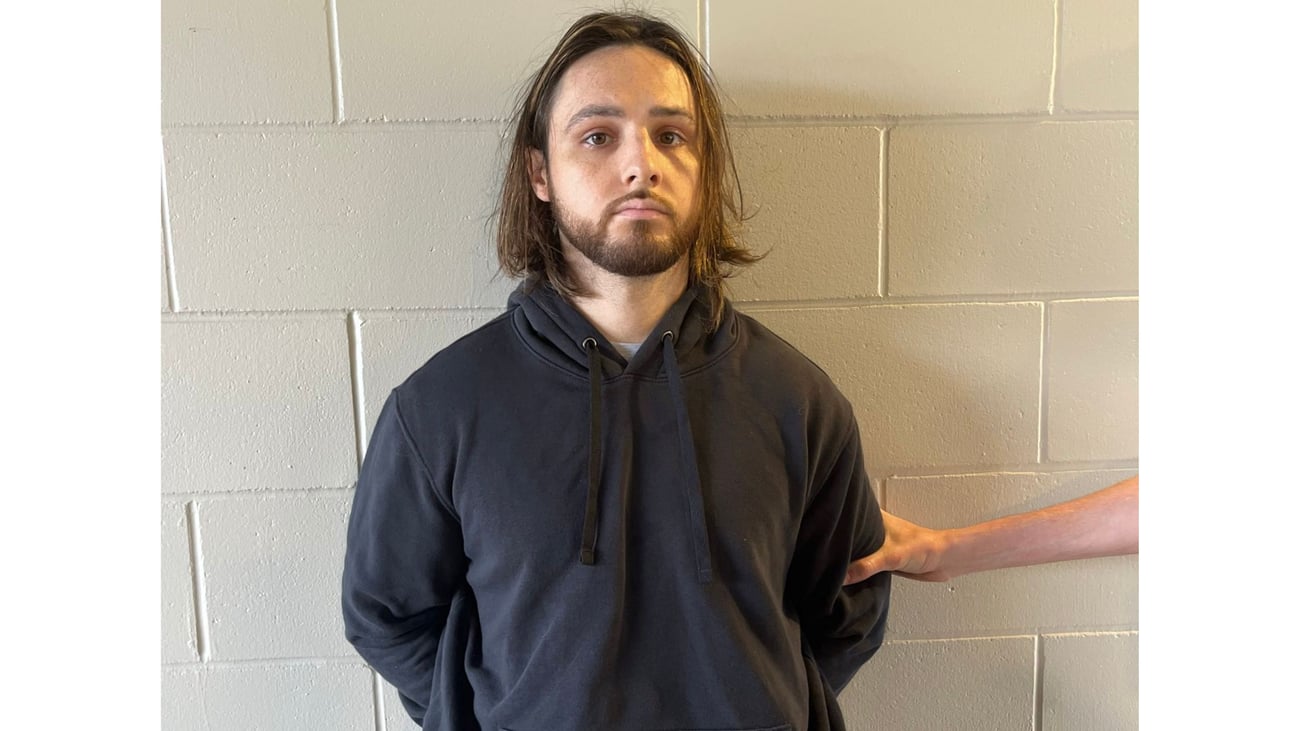
LOS ANGELES (CN) — A Los Angeles jury is set to decide whether a 30-year-old former Uber driver purportedly driven by resentment of the rich and powerful is guilty of starting a brushfire in the early hours of Jan. 1, 2025, that a week later morphed into the the most destructive firestorm in the city’s history.
Federal prosecutors and an attorney for Jonathan Rinderknecht made their closing arguments Tuesday afternoon after two weeks of testimony by U.S. Bureau of Alcohol, Tobacco, Firearms and Explosives investigators, arson experts, firefighters and local residents.
“You saw his deep-seated anger at the rich and powerful,” Assistant U.S. Attorney Danbee Kim told the jury in downtown LA. “He believed that the only way to change the course of the world and of society was through violence.”
Kim portrayed Rinderknecht as a self-proclaimed genius fueled by rage against the “rich losers and motherfuckers at the top” who had it all while enslaving him.
Rinderknecht, who has been in custody since his October 2025 arrest in Florida, is charged with destruction of property by means of fire, arson affecting property used in interstate commerce and timber set afire. He could be sentenced to as long as 45 years in prison if found guilty on all charges.
Prosecutors claim the Palisades Fire, which erupted Jan. 7, 2025, was a so-called holdover from the 10-acre Lachman Fire they say Rinderknecht lit on New Year’s Day.
After LA firefighters had extinguished the initial fire overnight, embers continued to smolder underground among the roots of the vegetation. When six days later extreme Santa Ana winds struck Southern California, these embers were rekindled and turned into the firestorm that destroyed thousands of homes in the Palisades and surrounding communities.
The jury heard evidence that Rinderknecht was working as an Uber driver on New Year’s Eve and after he had dropped off a passenger around 11:30 p.m. in the Pacific Palisades — an affluent residential neighborhood in the hills above the Pacific Ocean — he drove to a trailhead near a house where he had live a few years earlier with his then-boyfriend.
Rinderknecht admitted to investigators who interviewed a him a few weeks after the fire that he had hiked up a trail to a clearing on the hillside above the houses to look at fireworks, but seeing none, he went back down the trail when he noticed a fire nearby and called 911.
However, according to the feds, geolocation data from Rinderknecht’s phone put him right at the spot where the fire ignited shortly after midnight. Rinderknecht called 911 multiple times because he couldn’t get through to an operator, which allowed investigators to follow his tracks from the site of the initial fire to where he had parked his car.
Rinderknecht then drove away from the neighborhood, but when fire engines passed him the opposite way to fight the flames on the burning hillside, he turned around and followed them. He remained at the site of the fire for almost two hours, taking videos of the fire and the firefighting efforts.
Steven Haney, Rinderknecht’s attorney, told the jury in his closing argument that federal investigators changed their theory about what started the Jan. 1 fire to fit the suspect they had set their sight on.
“The suspected cause of fire changed,” Haney said. “The suspected cause was fireworks. They had probable cause that it was fireworks.”
It was common sense that fireworks caused a brushfire at midnight on New Year’s Eve, he told the jurors, who he said were the “gatekeepers of common sense.”
The investigators, the lawyer argued, ignored evidence from people in the neighborhood who testified at trial that they heard fireworks in the area around midnight.
Haney, as he had done throughout the trial, also argued the investigation into the origin of the Jan. 1 fire was fundamentally flawed because the scene of the fire had been left open to hikers and the elements for days, and the ATF didn’t arrive until after the Palisades Fire had left the hillside completely scorched and destroyed all evidence.
In addition, Haney said, there’s no video footage showing when exactly the Lachman Fire was ignited, and it may very well have happened before his client hiked up the hillside around midnight and been smoldering undetected.
“If nobody’s knows when the fire started, everybody is guessing,” he said.
Uber passengers who rode with Rinderknecht that night said he appeared angry and volatile. He had been rebuffed in an attempt to make plans that night with a woman whom he had dated briefly earlier that year, and prosecutors said he had left extremely offensive voice messages for this woman and explored at length how to respond to this perceived rejection through prompts with the ChatGPT artificial intelligence application.
His other interactions with the chatbot showed Rinderknecht’s obsession with wealth disparity and his tendency to blame the rich for the wrongs in the world and his life.
At one point, Rinderknecht repeatedly instructed the chatbot to create dystopian images where the picture was divided by a wall: on the left side, ordinary people are fleeing burning mountains; on the right side, rich people enjoy themselves in safety. The jury was only told about these AI-generated images and not shown them in court.
A behavior analyst, or profiler, for the prosecution testified that Rinderknecht’s behavior matched the profile of an arsonist motivated by a desire to take revenge on society.
Kevin Kelm, the government’s expert, told the jury last week that, based on ChatGPT interactions and witness testimony, Rinderknecht couldn’t cope with stressors in his life such as financial and relationship problems. At the same time, he was fixated on political and social issues like wealth disparity that enraged him without being able to do anything about them.
“He tends to collect grievances,” Kelm said. “It’s always somebody else’s fault.”
 Follow @edpettersson
Subscribe to our free newsletters
Our weekly newsletter Closing Arguments offers the latest about ongoing trials, major litigation and rulings in courthouses around the U.S. and the world, while the monthly Under the Lights dishes the legal dirt from Hollywood, sports, Big Tech and the arts.
Additional Reads
 States take aim at Trump’s IRS settlement June 23, 2026

 Virginia governor highlights prison safety reforms June 23, 2026