Search Articles


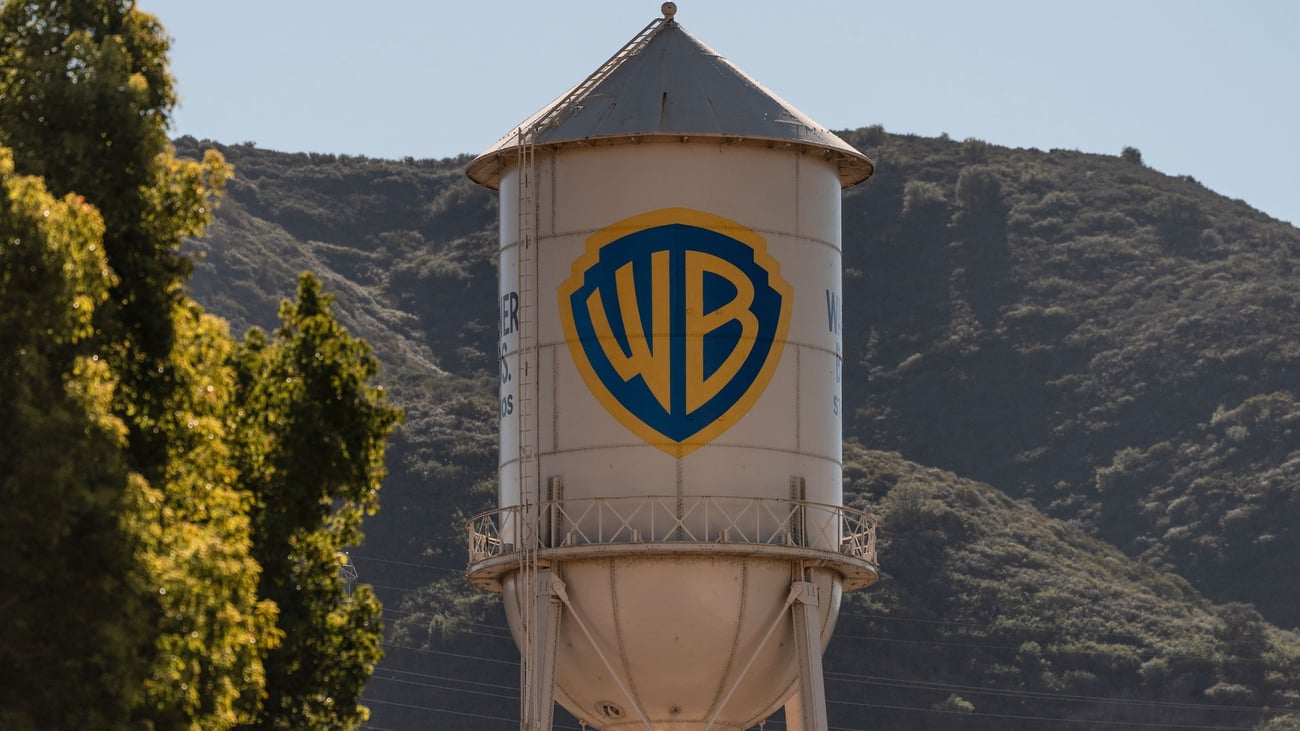
(CN) — Paramount and Warner Bros. Discovery agreed Friday to halt their proposed merger while two legal challenges unfold.
The stipulation was filed days after a federal judge in California granted a coalition of states’ request to temporarily block the $110 billion merger.
Under the terms of the agreement, the entertainment giants agree to hold off on closing the deal until either five days after a court decides on the merits of the challenges or June 1, 2027, whichever comes first.
California Attorney General Rob Bonta, who’s leading the coalition of 12 states challenging the merger, said the agreement will benefit audiences, movie theaters and those working in the entertainment industry.
“Our argument against this illegal merger is straightforward: When too few corporations have too much power in markets central to American life, it makes things more expensive, and it makes things worse,” Bonta said in a statement.
U.S. District Judge Araceli Martínez-Olguín earlier this week found the states demonstrated that a merger between the two companies would substantially lessen competition.
The Joe Biden appointee granted the states’ request for a temporary restraining order, noting they supported their Clayton Antitrust Act claims with expert evidence on the effects the merger would have on wide-release theatrical films, the distribution of anticipated top-grossing theatrical films and licensing of basic cable channels to distributors.
The combined company would control more than 50 basic cable channels, HBO and Showtime premium cable channels, three streaming services, three television production studios — including CBS Studios — and two of the largest film studios in Hollywood: Paramount Pictures and Warner Bros.
The states — California, Arizona, Colorado, Connecticut, Massachusetts, Minnesota, Nevada, New Jersey, New Mexico, New York, Oregon and Washington — filed suit against the companies on July 13, nine days before the deal was originally set to be finalized. They say the merger violates the Clayton Antitrust Act.
On July 14, the Writers Guild of America also sued the companies over the merger’s purported anticompetitive effects on film industry employees. Martínez-Olguín is overseeing both cases.
Paramount reached a deal to acquire Warner in late February, with both companies contending the merger would benefit consumers and encourage growth in the industry.
Warner shareholders voted in support of the deal back in April, agreeing to sell the entire business to Skydance-owned Paramount for $31 a share. If the deal goes forward, it would join two major streaming platforms, HBO Max and Paramount+.
The states say Warner and Paramount are currently two of the five major film distributors. After consolidation, three distributors would control 75% of films. Four distributors — the defendants, Disney, Sony and Universal — would control 86%.
The two companies would control over 30% of the submarket of anticipated blockbuster films if they merged as well as a 27% share of the market for basic cable channels.
“The combined company would eliminate competition between the movie behemoths and inflict substantial harm on movie theaters, basic cable distributors, and audiences nationwide,” Colorado Attorney General Phil Weiser said in a statement on Friday. “This is a huge win for everyone who enjoys movies or television. I’m proud of my attorney general colleagues in our coalition for being bold and stepping up to enforce the antitrust laws when the Department of Justice wouldn’t.”
The Justice Department in June announced it closed its probe into the deal and said its antitrust regulators concluded the impact of the merger would increase competition in the industry.
Representatives for the two companies did not respond to a request for comment before press time.
Subscribe to our free newsletters
Our weekly newsletter Closing Arguments offers the latest about ongoing trials, major litigation and rulings in courthouses around the U.S. and the world, while the monthly Under the Lights dishes the legal dirt from Hollywood, sports, Big Tech and the arts.