Search Articles


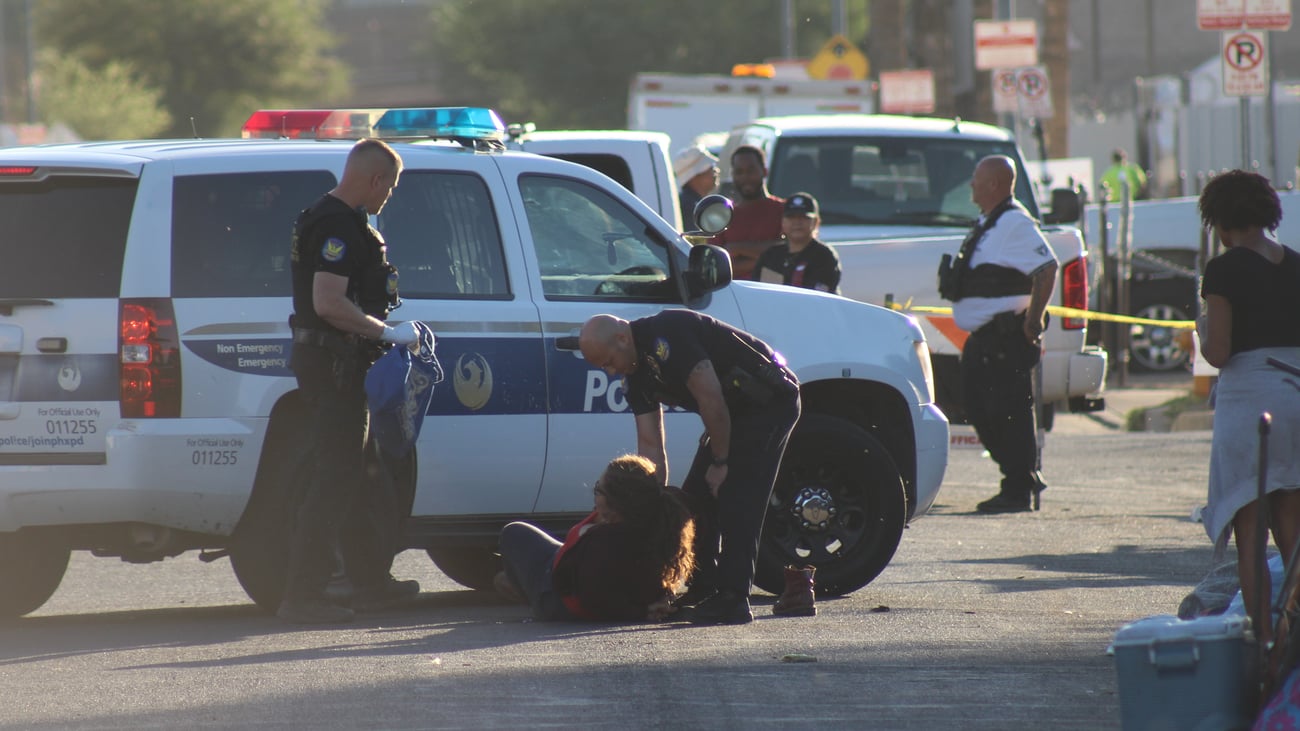
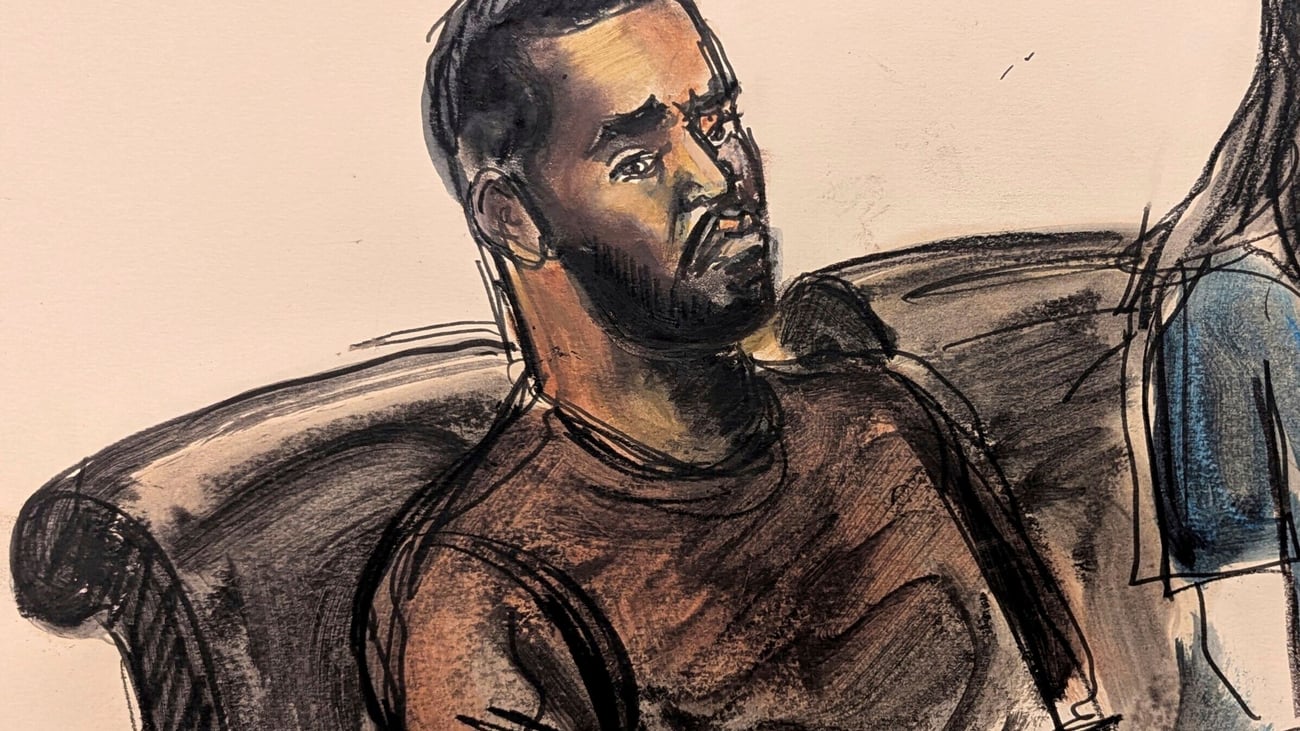
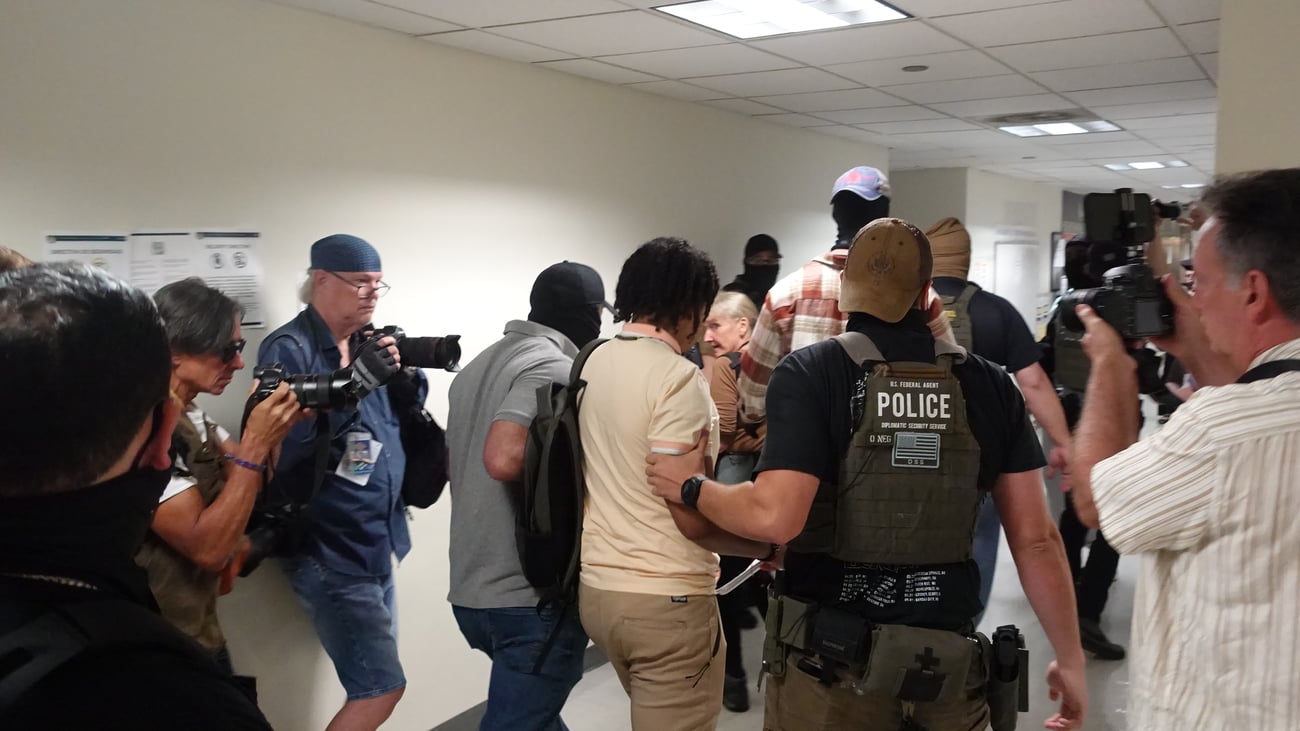
PHOENIX (CN) — Three Phoenix police officers involved in the arrest of Jamaar Williams at a 2019 protest testified in federal court Wednesday, offering conflicting accounts.
Officer Darrell Magee says attorney and Black Lives Matter organizer Williams assaulted him and resisted arrest while protesting downtown against the treatment of immigrants at the border. Williams says he never touched the officer, and he sued Phoenix and several law enforcement officers in 2020, saying officers made false statements to support a prosecution that was immediately dismissed by a state judge for lack of evidence.
Magee said in a probable cause affidavit, written by a different officer, that Williams pushed him in the chest with an open palm. While watching footage of the incident in a Phoenix courtroom Wednesday morning, Magee acknowledged that Williams held his phone in one hand and a plastic water bottle in the other.
“So there was no open palm to push you with?” plaintiff’s attorney Christopher Madeksho asked.
“Yeah, he could have pushed me with the water bottle hand or the phone hand,” Magee said.
Because Magee reported the incident to Officer Francisco Barrios, who later arrested Williams at the protest and wrote the original report, it was Barrios who testified at Williams’ preliminary hearing before Maricopa County Judge David Seyer.
Barrios told the judge he had no firsthand knowledge of the incident and went solely on what Magee described to him. In a video of that hearing played Wednesday, Barrios says he saw a “Caucasian male” pushing officers in the police footage.
Jamaar Williams is Black.
“You watched a video of a Caucasian person, which couldn’t have been Mr. Williams?” plaintiff’s attorney Mart Harris asked.
“Yes,” Barrios said.
“And that Caucasian person was doing the things Officer Magee said happened? Harris asked.
“Yes,” Barrios answered.
Barrios said in his deposition that Magee reviewed the report. But in his testimony on Wednesday, he said he assumed but doesn’t know for sure whether Magee actually reviewed it.
“Is it because you didn’t want Officer Magee to get in trouble?” Harris asked, suggesting that Barrios knew Magee may have been lying.
“I’m not sure,” Barrios replied.
When the crowd didn’t follow dispersal orders, Magee and a skirmish line of officers advanced, pushing protesters to the sidewalk. After Williams was pushed by a different officer, Magee says Williams lunged forward and pushed him, then Magee pushed Williams, causing Williams to fall backward.
The video is blurry, and attorneys disagree over what exactly the jury watched unfold. At one point, Williams is seen falling back after Magee’s push. Magee says his outstretched arms tried to grab Williams, but Williams pulled away.
In an earlier frame, Magee’s plastic riot mask is illuminated by Williams’ phone. Magee says that’s when Williams shoved him with his phone in his hand, but the video is unclear.
Magee said he never gave any command to Williams, indicating that he was under arrest.
On cross, Magee told his defense attorney, Lori Berke, that Williams stood on the curb, but just a few seconds later said Williams was not on the sidewalk and refused to get on it. In the footage, Magee is seen stepping toward Williams up onto the curb.
On redirect, Magee claimed he never pushed Williams at all before clarifying, “I didn’t impact push him. I pushed him.”
After the lunch hour, Williams’ attorneys told U.S. District Judge Susan Brnovich that one of the exhibits the defendants had been showing the jury had been altered. Berke said her team chopped a 10-second video of the altercation into multiple still photos to make it easier for the jury to interpret. Williams’ technical assistant noticed that the stills appeared to be brightened from the original video, the frame was zoomed in and the overall quality was reduced.
Berke said they lightened the photos to make them easier to see, but the degradation of quality was an accidental result of converting the images to different forms for ease of electronic transmission.
Harris asked that the stills be struck from evidence. Berke countered that Harris and his team already waived any objection to the use of the stills. Harris said he wouldn’t have waived that objection if he were aware of the alteration.
“I feel misled about the foundation of that document,” he said.
Brnovich, a Donald Trump appointee, said she will compare the stills to the original video overnight.
Williams took the stand near the end of the day, but his attorney Madeksho ran out of time to question him, asking only about his background, foundational knowledge and experience at protests. His testimony will continue Thursday afternoon, after which he intends to rest his case.
The defendants will call only two witnesses for their case-in-chief. The parties plan to begin closing arguments Friday morning.
 Follow @JournalistJoeAZ
Subscribe to our free newsletters
Our weekly newsletter Closing Arguments offers the latest about ongoing trials, major litigation and rulings in courthouses around the U.S. and the world, while the monthly Under the Lights dishes the legal dirt from Hollywood, sports, Big Tech and the arts.