
 Search Articles


A new study reveals evidence of nesting in a place once thought to be too cold for dinosaurs.
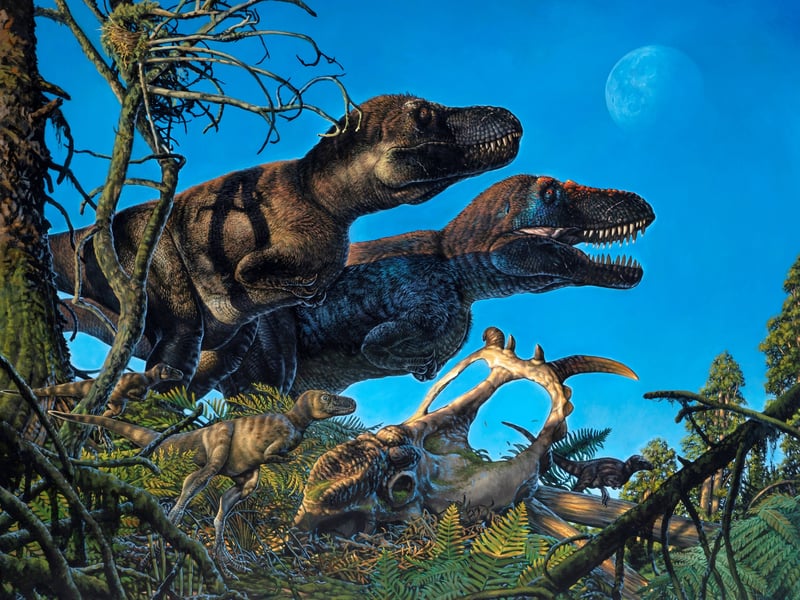
(CN) — Fossils uncovered in the course of a 30-year dig in northern Alaska belonged to dinosaurs so young, it’s likely they were born and raised in the upper latitudes, amid temperatures once assumed to be too extreme for the prehistoric species.
“It wasn’t that long ago that the idea of finding any dinosaurs in such extreme latitudes and environments was a surprise,” said study author Patrick Druckenmiller of the University of Alaska Museum of the North in a statement. “To then find out that most if not all of those species also reproduced in the Arctic is really remarkable. We have long been asked, ‘Have you found any eggs?’ To that we have, and still answer ’no.’”
He added: “But, we have something much better. The actual baby dinosaurs themselves.”
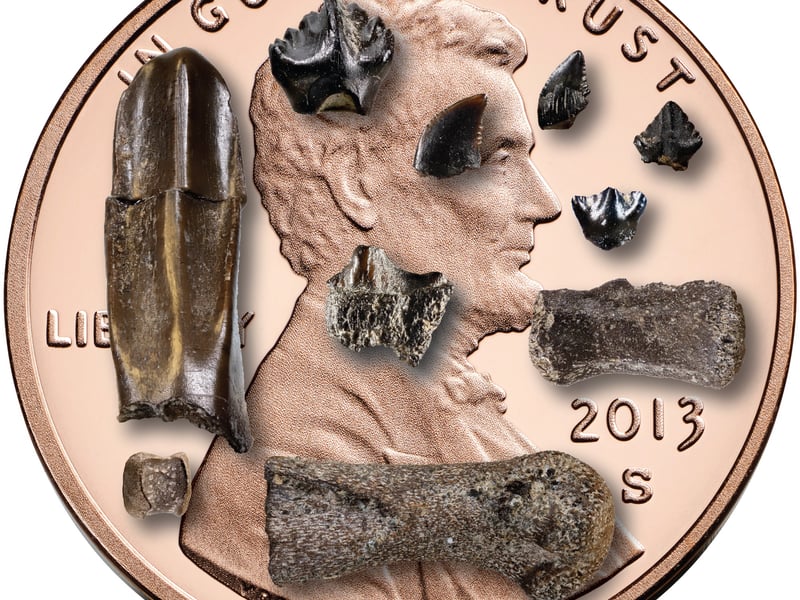
In addition to teeth, researchers identified bones as being from the head, limbs, and spine from very young dinosaurs. The research published in the journal Cell on Thursday details the diverse taxa found to have nested during the Cretaceous period in northern Alaska’s Prince Creek Formation.
During winter months, the spot would have plunged into four months of darkness. With temperatures averaging 40 degrees Fahrenheit, the dinosaurs would have seen freezing spells and occasional snow.
Researchers long debated whether dinosaurs migrated into region only during warm months, or whether they lived there year-round. The remains of very young dinosaurs provide evidence pointing toward the latter.
The Arctic’s limited daylight and warmth didn’t leave hatchlings very much time to develop the strength needed to migrate nearly 2,000 miles south.
Temperatures were only warm enough for eggs to survive seven months out of the year, and some eggs required six months of incubation or longer. Protoceratops andrewsi, which would grow to be nearly 6 1/2 feet long, needed at least 83 days to incubate eggs, while the larger Hypacrosaurus stebingeri, which would grow to be more than 29 1/2 feet long, sat nearly six months before hatching.
Over three decades, researchers have identified remains representing nearly 70% of known dinosaurs, including duck-billed, horned, small bipedal, and dome-headed dinosaurs, in addition to carnivorous tyrannosaurids, deinonychosaurs, and ornithomimosaurians.
“The high proportional representation of perinatal and young-of-the-year dinosaurs at the family level is an unexpected outcome of this study and establishes the Prince Creek Formation as a globally significant unit for investigating dinosaur reproduction,” the study authors wrote.
To survive the cold temperatures, smaller dinosaurs may have hibernated in burrows, while larger dinosaurs would have fasted and scoured the land for meager meals. Additionally, researchers postulate some Arctic dinosaurs may have developed endothermy which involves slowing down metabolic rates to conserve energy.
The Arctic remains subject to harsh temperatures, making it an extreme environment to work in.
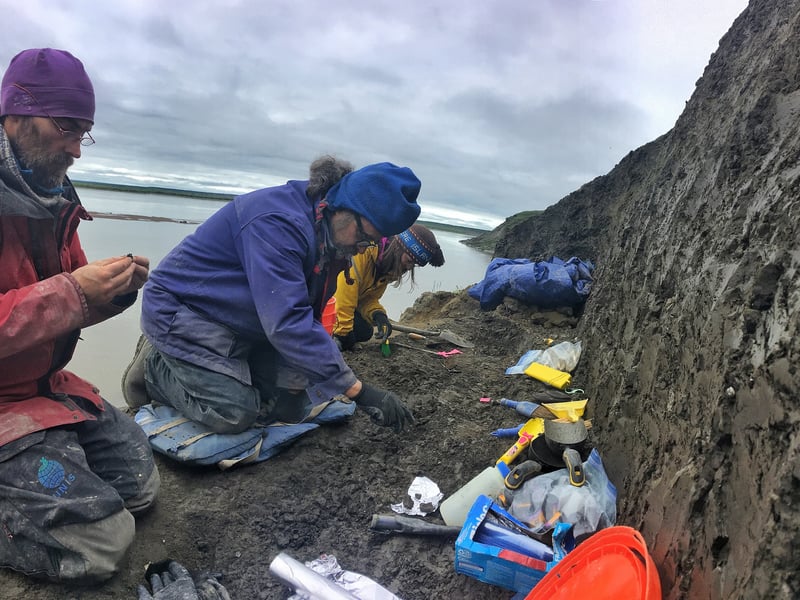
“The field season is short in the Arctic and access is very difficult — aircraft and small boats are required,” Druckenmiller said in the statement. “To make matters more challenging, the only way to see the rocks is in river-cut steep bluffs along the largest river in Northern Alaska, the Colville. These bluffs are dangerous, prone to catastrophic collapses, making it hard to safely find and extract fossils.”
Follow Amanda Pampuro on Twitter
 Follow @bright_lamp
Subscribe to our free newsletters
Our weekly newsletter Closing Arguments offers the latest about ongoing trials, major litigation and rulings in courthouses around the U.S. and the world, while the monthly Under the Lights dishes the legal dirt from Hollywood, sports, Big Tech and the arts.