Search Articles


SACRAMENTO, Calif. (CN) — A federal judge on Thursday dismissed a suit against California over a woman’s death during a conjugal visit, saying her children failed to overcome the government’s qualified immunity.
However, U.S. District Judge Daniel Calabretta opted to take a similar suit under submission and made no decision that day.
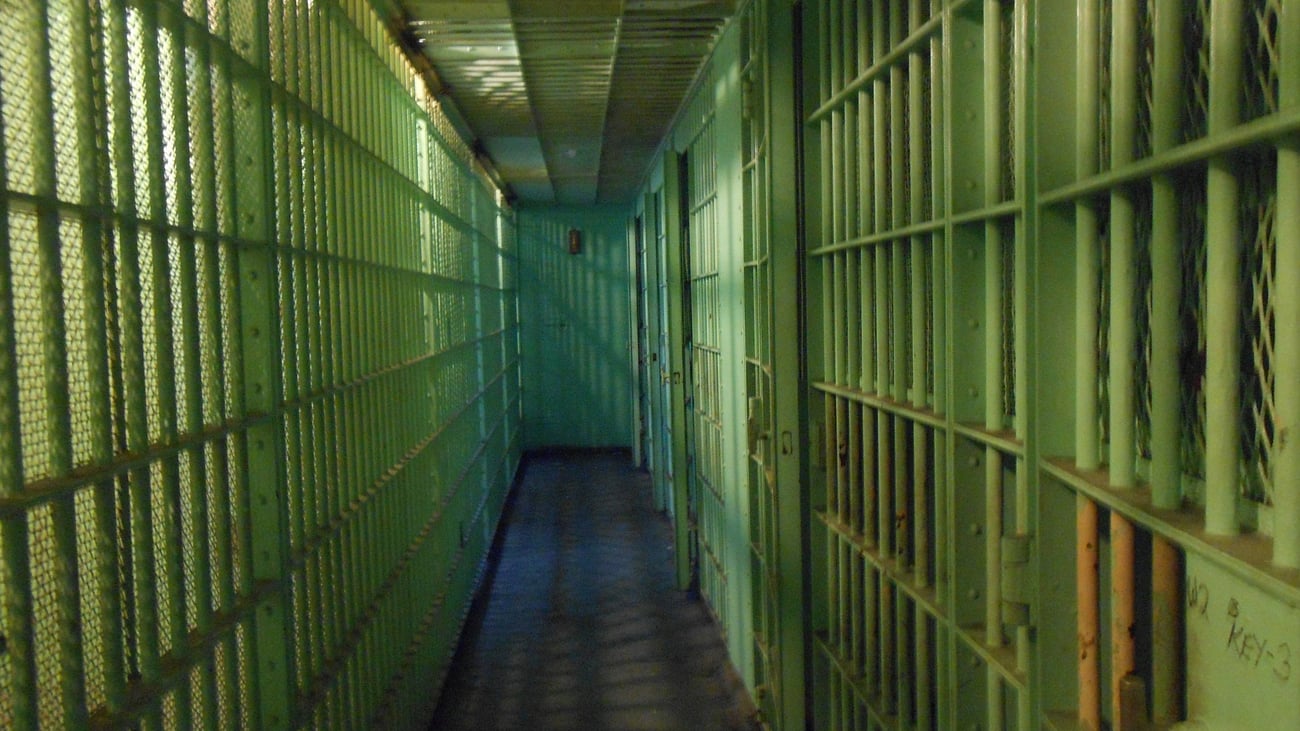
The accusations in the two lawsuits stem from deaths at Mule Creek State Prison in Ione, California, during family, or conjugal, visits.
Tania Vanessa Corpus Thomas died July 1, 2024, while visiting Anthony Desean Curry. Her body had injuries consistent with strangulation.
Stephanie Brinson died Nov. 13, 2024, during a visit with David Brinson.
Calabretta dismissed the suit involving Brinson from the bench, though the plaintiffs can amend their complaint.
“I’m resolving this on qualified immunity,” the judge said. “I’m not resolving this on the merits.”
Qualified immunity protects government officials from civil liability, unless a plaintiff can specify a legal exception. Calabretta said there are two: special relationship and state-created danger, neither of which applied in this suit.
Stephanie Brinson wasn’t in custody against her will, meaning the government had no responsibility over her safety. No special relationship existed. Also, the government performed no act that created a danger to her or acted with deliberate indifference, Calabretta said.
Representing the plaintiffs in both cases, attorney Jon Neuleib argued the state knew a problem existed, as Thomas died at the same prison months before. Also, David Brinson was serving a life sentence with no chance of parole for the murder of four men during a robbery.
“This is not a surprise,” Neuleib said. “It is credibly foreseeable.”
Calabretta said the circumstances between the two cases differed. Brinson had an incident of violence in the past. Additionally, a prison death had occurred before. The judge didn’t see how Neuleib could show the state was deliberately indifferent, meaning he couldn’t show an exception to qualified immunity.
The Curry case is different.
Thomas’ only child has argued Curry had faced a parole suitability hearing and was denied parole. Prison employees knew about that denial as they reviewed his suitability for family visits at the prison. They also knew about prior domestic violence accusations against him, the reason for his incarceration and a doctor’s finding that he had a “high moderate risk” of violence to the public.
Curry was serving 34 years to life with the chance of parole on convictions of attempted murder and other charges.
Arguing for the state, Deputy Attorney General Parry Black argued Curry was eligible for the family visits. She said that situation differed from a 1992 Ninth Circuit case referenced by Calabretta, L.W. v. Grubbs. In that case, the appeals court held that state employees could be liable for the rape of a nurse who worked alone in a prison with a violent sex offender.
The judge questioned how Grubbs differed from Curry.
Black said Thomas applied for a conjugal visit and voluntarily went to the prison.
“Why does that matter for the state-created danger doctrine?” the judge asked. “I’m not sure it matters whether she went to the visit.”
Black countered that the plaintiff made no allegation in the complaint about a prison employee having information about Curry and then knowingly exposing her to an obvious danger.
“But you’ve got to look at it in the context that this is a prison,” Black added, noting that other inmates also receive these kinds of visits. Additionally, only a small minority of inmates are ineligible for them.
Calabretta said that argument worked well in the Brinson case, as only his criminal background was a concern. However, in the Curry case, much more information existed about him.
“They certainly could have denied the visit, right?” Calabretta asked.
Subscribe to our free newsletters
Our weekly newsletter Closing Arguments offers the latest about ongoing trials, major litigation and rulings in courthouses around the U.S. and the world, while the monthly Under the Lights dishes the legal dirt from Hollywood, sports, Big Tech and the arts.