Search Articles


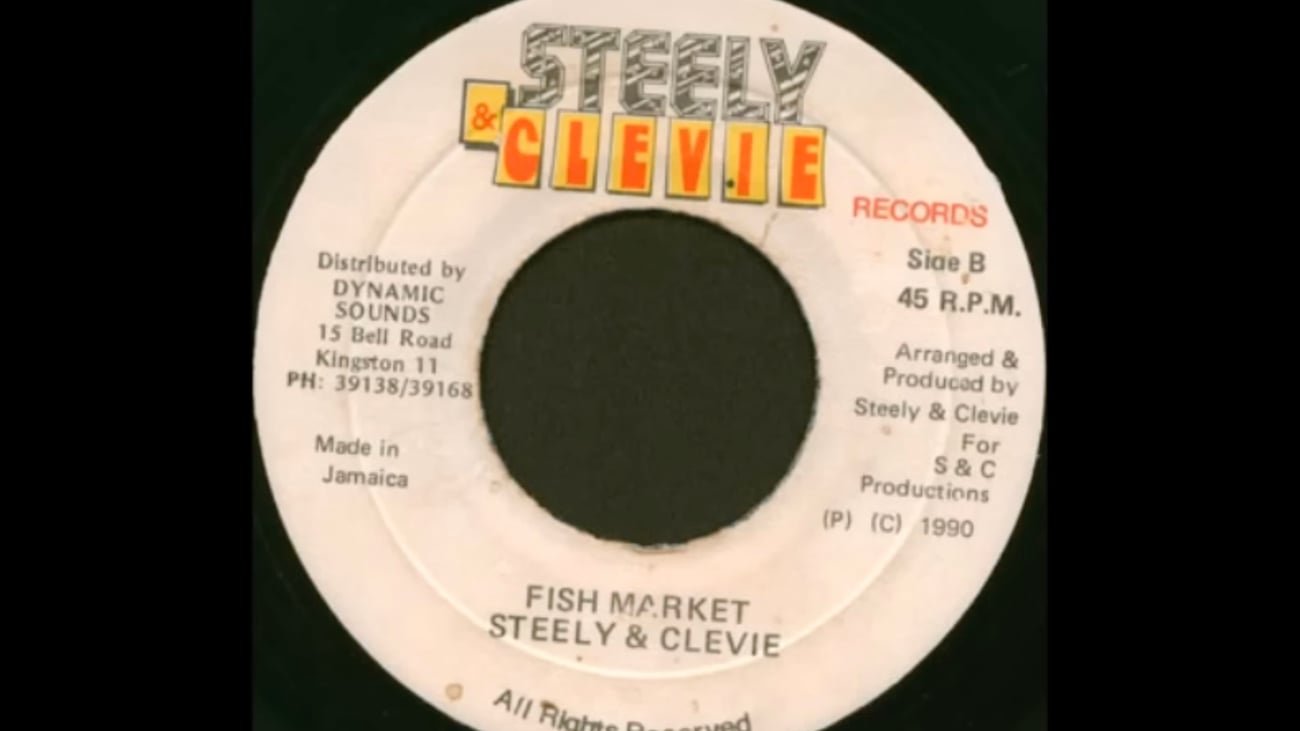
LOS ANGELES (CN) — A who’s who of reggaeton artists, including megastars Bad Bunny and J Balvin, lost their bid to defeat a copyright infringement lawsuit by a pair of Jamaican producers who claim that the entire musical genre is based on unauthorized use of an instrumental track they recorded in 1989.
U.S. District Judge André Birotte Jr. denied motions for summary judgment by dozens of musicians and their record label as well as the cross-motion by producer Cleveland Browne and the estate of the late Wycliffe Johnson.
The reggaeton artists argued that the percussion arrangement of “Fish Market,” created by the producers — professionally known as Steely and Clevie — wasn’t originally enough to merit protection under U.S. copyright law.
“The record presents genuine disputes of material fact regarding the identification, characterization, and protectability of the Fish Market elements, precluding summary judgment in either side’s favor,” Birotte wrote in the Wednesday ruling. “These disputes go directly to the core questions of originality and protectability that define this phase of the case. Critically, they are driven almost entirely by competing expert analyses.”
The judge, a Barack Obama appointee, had already indicated at a December hearing on the motions that the question of originality turned on dueling opinions of each sides’ experts and that he was unlikely to resolve the issue as a matter of law.
Consequently, a jury may have to decide whether the Jamaican producers’ drum pattern — including kick, snare, hi-hat and tom elements — is sufficiently original to support claims that thousands of reggaeton songs unlawfully copied it.
“We appreciate the court’s thorough analysis of the issues, which were complex and varied, and look forward to achieving justice when we try this case to a jury,” Scott Burroughs, an attorney for Browne and Johnson’s estate, said in response to the ruling.
The infringement claims are complicated by the track’s later history.
“Fish Market” was first recorded as a B-side to Gregory Peck’s “Poco Man Jam,” then licensed to dancehall artist Shabba Ranks, who used it in his 1990 hit “Dem Bow,” giving rise to what became known as the “dembow riddim” or “dembow rhythm” moniker.
Next, “Dennis the Menace” Halliburton incorporated the rhythm into his “Pounder Riddim" recording. The plaintiffs say a later version, “Pounder Dub Mix II,” was then sampled or copied “mathematically” by numerous reggaeton artists in recent years.
Benjamin Akley, who represents many of the artists and record labels, argued at a 2025 hearing the producers’ original percussion arrangement does not appear in any single work.
Instead, he argued, the plaintiffs stitched together elements from multiple tracks to claim ownership of a protectable composition.
Ken Freundlich, who represents Bad Bunny, accused the producers of “shapeshifting,” saying they were trying to assemble a Frankenstein-like work from pieces of different recordings, leaving the defendants unclear about what, if anything, they are accused of infringing.
“We have thousands of songs in this case and we still don’t know what we’re comparing them to,” Freundlich told the judge. “That’s the cardinal sin of this case — we don’t know what we’re infringing.”
Stephen Doniger, who represents Browne and Johnson’s estate, argued at the December hearing that defense experts had failed to identify any earlier work containing the same combination of drum, percussion and bass elements found in “Fish Market.”
“What is clear in this case is that there’s nothing out there in the world that shows that they copied” the percussion arrangement, Doniger told the judge.
Attorneys for the defendants didn’t immediately respond to requests for comment on the ruling.
 Follow @edpettersson
Subscribe to our free newsletters
Our weekly newsletter Closing Arguments offers the latest about ongoing trials, major litigation and rulings in courthouses around the U.S. and the world, while the monthly Under the Lights dishes the legal dirt from Hollywood, sports, Big Tech and the arts.
Additional Reads


 Thousands flee new wave of European wildfires July 6, 2026