
 Search Articles


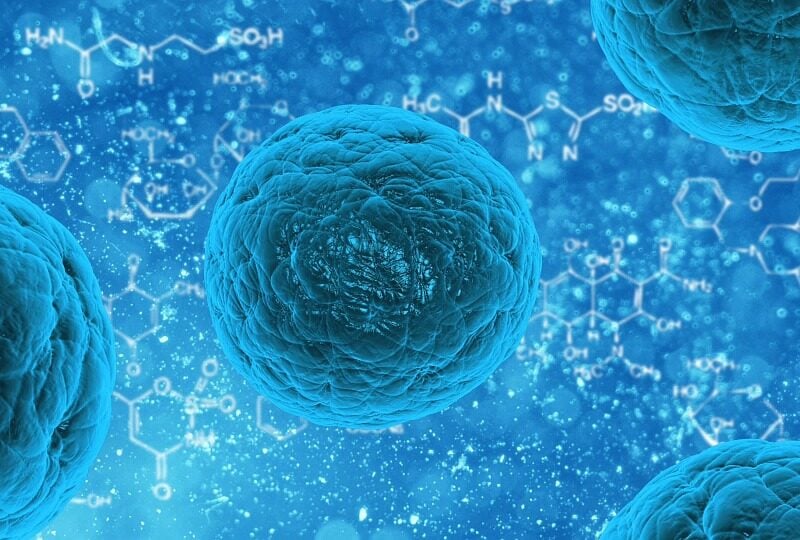
(CN) — A new technique to reprogram sterile adult human cells in order to mimic embryonic stem cells may have wide implications for regenerative medicine, according toa study published Wednesday in the journal Nature. The technique improves upon an earlier method of repurposing so-called “somatic” cells in adult humans — like skin and blood cells— which do not naturally reproduce.
In the mid-2000s, which was early in the era of human stem cell testing, researchers conceived a method to artificially reprogram somatic cells into what are known as induced pluripotent stem (iPS) cells. Those cells can then be manipulated “into becoming beta islet cells to treat diabetes, blood cells to create new blood free of cancer cells for a leukemia patient, or neurons to treat neurological disorders,” according to the UCLA Broad Stem Cell Research Center.
There, the technology has allowed researchers to reprogram somatic cells “into active motor neurons, egg and sperm precursors, liver cells, bone precursors, and blood cells.” Elsewhere, the technology found applications in disease modeling, drug screening and cell-based therapies.
But iPS technology also exhibited limitations, as the cells created with the technique don’t fully forget their origin story. Threads of residual memory from their original state can create certain functionality issues and epigenetic abnormalities.
While the mechanisms behind such aberrations are unknown, a team of scientists led by Professor Ryan Lister from the Harry Perkins Institute of Medical Research and The University of Western Australia and Professor Jose M. Polo from Monash University and the University of Adelaide seized on the deficiencies to create a new method of reprogramming somatic cells.
Their process, known as transient-naive-treatment (TNT) reprogramming, “mimics the reset of a cell’s epigenome that happens in very early embryonic development.” Essentially, the process reconfigures the domains of repressive chromatin to an embryonic stem cell-like state, which does not disrupt genomic imprinting.
The discovery came after the team observed how the somatic cell epigenome changed throughout the reprogramming process, according to Sam Buckberry, a computational scientist from the Harry Perkins Institute of Medical Research. Next, they pinpointed when epigenetic aberrations emerged, and introduced a new epigenome reset step to avoid them and erase the memory.
In a statement, Polo said the process “significantly reduces the differences between iPS cells and embryonic stem cells and maximizes the effectiveness of how human iPS cells can be applied.”
Lister said transient-naive-treatment reprogramming may “establish a new benchmark for cell therapies and biomedical research, and substantially advance their progress.”
The collaborative research project also included researchers from the Australian National University, Westlake University, Queen Mary University of London, Mater Research Institute, University of Queensland, Queensland Brain Institute, South Australian Health & Medical Research Institute, Duke-NUS Medical School and the Commonwealth Scientific and Industrial Research Organisation.
“We foresee TNT reprogramming becoming a new standard for biomedical and therapeutic applications and providing a novel system for studying epigenetic memory,” the authors said in the study.
They also concluded the programming “is a practical and scalable approach” to overcome the memory characteristics of iPS cells, “which is important for the clinical delivery of this technology.”
“We view this as a powerful model system for studying epigenetic memory and the mechanisms maintaining cell-of-origin heterochromatin.”
 Follow @gabetynes
Subscribe to our free newsletters
Our weekly newsletter Closing Arguments offers the latest about ongoing trials, major litigation and rulings in courthouses around the U.S. and the world, while the monthly Under the Lights dishes the legal dirt from Hollywood, sports, Big Tech and the arts.