Search Articles


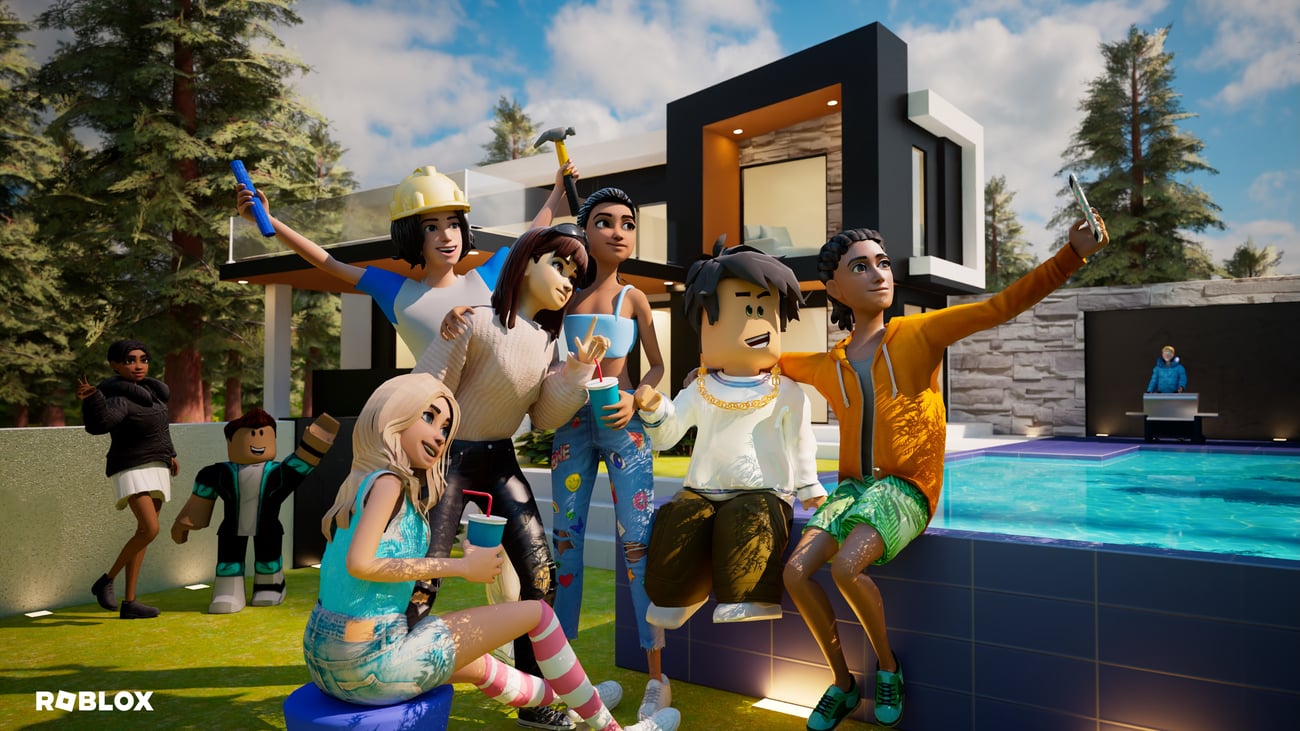
LOS ANGELES (CN) — Gaming giant Roblox argued on Tuesday that it is protected from Los Angeles County’s public nuisance lawsuit claiming the site is a playground for sexual predators by a federal statute that shields websites from liability for the content third parties post on them.
LA County Superior Court Judge Dean Kitchens didn’t indicate how he was leaning on the threshold issue whether the county’s claims can survive Section 230 of Communications Decency Act.
The judge said he’ll issue a tentative ruling and ask both sides to come back for a further hearing on Roblox’s demurrer.
“You’ve given me a lot to work with,” the judge told the parties at the end of the hearing in downtown LA.
The county sued Roblox in February, claiming that the online game platform used by millions of young children around the world, fails to protect those children from predatory behavior. While Roblox markets itself as a safe digital space for creativity, the county argues, it is in reality an unsafe online environment that has become a breeding ground for predators.
Similar lawsuits have been filed in recent years in Texas, Florida and Iowa.
The hearing before Kitchens mostly revolved around the judge’s concerns to what extent the county’s claims are based on Roblox’s role as a publisher of other people’s content, which runs into Section 230 protection, or on other activities by the company that don’t pertain to publishing.
Alexandra Walsh, an attorney representing LA County, said the claims focuses on Roblox’s failure to verify the ages of users who create an account on the site, which opens the doors to adults creating accounts while pretending to be younger than they are in order to befriend and groom children.
In addition, Walsh said, Roblox doesn’t check the names and birthdates of users against registers of sex offenders in order to weed out individuals who pose a threat to children using the platforms.
“All we are asking is for Roblox to make sure that users are the age they say they are,” Walsh told the judge. “We’re not saying that Roblox failed to block third-party content.”
The attorney also cited statements from Roblox Chief Safety Officer Matt Kaufman claiming that the platform is “one of the safest online environments for our users, particularly the youngest users.”
That, Walsh said, was not just so-called puffery that can’t be the basis for legal liability but a false statement fact that should be adjudicated by a jury.
However, Roblox’s attorney Andrew Pincus, insisted that both California appellate courts and the Ninth Circuit have repeatedly barred similar claims against other websites under Section 230.
“All the allegations in the complaint are precluded by Section 230 because they pertain to publishing,” Pincus told the judge.
In its demurrer, Roblox concedes that, since individuals of all ages can play on its platform, some content on it is mature and that not all of its users are well-intentioned.
And while the county claims that Roblox has created a public nuisance by hosting games with “simulated sexual activity," the company argues that it is undisputed that Roblox didn’t create those games.
“Because publication involves reviewing, editing, and deciding whether to publish or to withdraw from publication third-party content, Roblox’s decisions whether and where to host any third-party-created game is core to Roblox’s publisher role, making it fully covered by Section 230 immunity,” the company maintains.
Walsh nevertheless insisted that county’s claims that parents are misled by by Roblox’s public statements that it’s a safe digital playground for their children survive Section 230 scrutiny.
 Follow @edpettersson
Subscribe to our free newsletters
Our weekly newsletter Closing Arguments offers the latest about ongoing trials, major litigation and rulings in courthouses around the U.S. and the world, while the monthly Under the Lights dishes the legal dirt from Hollywood, sports, Big Tech and the arts.