
 Search Articles


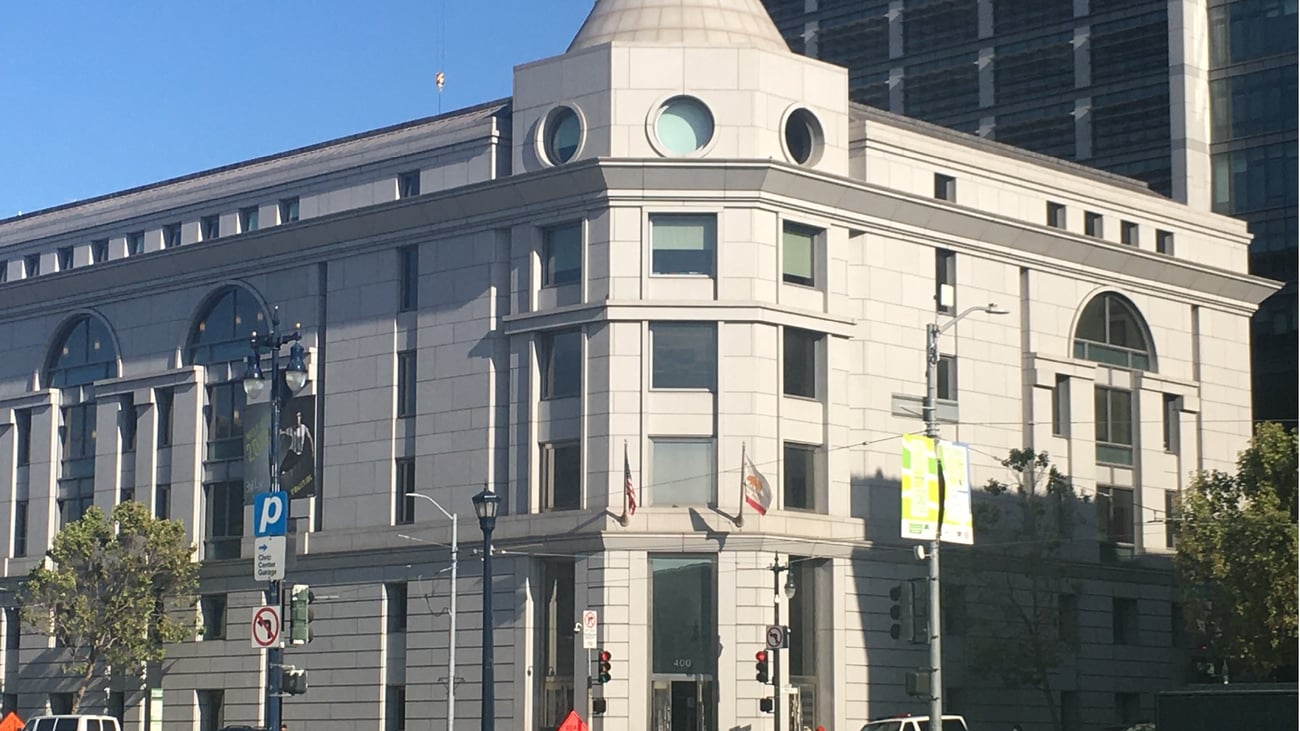
SAN FRANCISCO (CN) — A California state judge has thrown cold water on a taxpayer lawsuit opposing a reparations plan in San Francisco.
In a hearing Friday, San Francisco Superior Court Judge Joseph Quinn said the city’s plans to offer reparations did not appear to be unlawful and were not ripe for review. He sustained a demurrer against a suit brought by the Californians for Equal Rights Foundation but allowed the nonprofit and two members leave to amend.
The nonpartisan nonprofit promotes what it calls “equal rights and merit.” On its website, the group warns that “woke culture is destroying America.”
The group sued the governmental San Francisco Human Rights Commission in February, arguing the city’s reparations plan is unconstitutional because it allocates government benefits based on race and ancestry.
“Both the United States and California Constitutions forbid this,” the nonprofit says in its compliant. “Government may not allocate benefits, opportunities or burdens according to race or lineage.”
The plaintiffs also took issue with the city’s human rights commission administering the program, calling it a “misuse of government power.”
“This is a taxpayer standing challenge at the pleading stage against an ordinance that assigns a public agency, a taxpayer-funded agency, with the responsibility of administering a fund for an unlawful purpose,” Andrew Quinio, an attorney with the conservative Pacific Legal Foundation who is representing the plaintiffs, told the court.
Quinn took issue with the claim that reparations would be distributed unconstitutionally or unlawfully.
“How do you know that?” he asked.
He noted the plan currently has a large menu of options, including some that are race-neutral, such as “providing technology to all San Francisco Unified School District students." Where the funds will end up is still unknown, he said.
Besides, the plan doesn’t currently have any funds to allocate, Quinn noted. But Quinio was adamant that a constitutional line had already been crossed, arguing the city ordinance to establish reparations was “specifically to compensate a specific category” of person.
Quinn and Quinio had a rousing back-and forth about taxpayer standing and other issues. Quinn asked whether “a possibility that something race-conscious is going to happen” was enough to bring a claim. Quinio said yes, it was sufficient.
“No, it’s not," Quinn shot back. “There’s no authority for that.” He noted that if that were true, “then we would have thousands of taxpayer actions, challenging all kinds of laws that citizens disagree with because something might happen under that law.”
Quinio argued that a race-neutral policy in the reparations pan could act as a “poison pill” to defeat taxpayer standing. But Quinn noted the plan had more than one race-neutral option and said that to adequately challenge it, the plaintiffs would need to show how the ordinance was unlawful in every application it could potentially have.
San Francisco established the African American Reparations Advisory Committee in 2020.
In July 2023, the committee published the San Francisco Reparations Plan, which comprised recommendations on how to address the historical harms faced by Black San Franciscans due to the legacy of enslavement. Recommendations included issuing a formal apology for past harms, committing to investments in the Black community and creating an independent Office of Reparations to track implementation of the reparations plan.
The city’s Board of Supervisors voted to accept the plan in October of the same year. Two years later, in December 2025, they unanimously voted to establish the San Francisco Reparations Fund, the next step in implementing one of the commission’s core recommendations.
“The passage of this ordinance moves San Francisco from apology to action," District 10 Supervisor Shamann Walton said in a statement after the ordinance was passed. “For years, Black San Franciscans have been clear that recognition without resources is not enough.”
San Francisco Mayor Daniel Lurie signed the ordinance into law on Dec. 23.
John George, a lawyer with the city’s attorneys office who is representing San Francisco Human Rights Commission and other defendants, voiced support for Friday’s outcome.
“We think it gets its precisely right, as the court noted, this case is not ripe for adjudication at this stage," he said.
Subscribe to our free newsletters
Our weekly newsletter Closing Arguments offers the latest about ongoing trials, major litigation and rulings in courthouses around the U.S. and the world, while the monthly Under the Lights dishes the legal dirt from Hollywood, sports, Big Tech and the arts.
Additional Reads


 Balkan integration in the spotlight at EU summit June 5, 2026