Search Articles


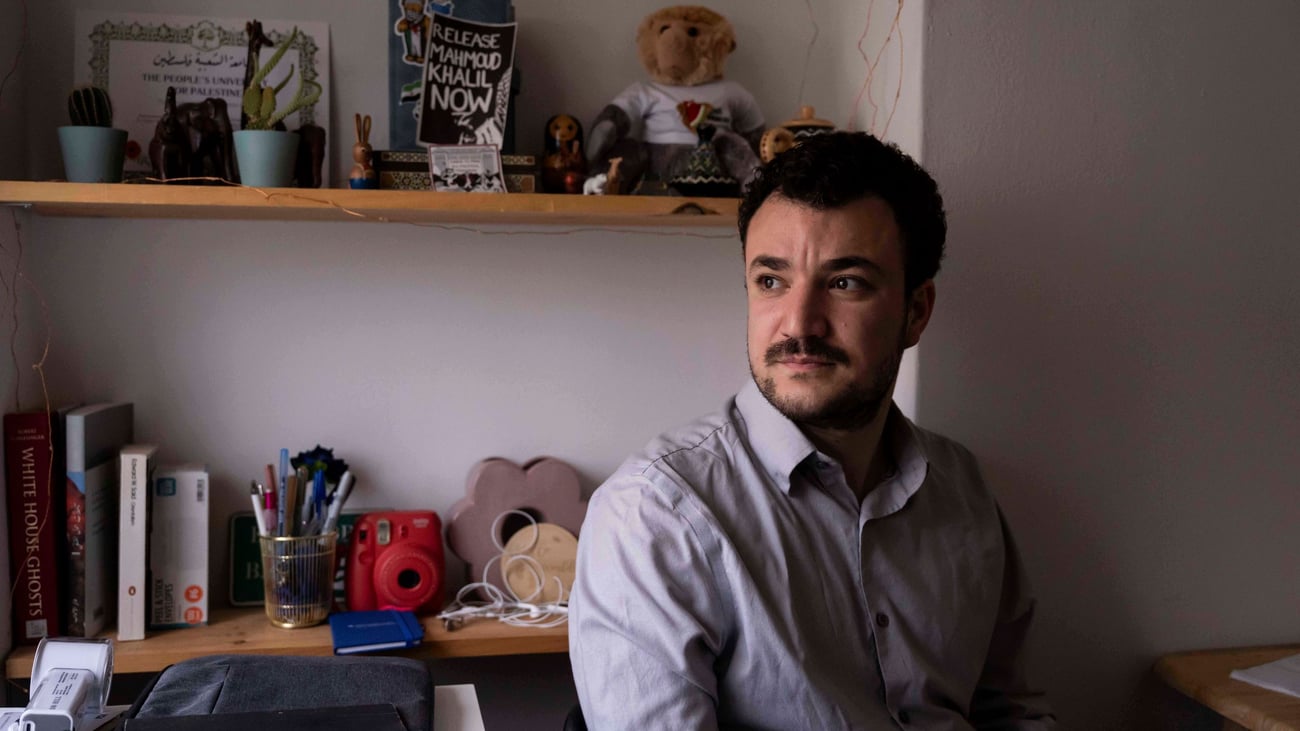
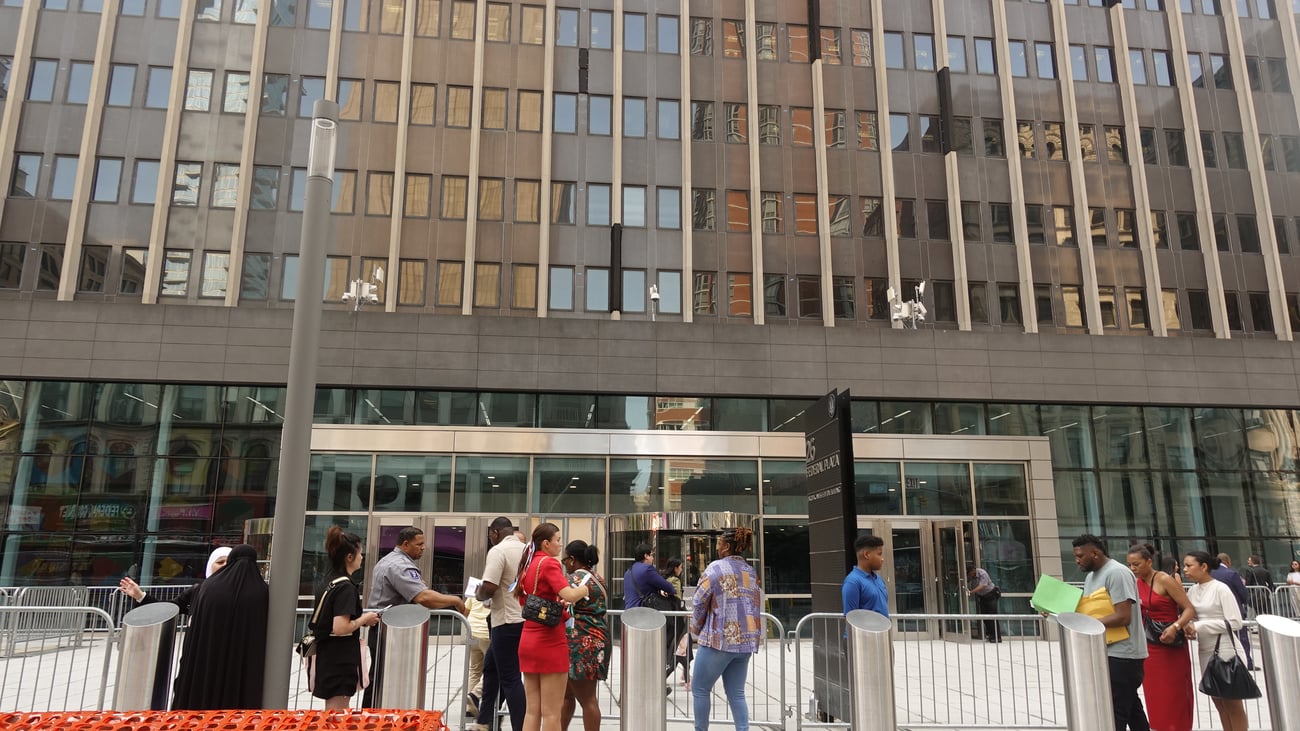
MANHATTAN (CN) — A panel of Second Circuit judges found Tuesday that pro-Palestinian activist and Columbia University graduate student Mohsen Mahdawi should not have been released from Immigration and Customs Enforcement custody in 2025.
In a 41-page ruling, the three-judge panel found Mahdawi was wrongly released on the grounds that his detention — and attempted deportation — likely violated his First Amendment rights.
Mahdawi, 35, is one of several college students who has been targeted for removal by the Trump administration over their pro-Palestinian advocacy. He was detained by ICE for two weeks last year until U.S. District Judge Geoffrey Crawford, a Barack Obama appointee in the District of Vermont, ordered him released on a habeas petition. The judge found Mahdawi, a legal permanent resident, had the same First Amendment rights as citizens.
But that wasn’t Crawford’s decision to make, according to the Second Circuit.
“The district court granted his motion for release pending review of this habeas petition on the basis that Mahdawi would likely succeed in showing that the government unlawfully targeted him based on First Amendment protected activity,” U.S. Circuit Judge Debra Livingston, a George W. Bush appointee, wrote for the panel. “We conclude that the district court should not have reached this question because it did not have subject matter jurisdiction over the habeas petition.”
U.S. Circuit Judges Steven Menashi and William Nardini, both Donald Trump appointees, joined the opinion.
The panel ultimately found Mahdawi wasn’t just challenging his detention in his habeas petition, but his removal, too, on the back of the First Amendment. And whether the basis of a removal bid is lawful isn’t a question for a federal district court — it’s one for an immigration court.
“Mahdawi’s habeas petition alleges that he was targeted for removal — not just detention — based on First Amendment protected activity,” Livingston wrote. “Mahdawi’s arguments against detention are thus ‘identical to his arguments against removal.’”
Specifically, Mahdawi claimed Secretary of State Marco Rubio’s determination that his speech was a foreign policy threat was an unconstitutional reason to detain and remove him. The panel made no ruling on this issue, only that Crawford was wrong to opine on it. They vacated his ruling and ordered that he dismiss Mahdawi’s habeas petition.
In a statement Tuesday, Mahdawi’s counsel called the panel’s ruling “as absurd as it is dangerous.”
“The government is claiming the unprecedented power to detain people for months or even years on end to censor their speech, with no ability to challenge their detention in court,” said Michael Tan, deputy director of the ACLU’s Immigrants’ Rights Project, who argued in front of the panel on behalf of Mahdawi last September. “We will continue to fight for our client and for his right to prompt judicial review.”
Mahdawi called the ruling “a grave setback, although I am confident justice will ultimately prevail.”
“It reflects a dangerous failure under political pressure, one that risks turning the federal courts into instruments of politics rather than guardians of constitutional freedom,” Mahdawi said in a statement. “By weakening the First Amendment and creating different tiers of rights for citizens and non-citizens, this ruling hands the government a dangerous power: the power to intimidate, censor, and punish dissent without meaningful restraint.”
It’s a similar fate to that of fellow pro-Palestinian Columbia student Mahmoud Khalil, who was detained for more than 100 days over his critiques of Israel, based on the same determination from Rubio. In his case, the Third Circuit Court of Appeals similarly found that Khalil’s detention and attempted removal was unlawfully blocked by a lower court judge.
Khalil is continuing to fight his removal. He’s filed two lawsuits in the past week against the Trump administration over his detention.
Mahdawi appeared to be in the clear earlier this year after an immigration judge terminated his removal proceedings in February. Immigration Judge Nina Flores found the Department of Homeland Security “had not met its burden of proving removability.”
However, her ruling was overturned in June by the Board of Immigration Appeals, reviving the government’s bid to deport him. Mahdawi said at the time that the administration “is abusing immigration law to silence me for speaking the truth about Palestinian suffering and genocide.”
A third-generation Palestinian refugee, Mahdawi lived in a West Bank refugee camp until 2014. He has spoken about seeing his childhood best friend, fatally shot by an Israeli soldier and claimed that he, too, had been shot in the leg by an Israeli soldier when he was 15 years old.
As a Columbia student, he helped organize the highly publicized protests of Israel’s ongoing bombing campaign in Gaza, putting him on the Trump administration’s radar.
 Follow @Uebey
 Follow @uebey.bsky.social
Subscribe to our free newsletters
Our weekly newsletter Closing Arguments offers the latest about ongoing trials, major litigation and rulings in courthouses around the U.S. and the world, while the monthly Under the Lights dishes the legal dirt from Hollywood, sports, Big Tech and the arts.