
 Search Articles


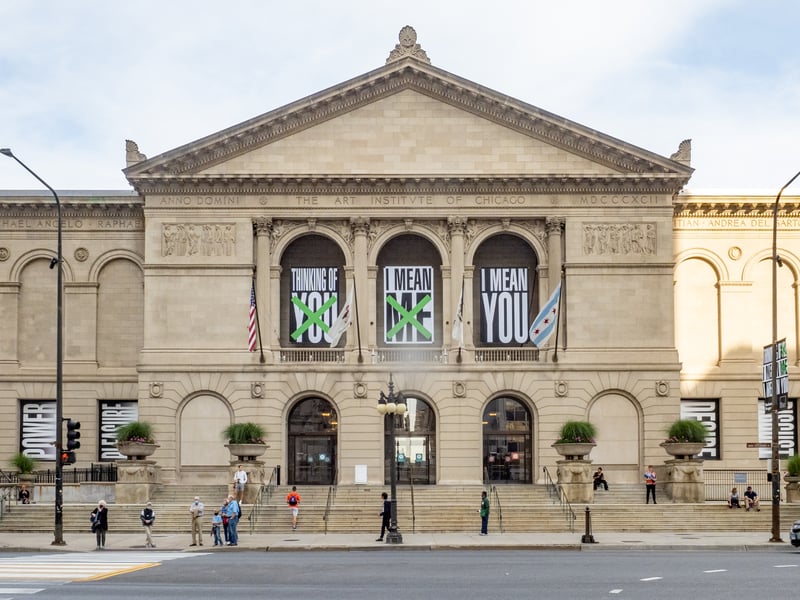
MANHATTAN (CN) — A Second Circuit panel on Tuesday reversed a lower court’s decision to dismiss a lawsuit from heirs of an Austrian Jewish performer, in which they claim The Art Institute of Chicago stole a World War II-era drawing by Egon Schiele that rightfully belongs to them.
Fritz Grünbaum’s heirs say the piece, titled “Russian Prisoner of War,” was stolen from his home when he was kidnapped in Vienna before being imprisoned and murdered at the Dachau concentration camp. According to the heirs, the museum failed to properly trace the artwork’s origins — which would have required the piece to be returned to his family.
The museum, in contrast, maintains the artwork wasn’t “looted by the Nazis” and was instead purchased from Grünbaum’s sister-in-law. A lower court previously dismissed the complaint, finding the heirs were barred by the three-year statute of limitations because the piece was acquired by the museum in 1966.
U.S. District Judge John Koeltl also denied the heirs’ motion to file a second amended complaint, which would have altered the date the statute of limitations would go into effect.
But the panel agreed with the heirs that the Holocaust Expropriated Art Recovery Act of 2016, signed into law by former President Barack Obama, could revive the statute of limitations in this case and that the court should have allowed them to file an amended complaint to address those issues.
“The second amended complaint plausibly alleges that the HEAR Act saves plaintiffs’ claims, and while further factual development may or may not support that allegation, the question is not beyond doubt,” the panel said in its decision.
The panel also disagreed with Koeltl’s decision to dismiss the heirs’ complaint based on a previous decision in which a separate individual was deemed the rightful owner of a different Egon Schiele drawing once owned by Grünbaum.
In the 2012 case, a Second Circuit panel found the drawing rightfully belonged to David Bakalar, who purchased the piece in 1963 at a New York gallery, despite the Grünbaum heirs’ claims they were the rightful owners.
According to Tuesday’s panel, the lower court should not have dismissed the complaint based on the Bakalar decision despite the artworks coming from the same collection.
Bakalar acquired the drawing “in good faith” at the art gallery, the panel said, while the heirs claim the Art Institute was on notice that the artwork might have been stolen.
“These differences between the Art Institute of Chicago and Bakalar bear directly on the prejudice each defendant faced as a result of the delay in pursuing relief,” the panel said.
The panel remanded the case back to the lower court for further proceedings.
Raymond Dowd, an attorney with Dunnington Bartholow representing the heirs, said they’re very pleased with the panel’s decision.
“This is an important interpretation of the HEAR Act, and it’s the first of its kind to focus on the issue of museum due diligence in acquiring Nazi-era artworks,” Dowd said.
U.S. Circuit Judge Guido Calabresi, a Bill Clinton appointee; U.S. Circuit Judge Sarah A.L. Merriam, a Joe Biden appointee; and U.S. District Judge Jed S. Rakoff, also a Clinton appointee sitting by designation, all participated in the panel’s decision.
 Follow @NikaSchoonover
Subscribe to our free newsletters
Our weekly newsletter Closing Arguments offers the latest about ongoing trials, major litigation and rulings in courthouses around the U.S. and the world, while the monthly Under the Lights dishes the legal dirt from Hollywood, sports, Big Tech and the arts.