
 Search Articles


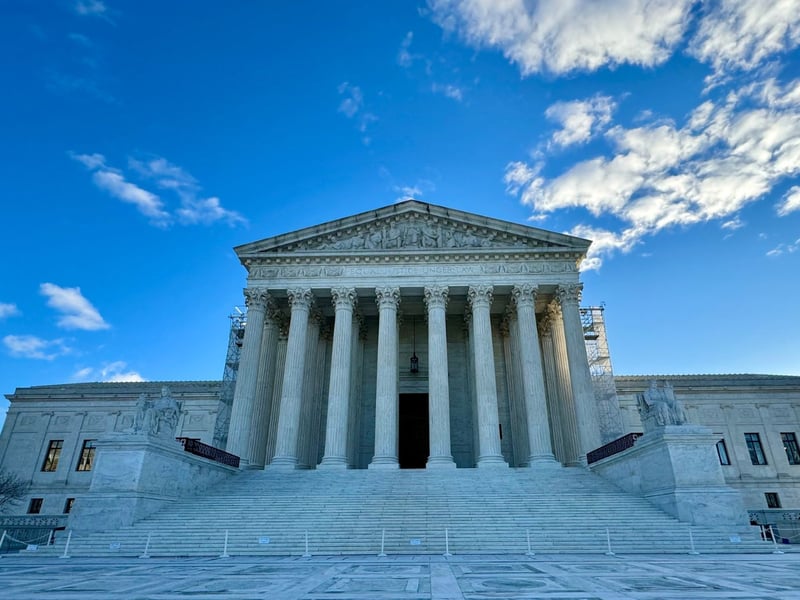
WASHINGTON (CN) — Lawmakers on Thursday again unveiled a pair of bipartisan bills — one that would give federal judges permission to allow cameras in their courtrooms and another that would require the Supreme Court to open up certain proceedings to television crews.
Cameras and video recording have long been strictly prohibited in federal courts. Democrats and Republicans say their proposed legislation will shine a much-needed light on the justice system and increase the public’s confidence in the judiciary at every level.
Iowa Senator Chuck Grassley, chair of the upper chamber’s Judiciary Committee, is leading the charge on the two measures reintroduced Thursday. He’s working alongside a group of Democrats including Illinois Senator Dick Durbin and Minnesota Senator Amy Klobuchar.
“The judicial branch has a massive impact on our daily lives and the lives of generations to come, yet few Americans get the chance to see our nation’s courts in action,” Grassley said in a statement. “Allowing cameras access to the federal and Supreme Courts would boost transparency and help Americans grow in confidence and understanding of the judiciary.”
Among the bills lawmakers have revived this week is the Sunshine in the Courtroom Act. The measure would allow judges in U.S. district and appellate courts to permit photography, recording and broadcasting at their discretion.
The proposed camera rules come with some exceptions. At the appellate level, a judge could refuse to allow video or photography during proceedings in which they determine it would violate the due process rights of any of the parties involved. In cases where a panel of judges are presiding, those restrictions could be placed via majority vote.
The legislation gives U.S. district judges similar bandwidth — but requires the trial courts to let witnesses choose to obscure their face or voice on broadcast. The bill would also ban media coverage of jurors.
Under the proposal the U.S. Judicial Conference would develop mandatory guidelines for judges to follow when deciding whether to obscure certain “vulnerable witnesses” on video, such as victims of crime, minors, cooperating witnesses or undercover law enforcement officers.
Grassley has for decades championed efforts to bring cameras into federal courtrooms, sponsoring similar legislation on the subject as far back as 2005. The Iowa senator last introduced his Sunshine in the Courtroom Act in 2023, but it never saw a vote on the Judiciary Committee.
Meanwhile, the bipartisan group of lawmakers on Thursday also reintroduced the Cameras in the Courtroom Act, a measure sponsored by Durbin which would require the Supreme Court to allow television cameras in all open sessions.
“It’s time to put cameras in the Supreme Court so Americans can finally see arguments and decisions in cases that will affect them for generations to come,” the Senate minority whip said in a statement. “This bipartisan bill shines a light into the judicial branch of government so more than just a few hundred lucky Americans can watch proceedings in the Court’s historic halls.”
Much like its partner bill, the proposed Cameras in the Courtroom Act would allow the justices to block television coverage of its proceedings if it decided by majority vote that allowing cameras in its open session would violate due process rights.
Lawmakers last introduced the measure in 2023. But, like Grassley’s measure, it never saw a vote on the Judiciary Committee. Previous versions have advanced to the Senate floor but none have cleared the upper chamber.
Allowing television coverage of Supreme Court proceedings is broadly popular among Americans. A 2022 poll conducted by C-SPAN and Pierrepoint found that 65% of likely voters support TV broadcasting at the court — and 70% of respondents said that such accommodations would improve public trust.
The Supreme Court has streamed live audio of oral arguments since the Covid-19 pandemic. The justices, though, have been reticent to support televising arguments, reasoning that it would incentivize lawyers to pursue soundbites. They’ve also worried that the added pressure of having their comments taken out of context would make the justices self-censor during questioning.
 Follow @BenjaminSWeiss
Subscribe to our free newsletters
Our weekly newsletter Closing Arguments offers the latest about ongoing trials, major litigation and rulings in courthouses around the U.S. and the world, while the monthly Under the Lights dishes the legal dirt from Hollywood, sports, Big Tech and the arts.