
 Search Articles


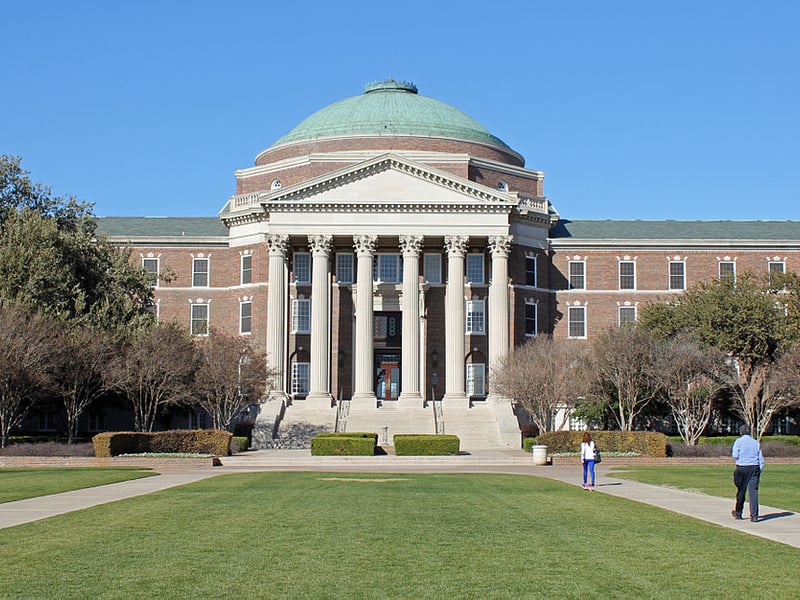
(CN) — Southern Methodist University urged the Texas Supreme Court on Wednesday to throw out a lawsuit by the Methodist Church seeking to regain control of the school.
SMU’s board of trustees voted in 2019 to amend the university’s articles of incorporation to declare that the board is the “ultimate authority” over SMU, not the United Methodist Church. This move came after a vote by the UMC upholding the church’s ban on LGBTQ clergy and prohibition on Methodist pastors performing same-sex marriages created a schism within the church.
Although the church has since repealed both of these policies, that hasn’t ended the struggle for control of the Dallas-based university, which currently enrolls over 12,000 students and has a $2.2 billion endowment.
SMU associate university counsel Susan Howe told the justices that the church lacks the power to bring a lawsuit challenging the 2019 amendments since the university is an independent, non-member nonprofit, and therefore the church is a third party that under Texas law has no authority to challenge the decisions of the university’s board.
However, Chief Justice Jimmy Blacklock seemed skeptical of this argument, accusing SMU of trying to use “clever lawyering in response to a dispute about a hot-button political issue to just throw out over 100 years of the course of conduct of these parties and the way everybody has thought that this was supposed to work.”
What is now known as the United Methodist Church founded SMU in 1911. The university’s articles of incorporation previously stated that it was “to be forever owned, maintained and controlled by the South Central Jurisdictional Conference of The United Methodist Church,” but the 2019 amendments removed this language.
The conference then sued to void the amendments, arguing that the board of trustees lacked the authority to unilaterally amend the articles, as the previous version of the articles stated that no amendments “shall ever be made” without the conference’s prior approval.
The trial court initially threw out the conference’s lawsuit. But an appeals panel reversed, finding that the university’s articles of incorporation constitute a binding contract and therefore the conference has the ability to sue for breach of contract.
Sawnie McEntire, an attorney representing the conference, urged the justices to affirm the panel’s ruling and allow the lawsuit to continue.
“They’ve shut the door on us,” McEntire said. “We need relief. We need a decision from this court to affirm the Court of Appeals, otherwise our rights under the Nonprofit Organization Act will be totally disrespected and ignored.”
Subscribe to our free newsletters
Our weekly newsletter Closing Arguments offers the latest about ongoing trials, major litigation and rulings in courthouses around the U.S. and the world, while the monthly Under the Lights dishes the legal dirt from Hollywood, sports, Big Tech and the arts.