Search Articles


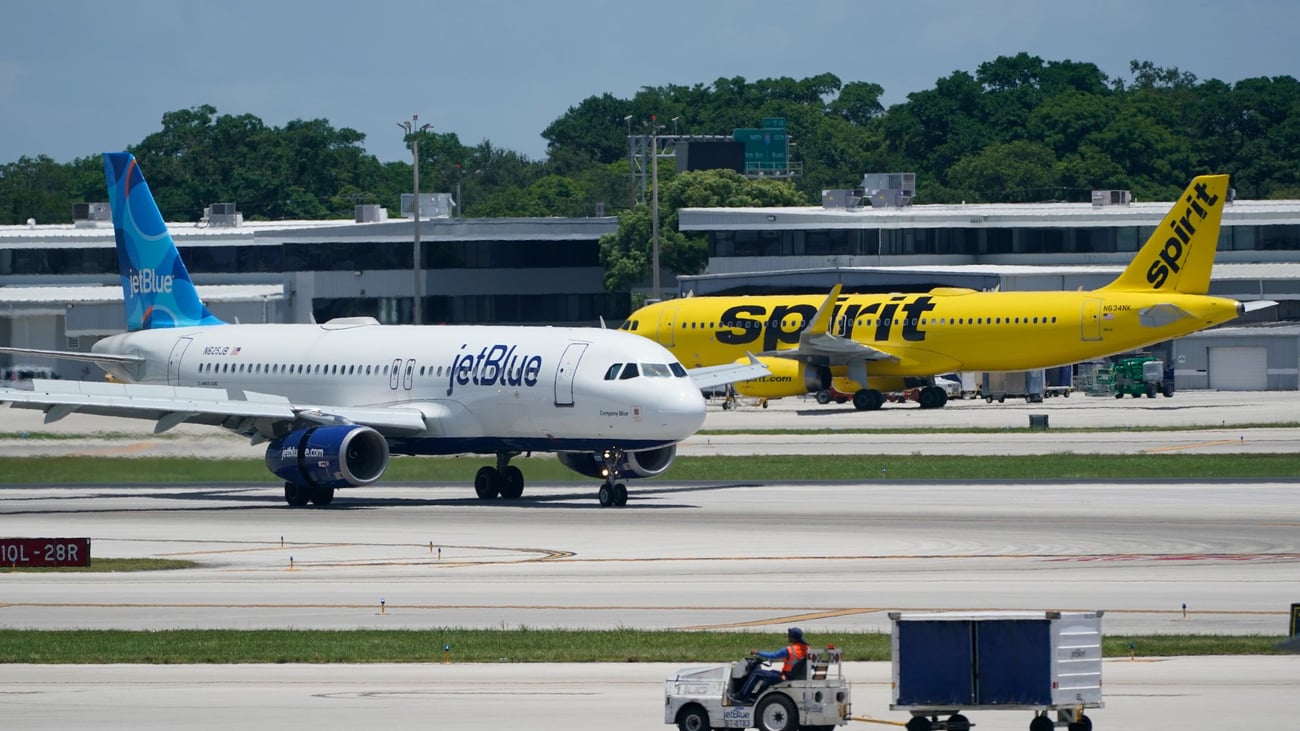
(CN) — An 11th Circuit panel in Miami heard arguments Tuesday over whether the Transportation Security Administration is entitled to security service fees when customers cancel their flight tickets and never travel.
Spirit Airlines argued that passengers who ultimately do not travel do not owe the fee to TSA, because they never required security services.
In the aftermath of terrorist attacks on Sept. 11, 2001, lawmakers imposed a security service fee on air passengers to cover the costs of providing additional protections.
While it gives TSA some flexibility to determine the amount of the security service fee, that discretion is capped at $5.60 per one-way trip and $11.20 for round trips that originate from a U.S. airport.
But U.S. Circuit Judge Andrew Brasher questioned how the airline could challenge the security fee when it charges individuals for it at the time they purchase a ticket to fly.
Spirit, like other airlines, typically collects the security service fee amounts when customers buy their tickets and remits them to TSA on a monthly basis.
“When a passenger enters into the contract with Spirit, aren’t they agreeing to pay the fee as part of that contract?” the Donald Trump appointee asked.
DC-based attorney Adam Feinberg said this is because the TSA has wrongly told airlines they need to collect the fee when the ticket is sold. He argued the security fee charge should be held in limbo and not processed until after the ticket holder’s flight.
“You shouldn’t impose this fee on any passenger until they board the plane? That’s the way you would have done it?” Chief U.S. Circuit Judge William Pryor Jr. asked.
The George W. Bush appointee contested how airlines would realistically collect the fee without burdening travelers any other way.
In TSA’s view, Spirit retained the fees collected from air travelers for itself.
When a customer cancels a ticket, Spirit refunds the security service fee amount to the customer and nets out any applicable cancellation fee. Any remaining refund amount takes the form either of the original payment method or of a travel credit, known as a “credit shell."
If a passenger did not use the credit within 60 days, Spirit claimed the fee for itself and booked it as revenue, neither refunding the fee to the passenger nor remitting it to TSA.
“What are you doing with that money?” U.S. Circuit Judge Nancy Abudu asked. “It seems to me the only person who should be owed the money is the passenger, who is not a party in this case.”
The Joe Biden appointee noted security fees are also used to fund training and other airport security services beyond just passengers having their bags checked.
TSA argued Spirit improperly retained these purportedly refunded fees when it concluded the airline owed it over $2.8 million over a two-year period.
“All of money at issue here ended up in Spirit’s pocket as revenue,” Justice Department attorney Weili Shaw said. “Refunds did not actually happen.”
Pryor added that the statute allows TSA to issue refunds to ticket buyers who do not end up traveling.
Airlines for America, the oldest and largest airline trade association in the country representing passenger and cargo airlines including American Airlines, Delta Air Lines and the United Parcel Service, intervened in the case.
In an amicus brief, it said its members also do not remit the fee to TSA when refund credits expire unused. Two of its members, Alaska Airlines and Southwest Airlines, have filed petitions for review in other federal appellate courts to present the same issue.
The legal battle comes after weeks of long wait times through airport security across the country as Congress stalled negotiations over funding for the Department of Homeland Security, which has been partially shut down since February.
Since then, TSA employees have been working without pay, resulting in more than 500 officers leaving and thousands calling out of work. Airport wait times began to ease this month as TSA employees received retroactive paychecks that included at least two full paychecks they missed in March, according to Acting Assistant DHS Secretary for Public Affairs Lauren Bis.
Democrats have vowed to block any funding package for immigration enforcement without changes to the agency’s practices, and lawmakers remain on spring recess.
 Follow @Megwiththenews
Subscribe to our free newsletters
Our weekly newsletter Closing Arguments offers the latest about ongoing trials, major litigation and rulings in courthouses around the U.S. and the world, while the monthly Under the Lights dishes the legal dirt from Hollywood, sports, Big Tech and the arts.