Search Articles


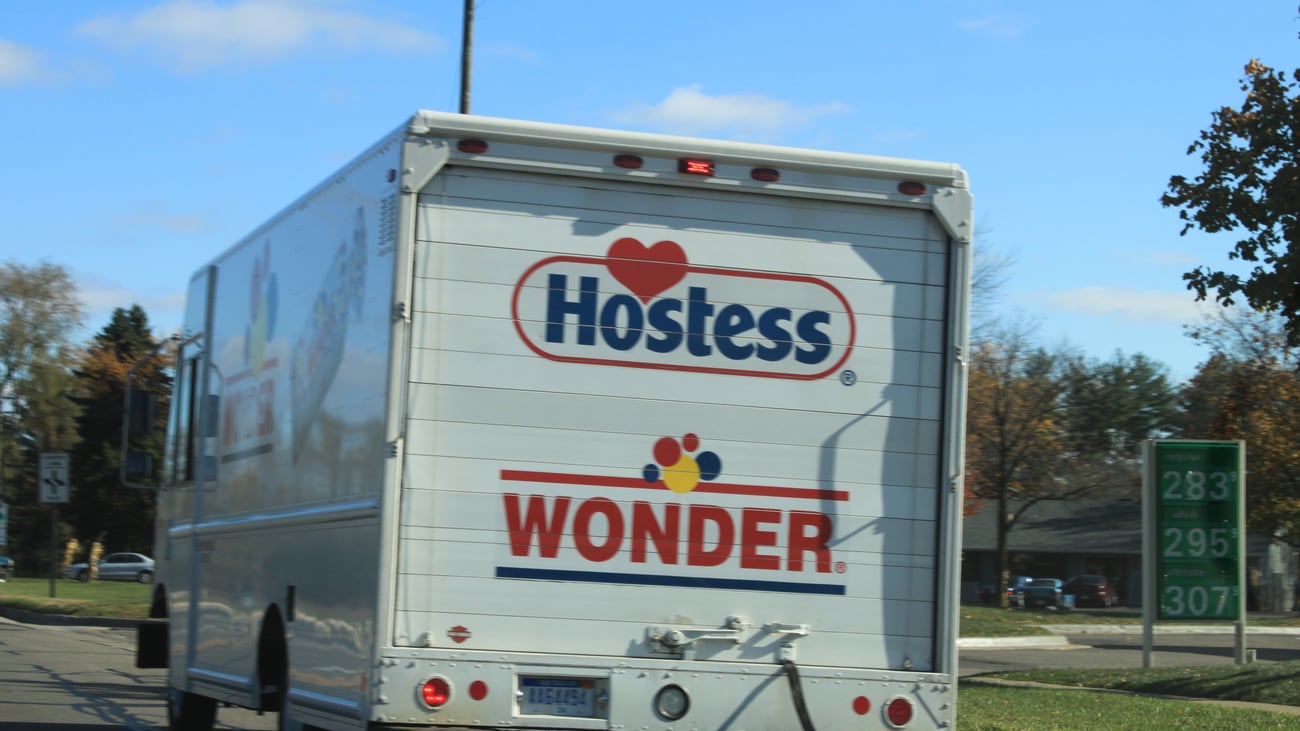
WASHINGTON (CN) — A Wonder Bread delivery driver prevailed at the Supreme Court on Thursday in the latest iteration of litigation over arbitration exemptions for transportation workers who sue their employers.
In a short, unanimous ruling, the court held that Angelo Brock qualified for an exemption to the Federal Arbitration Act without crossing state lines or interacting with a vehicle that does.
“Though ‘a continuous carriage’ may begin in one state and end in another, ‘much of the journey’ can take place ‘within the limits of a single state,’” Justice Neil Gorsuch, a Donald Trump appointee, wrote for the court. “And at least sometimes, a person can ‘take part,’ be ‘employ[ed],’ or be ‘involve[d]’ in that continuous journey without leaving a state or touching vehicles that do.”
Brock sued Flowers Foods, the maker of Wonder Bread, over claiming that truck drivers were independent distributors to avoid minimum wage laws and employment taxes. He argued the drivers are really Flowers employees, requiring the company to comply with a host of state employment laws.
Flowers tried to force Brock into arbitration based on the distributor agreement he signed. Under the FAA, arbitration clauses in employee contracts must be enforced unless the worker is a seaman, railroad employee or any other class of workers engaged in foreign or interstate commerce.
Although his deliveries were purely intrastate, Brock said he qualified for the interstate commerce exemption. A lower court agreed, holding Brock belonged to a class of workers that hauls goods on the final legs of interstate journeys.
The Supreme Court agreed, marking the fourth time the justices have weighed in on the scope of the exemption since 2019. The series of rulings expanded which workers fell under the exemption, including independent contractors in New Prime Inc. v. Oliveira; airline workers unloading and loading cargo without crossing state lines in Southwest Airlines Co. v. Saxon; and transportation workers that play a direct and necessary role in the flow of goods across borders in Bissonnette v. LePage Bakeries Park St. LLC.
Now in Flowers Foods v. Brock, the court said sometimes a worker can qualify for the exemption without crossing state lines or playing a game of tag with the vehicles that do.
At the Supreme Court in March, Flowers warned the lower court’s ruling would lead to unlimited chaos, exempting a broad swath of workers like Amazon delivery workers or Uber drivers from arbitration clauses even if they’re far removed from the cross-border transportation of goods.
But Gorsuch said Flowers only discussed various scenarios without asking the justices to decide their legal significance.
“Instead, it ventures all upon one cast, asking us to adopt a bright-line rule that an individual can never qualify for §1’s exemption unless he crosses state lines or interacts with vehicles that do,” Gorsuch wrote. “And whatever other limits §1 may or may not contain, we do not see how the statutory text can support that one.”
Attorneys for Brock celebrated the unanimous ruling for protecting workers’ right to have their day in court.
“Last-mile delivery drivers, like Amazon drivers and UPS workers, are essential to the nation’s economy — without them, packages wouldn’t be delivered, and bread wouldn’t make it to grocery store shelves,” Jennifer Bennett, an attorney with Gupta Wessler, said in a statement. “Today’s opinion decisively rejects the latest attempt by companies like Flowers to force these drivers into arbitration.”
 Follow @KelseyReichmann
 Follow @kelseyreichmann.bsky.social
Subscribe to our free newsletters
Our weekly newsletter Closing Arguments offers the latest about ongoing trials, major litigation and rulings in courthouses around the U.S. and the world, while the monthly Under the Lights dishes the legal dirt from Hollywood, sports, Big Tech and the arts.