Search Articles


AUSTIN, Texas (CN) — Data center opponents and advocates descended on the Texas Capitol Tuesday to plead with lawmakers to exercise their power on the highly controversial industry.
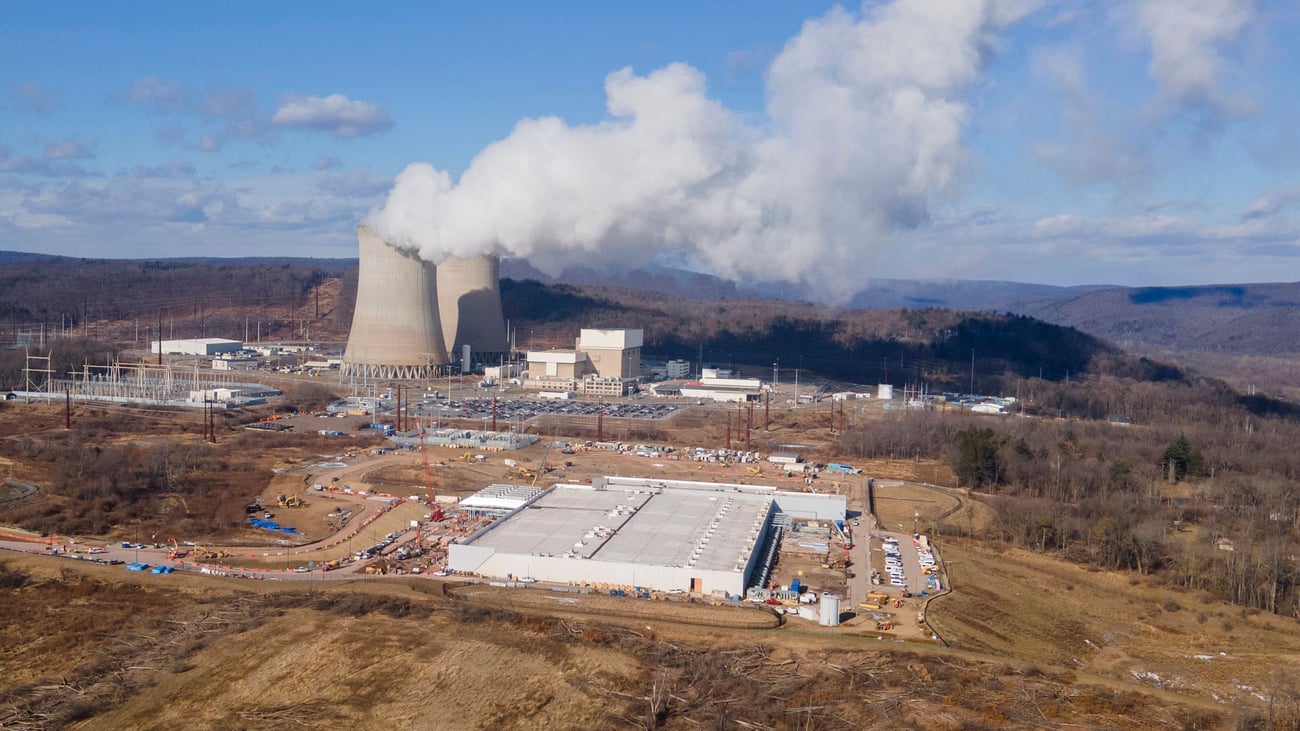
The meeting of the Texas House Natural Resources Committee brought hundreds from the various sides of the data center debate together. Part of the meeting was dedicated solely to examining the millions of gallons of water being used by data centers daily for cooling.
In a state where water can be a scarce and precious resource, data centers have become an existential threat for those in the rural areas where powerful tech companies have chosen to settle.
Roger Browning, a lifelong cattle ranger from Quanah, told Courthouse News the development of data centers around him has already impacted access to water in the area.
“I have a neighbor whose well is down,” Browning said. “I have another neighbor whose well volume went from one inch stream, running 24 hours, and now it pumps down after 30 minutes. The only variable is they’re pulling water out to build the data center; there’s nothing else happening.”
Texas has experienced an explosion in data center projects in recent years. Temple McKinnon, Director of the Texas Water Development Board’s Water Supply Planning Division, reported that in 2023, the board oversaw 22 entities in 2023. In 2025, the board oversaw 341.
Several members of the committee were astounded to learn that the data needed to evaluate data centers’ impact on Texas’s natural resources is itself a scarce resource.
According to McKinnon, of the over 300 data centers or cryptocurrency mines the board surveyed about their surface and groundwater usage, only 17% responded. Under the Texas Water Code, entities are required to respond to the survey or face being charged with a Class C misdemeanor.
Representative Trent Ashby, a Republican from Lufkin, avoided blaming the state agencies for the lack of responses but stressed the state’s critical need to acquire this information.
“When you are talking about massive water usage, especially groundwater, and the state cannot calculate how much water is being used, I think we can all understand why Texans are rightfully concerned…” Ashby said.
Later on, committee members heard from a panel of data center executives who attempted to soften the lawmakers’ growing frustration.
Dan Diorio, vice president of state policy at the Data Center Coalition — an advocacy organization representing companies such as Amazon, Microsoft, Google, Meta, Anthropic and OpenAI — said the industry takes water issues seriously and is responsive to concerns.
He emphasized the industry’s exploration of different cooling techniques that do not utilize surface or groundwater, but advised against placing restrictions on the industry.
“Mandating the technology of today fails to create an environment that fosters the innovations of tomorrow,” Diorio said.
The committee also heard from Beau Shilz, Water Team lead at Amazon Web Services, and Ben Townsend, Google’s Head of Infrastructure Strategy and Sustainability, who gave examples of how the tech giants are using non-potable water or closed cooling systems to lessen their strain on communities’ water supply.
Despite these commitments, many of the people who traveled across the state to testify were not swayed.
Tom Green County Commissioner Shawn Nanny told the committee of his experience of facing constituents who were angry and fearful of what a proposed data center in his precinct might do to the area.
“These people look to me to protect them, and I was absolutely helpless,” Nanny recalled.
Seeking agency as an elected official, Nanny called on the lawmakers to give him, and county commissioners like him, more authority to evaluate and restrict data center projects.
For many of the Texans who attended the meeting, those who are fearful of what data centers might bring to their communities, they called on the legislature to enact a moratorium on all projects, so that data can be properly collected and regulations put in place.
“I’m asking for a special session from the governor,” Roger Browning told the committee. “And tell [Governor Greg Abbott] I’m firing him. I’m conservative, but I don’t have any use for anybody who is a proponent of these data centers.”
Of the 1,200 registered voters polled by the Texas Politics Project, 56% said they were opposed to the construction of a data center in their community, with 29% in support. The poll released Tuesday has a margin of error of +/- 2.83%.
Data center regulation is expected to be a major topic for lawmakers when they return to Austin for a regular legislative session next year.
Until then, Abbott has sought to enact some regulation of his own by directing the Public Utility Commission and the Electric Reliability Council of Texas to ensure data center projects do not burden Texans and the state’s natural resources.
“Data centers must bring their own power, they must reuse their own water, and they must reduce electricity costs for residential and small business customers,” Abbott wrote in a post on X. “We will slash incentives and protect Texas neighborhoods. Those are bottom-line expectations.”
 Follow @KirkMcDanie1
Subscribe to our free newsletters
Our weekly newsletter Closing Arguments offers the latest about ongoing trials, major litigation and rulings in courthouses around the U.S. and the world, while the monthly Under the Lights dishes the legal dirt from Hollywood, sports, Big Tech and the arts.