
 Search Articles


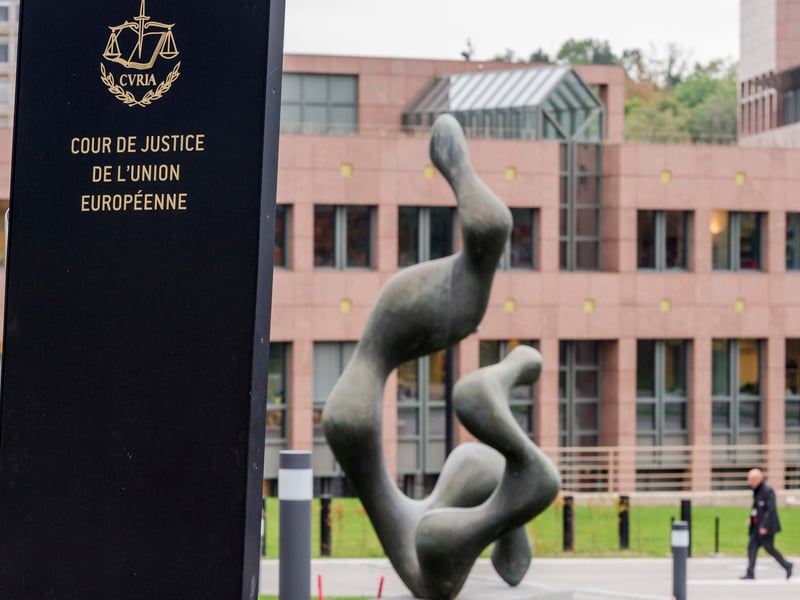
(CN) — The European Union’s high court on Thursday sided with the United Kingdom by finding a British tax scheme did not illegally benefit multinational corporations based in Britain.
The ruling by the European Court of Justice was a setback for EU regulators in their bid to crack down on tax regimes they deem unfair. Only nine days ago, EU regulators claimed a major victory when the same court ordered Apple to pay 13 billion euros ($14.4 billion) in back taxes owed to Ireland.
At issue were certain tax breaks granted to multinational groups based in the U.K. on some profits from their so-called “controlled foreign companies,” or CFCs. These are companies based outside the U.K. but owned by British companies.
In April 2019, shortly before Britain officially exited the EU, the European Commission, the EU’s executive branch, determined these tax exemptions were illegal and ordered the U.K. to recoup an unspecified amount of money it said companies owed between 2013 and 2018, a period during which the commission said revamped CFC tax rules were unfair.
The British government along with the London Stock Exchange and broadcaster ITV challenged the commission’s ruling. In 2022, the General Court, the EU’s lower chamber, upheld the commission’s finding.
The commission argued the rules gave companies based in the U.K. an unfair advantage. It said the scheme was designed to attract companies to set up headquarters in the U.K. and discourage British companies from moving offshore.
But the high court said the commission and General Court “erred in law” because Britain properly applied its own tax laws when it allowed the exemptions for CFCs.
Britain’s tax rules for CFCs went back to 1984 and predated EU rules. They were crafted to prevent U.K. companies from using a subsidiary, based in a low or no tax jurisdiction, to avoid taxation in the U.K.
Britain argued profits from CFCs are taxed the same way as if those profits had been generated by British companies, making the tax exemptions legal.
In a statement, the court said the commission was “required to accept the member state’s interpretation of the relevant provisions of its national law, unless it is able to establish that another interpretation prevails in the case-law or the administrative practice of that member state.”
The commission did not name which companies benefited from the scheme, though numerous companies were affected. The ruling is final and cannot be appealed.
Courthouse News reporter Cain Burdeau is based in the European Union.
 Follow @cainburdeau
Subscribe to our free newsletters
Our weekly newsletter Closing Arguments offers the latest about ongoing trials, major litigation and rulings in courthouses around the U.S. and the world, while the monthly Under the Lights dishes the legal dirt from Hollywood, sports, Big Tech and the arts.