
 Search Articles


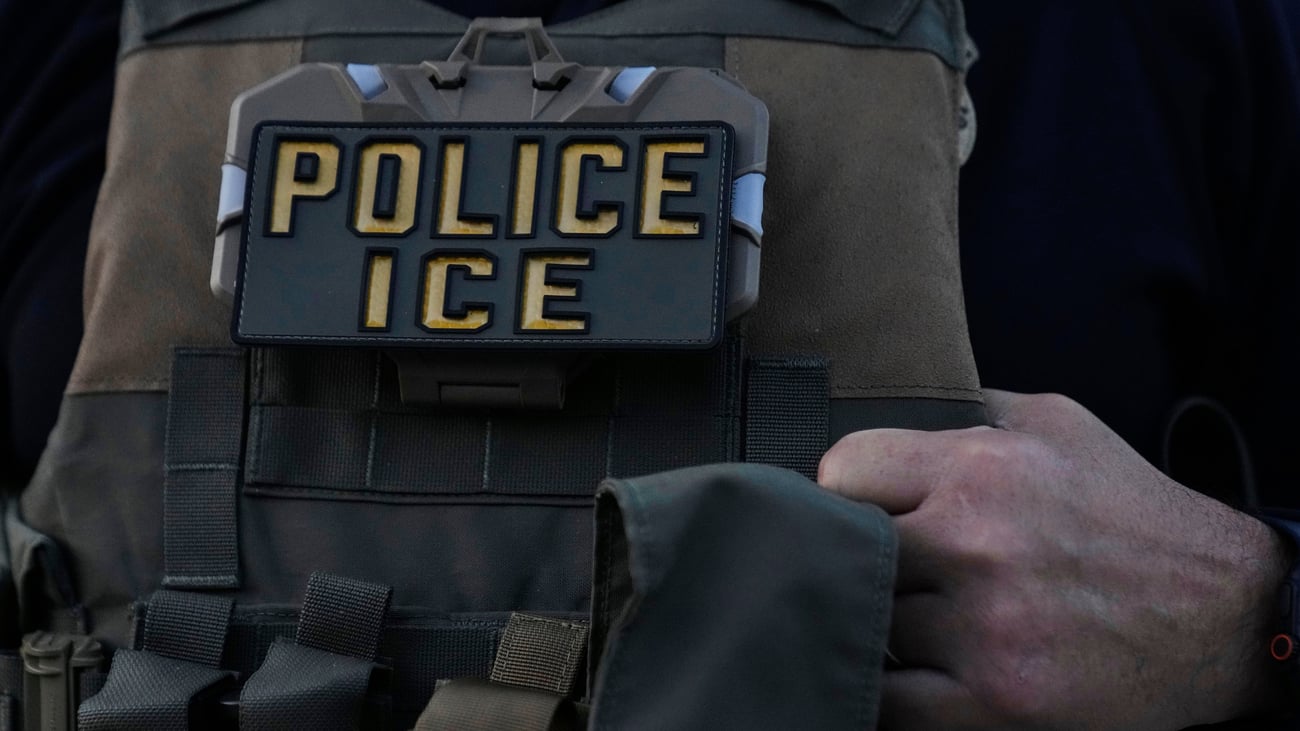
SAN FRANCISCO (CN) — A Ninth Circuit panel pressed attorneys on Wednesday about the likelihood immigration agents would continue to target the same people caught in a California Border Patrol operation last year.
That question is pivotal for the judges who will decide if a lower court properly imposed a preliminary injunction affecting Border Patrol in the Eastern District of California. The injunction prohibits agents from stopping people without reasonable suspicion the person violated immigration laws.
The federal government appealed the lower court’s injunction, saying the United Farmworkers of America couldn’t show they faced a greater likelihood of agents detaining them again. The union argued the people detained were going about their daily lives, would use the same roads and visit the same places — meaning they did, in fact, face that future risk.
Representing the union, attorney Bree Bernwanger agreed with the government that individual plaintiffs must show they face future risk of agents stopping them.
“They have done so here,” Bernwanger said. “The record is full of it.
“Here, the plaintiffs have already been harmed," she added.
U.S. Circuit Judge Morgan Christen, a Barack Obama appointee, questioned whether only a few agents acted improperly.
But Bernwanger said stops performed by Border Patrol weren’t isolated incidents or done by rogue agents. She called it a pattern or practice, pointing to 77 out of 78 arrests occurred when agents had no knowledge of the person’s immigration status before the stop.
Bernwanger called that consistency in the government’s actions to violate people’s constitutional rights.
U.S. Circuit Judge Danielle Forrest, a Donald Trump appointee, asked about the lower court opting against making an analysis on the union’s standing when granting the preliminary injunction.
“It seems like we’re missing a link,” Forrest said.
Bernwanger said that analysis wasn’t needed, as the government didn’t raise the issue at the time. She said her clients have standing because agents targeted them as they performed their usual routines.
But Forrest said the U.S. Supreme Court has indicated lower courts must ensure legal requirements are met, like the standing requirement. The lower federal court in this case didn’t.
Bernwanger pushed back, saying the lower court found the pattern and practice of agents violating people’s Fourth Amendment rights was likely to continue. Her clients can’t avoid their daily routines and agents already had targeted them, she said.
“That evidence is unrebutted,” she added.
Arguing for the federal government, attorney Michael Velchik said the plaintiffs had no standing because they face no future injury. The case hinged on a three-day operation and no basis existed that an agent would stop a plaintiff again.
Velchik pointed to the 1983 U.S. Supreme Court case City of Los Angeles v. Lyons, noting the high court decided that a man who’d been choked by an officer didn’t show he faced a threat of again being choked.
Christen countered that in Lyons, police had no policy calling for that use of force. In this case, the potential for a pattern or practice of arresting certain people existed.
“In this case, we had a sweep,” the judge said.
Forrest questioned Velchik’s argument that the plaintiffs face no more risk of a future stop than any other person in the area. It’s known that agents targeted a subset of people, the judge added.
“I don’t understand that,” Forrest said.
Velchik emphasized the plaintiffs must show they have a likelihood of future harm, and their accusations fail to meet that legal standard.
The panel, rounded out by U.S. Circuit Judge Mary Schroeder, a Jimmy Carter appointee, made no decision Wednesday.
“The government claims on appeal that it will follow the law going forward, while at the same time fighting an order that requires it to do just that," said Franco Muzzio, an attorney with Keker Van Nest & Peters representing the farmworkers union, in a statement. “We’re encouraged the panel seemed to see through that contradiction.”
Subscribe to our free newsletters
Our weekly newsletter Closing Arguments offers the latest about ongoing trials, major litigation and rulings in courthouses around the U.S. and the world, while the monthly Under the Lights dishes the legal dirt from Hollywood, sports, Big Tech and the arts.
Additional Reads

 Lawmakers rip Republican plan to make DC ‘square again’ April 23, 2026