Search Articles


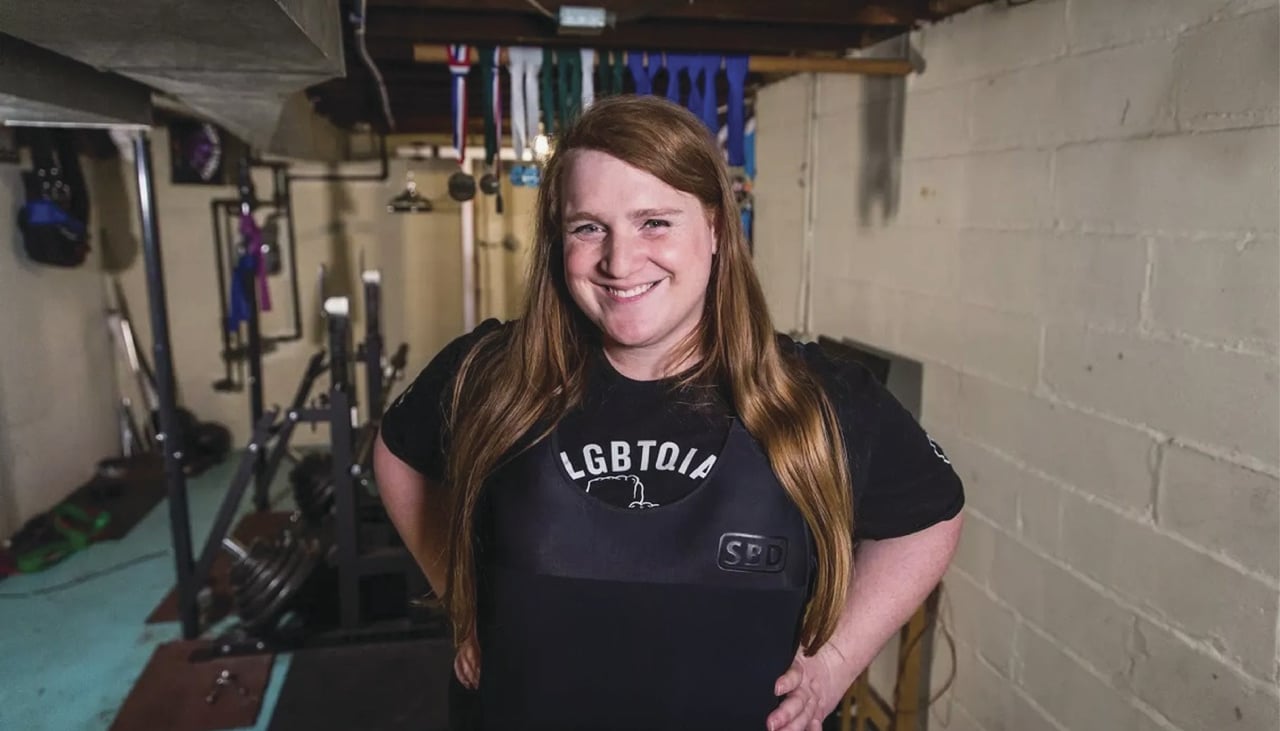
MINNEAPOLIS (CN) — USA Powerlifting reached a settlement in a discrimination lawsuit with a transgender athlete after the Minnesota Supreme Court previously sided with the powerlifter.
While USA Powerlifting continues to deny any general liability or unlawful conduct, the organization acknowledges the high court’s ruling in the settlement, and agrees to pay a gross sum to the transgender woman powerlifter, JayCee Cooper.
Jess Braverman, legal director at Gender Justice, who represented Cooper, said Tuesday the group will celebrate the victory, but remain vigilant in ensuring all Minnesotans, including transgender individuals, can participate in sports, schools, employment and healthcare “without facing discrimination because of who they are.”
In October 2025, a unanimous Minnesota Supreme Court ruling found USA Powerlifting violated the state’s Human Rights Act by discriminating against Cooper in banning her from competing in its women’s division in 2019.
USA Powerlifting said the Minnesota Supreme Court opinion, which came after more than six years of litigation, left the organization with few legal options to pursue besides settling, despite strong opposing views.
“As athletic organizations around the world increasingly codify sex-based competition categories, the state supreme court’s ruling has placed Minnesota increasingly at odds with national and international sports standards,” USA Powerlifting said in a statement Tuesday — pointing to a recent policy announcement by the International Olympic Committee to ban transgender women athletes from women’s events.
“What the plaintiffs cast as a victory for transgender rights is a ruling that has forced Minnesota to take a step backward for women, fair competition and common sense,” former USA Powerlifting president Larry Maile said in the statement, adding the organization continues to believe strongly in the case’s merits despite Tuesday’s settlement.
Cooper brought the initial lawsuit against the organization in 2021 after mediation and negotiation attempts with USA Powerlifting failed following the 2019 exclusion.
At the time of Cooper’s original application to compete in a USA Powerlifting bench press competition, the organization had no specific guidance in place for transgender participation, but chose to deny Cooper’s entry into the event regardless.
Later, the organization issued a blanket ban barring transgender women from competing in female competitions — arguing athletes like Cooper have an unfair biological advantage over other women lifters.
While the Minnesota Supreme Court sided with Cooper in her discrimination claim, it did not rule against USA Powerlifting’s potential legitimate business purpose in denying transgender women from competing in the women’s division.
Chief Justice Natalie Hudson had said the organization submitted “substantial” expert testimony and evidence that transgender women have a significant strength advantage — though Cooper asserted allowing transgender women to compete would not change the nature or business of powerlifting.
Cooper’s attorneys indicated they would dismiss the business discrimination claim should it warrant a jury review, clearing the way for the eventual settlement.
Monday’s agreement marks the end of Cooper and USA Powerlifting’s lengthy legal journey, but comes amid an intensifying legal battle over Minnesota’s transgender athletes laws.
In March, the Trump administration sued the state and its school athletics body, claiming state gender identity policies allowing transgender students to participate in sports discriminates against female athletes.
On the other hand, Minnesota’s yearlong suit against the Trump administration’s executive orders targeting transgender athletes is currently awaiting a motion to dismiss ruling.
Around half of all U.S. states have passed laws prohibiting transgender women and girls from participating in certain sports.
USA Powerlifting said it has made no decision yet on next steps in its Minnesota operations, adding organization leadership will review the matter in the coming weeks.
For now, the organization’s transgender policy on its website, which leans heavily on competition based on biological sex, includes an asterisk at the end of the page clarifying its policy “does not apply to MN competitions.”
Subscribe to our free newsletters
Our weekly newsletter Closing Arguments offers the latest about ongoing trials, major litigation and rulings in courthouses around the U.S. and the world, while the monthly Under the Lights dishes the legal dirt from Hollywood, sports, Big Tech and the arts.