
 Search Articles


PHOENIX (CN) — Walgreens is likely to pay more than $30 million in a settlement with nearly 200,000 customers who say the company misled and endangered them with fraudulent blood tests.
A federal judge preliminarily approved the hefty settlement in a Phoenix motion hearing Tuesday morning.
The drugstore chain administered more than 300,000 blood tests in Arizona locations from 2013 to 2016 using what at the time was touted as revolutionary technology from the California-based company Theranos. But in 2016, the now-infamous company and its technology were revealed to be fraudulent and ineffective.
Eight years later, roughly 198,000 consumers who relied on the tests for potentially lifesaving information are set to receive $113.33 each — more than double what they spent on the tests.
A subclass of nearly 8,000 people who underwent “tiny” blood draws from Walgreens — Theranos had pledged to analyze the samples with its Edison devices — between November 2013 and March 2015 could receive up to $1,000 to settle medical battery claims against Walgreens.
The company will pay a total of $22.5 million to the primary class members and $7.8 million to the subclass members.
Attorneys also plan to request an additional $10,000 for each of the representatives of the class named in the appeal, who have “been actively involved in the action for seven years,” according to court documents.
Plaintiffs have also reached agreements with Theranos and former chief operating officer Ramesh Balwani, who’s currently awaiting a decision on the appeal of a 13-year prison sentence he received last year for his involvement in the fraud.
Theranos will pay $1.3 million to class members, attorneys said.
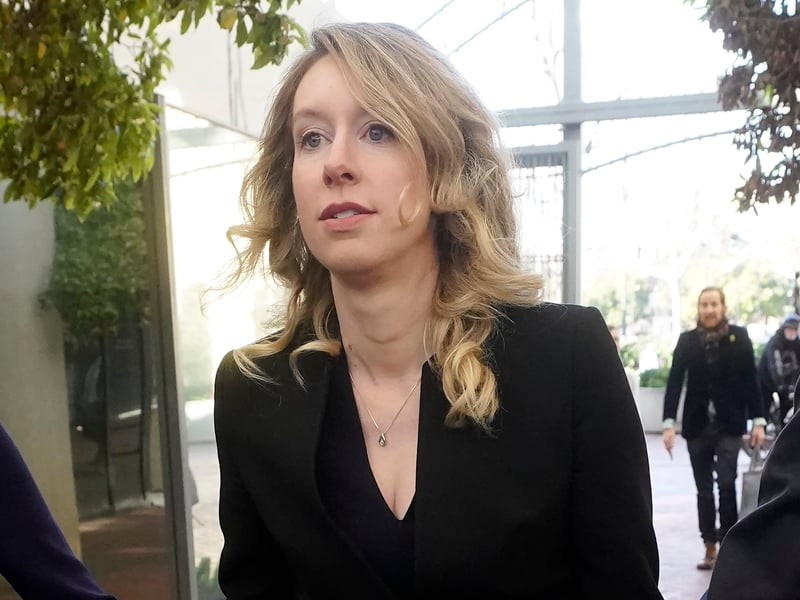
Elizabeth Holmes, former CEO and Theranos founder, hasn’t yet agreed to settle. The 39-year-old founder is awaiting appeal of her own 11-year sentence for fraud and conspiracy.
She still has active claims against her own company, Theranos attorneys said in the telephonic hearing.
Kimberly Toy and 11 others sued Walgreens and Theranos in 2016, less than a year after a Wall Street Journal article accused Theranos of using technology other than its own to conduct the majority of its blood tests, which were heralded as groundbreaking technology that could run more than 200 medical assessments with only a pinprick of blood. The article suggested that Theranos cheated on proficiency tests to get laboratory certification.
The plaintiffs accuse Walgreens of embracing the fraud and remaining willfully ignorant to evidence that the blood tests didn’t work.
Walgreens says it learned the truth about Theranos from the article. It filed a motion for summary judgment in February, arguing that no reasonable jury would suspect Walgreens knew of the massive fraud taking place under executives’ noses.
“From day one to the last day, Theranos staff insisted to Walgreens that its technology and devices worked,” Walgreens attorney Kristin Seeger told the judge in April.
U.S. District Judge David G. Campbell, a George W. Bush appointee, denied the motion in May, reasoning that enough evidence exists to convince a jury that Walgreens was “willfully blind” to Theranos’ tricks.
Walgreens agreed to settle claims just 11 days later.
 Follow @JournalistJoeAZ
Subscribe to our free newsletters
Our weekly newsletter Closing Arguments offers the latest about ongoing trials, major litigation and rulings in courthouses around the U.S. and the world, while the monthly Under the Lights dishes the legal dirt from Hollywood, sports, Big Tech and the arts.