Search Articles


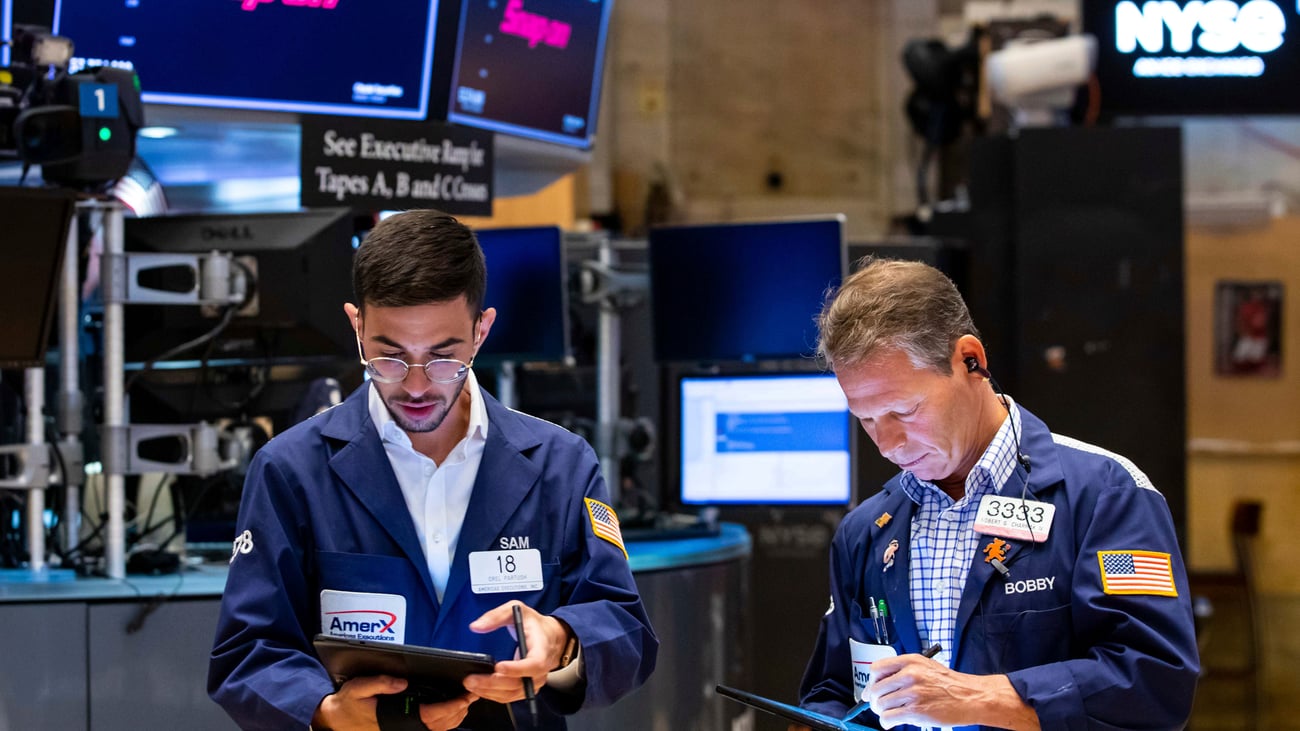
MANHATTAN (CN) — Markets are wobbling after news the Trump administration scrapped its tentative peace deal with Iran, causing oil prices to climb again.
Calling Iran officials “liars” after repeated attacks on ships in the Strait of Hormuz, President Donald Trump on Wednesday angrily declared that a memorandum of understanding with Iran was finished.
“As far as I’m concerned, it’s over,” the president said. Since then, the United States has resumed airstrikes, causing oil prices to rise slightly.
Investors haven’t reacted violently to the news, however. Markets dropped Wednesday but then reclaimed ground by week’s end. The Dow Jones Industrial Average lost just 263 points for the week, while the S&P 500 gained 92 points and the Nasdaq increased by 449 points.
Experts say investors have become inoculated somewhat to the volatility in the Middle East, focusing instead on artificial intelligence-related buying and selling.
“Our sense … is that oil prices will generally exert a much smaller influence on U.S. equities than they did in the first month of the Iran war, as they keep playing second fiddle to sentiment around AI,” John Higgins, chief economist advisor at Capital Economics, wrote in an investor’s note on Wednesday.
Others are banking on AI as a cure-all to other economic woes, too. Minutes from the Federal Reserve’s last open market committee meeting show many at the bank believe elevated inflation is now due to AI-related price pressures and the waning effects of tariffs.
“Tariff effects no longer appear as much of an inflationary bogeyman as in the past,” Bernard Yaros, lead U.S. economist at Oxford Economics, wrote in an investor’s note, adding the Fed seems optimistic about the impact of artificial intelligence (AI) on the economy.
“Eventually, AI will become a driver of stronger productivity growth, allowing the economy to expand faster without unleashing excess inflation,” Yaros wrote. “However, some Fed officials remarked that this would take time to play out.”
The minutes contained less forward guidance than previous Fed minutes — under new chair Kevin Warsh, the Fed will be more reserved in its communication — but experts still believe the central bank will hike rates later this year.
Early in the week, the Institute for Supply Management’s services index showed a slight decrease in activity last month. But at 54 points, it still remains in expansion territory, marking two straight years the index has been above the 50-point mark.
The services index also showed business activity retreated slightly, while the new orders index fell by two points. The most positive aspect of the index was the employment section, which increased from 47.9 points to 51.2 points in June.
“The ISM employment subindex tells the same story as the unemployment rate … [that] the low-hire, low-fire labor market is thawing,” Bill Adams, chief U.S. economist at Fifth Third Commercial Bank, said in a statement. He added the index shows some labor shortages but that those gaps haven’t yet showed up in recent employment reports.
Experts saw World Cup-related hiring is likely due to the increase in the ISM employment subindex, as well as easing stress from the Iran conflict. However, the index and commentary both came out before the United States began launching fresh military strikes against Iran.
 Follow @NickRummell
Subscribe to our free newsletters
Our weekly newsletter Closing Arguments offers the latest about ongoing trials, major litigation and rulings in courthouses around the U.S. and the world, while the monthly Under the Lights dishes the legal dirt from Hollywood, sports, Big Tech and the arts.