Search Articles


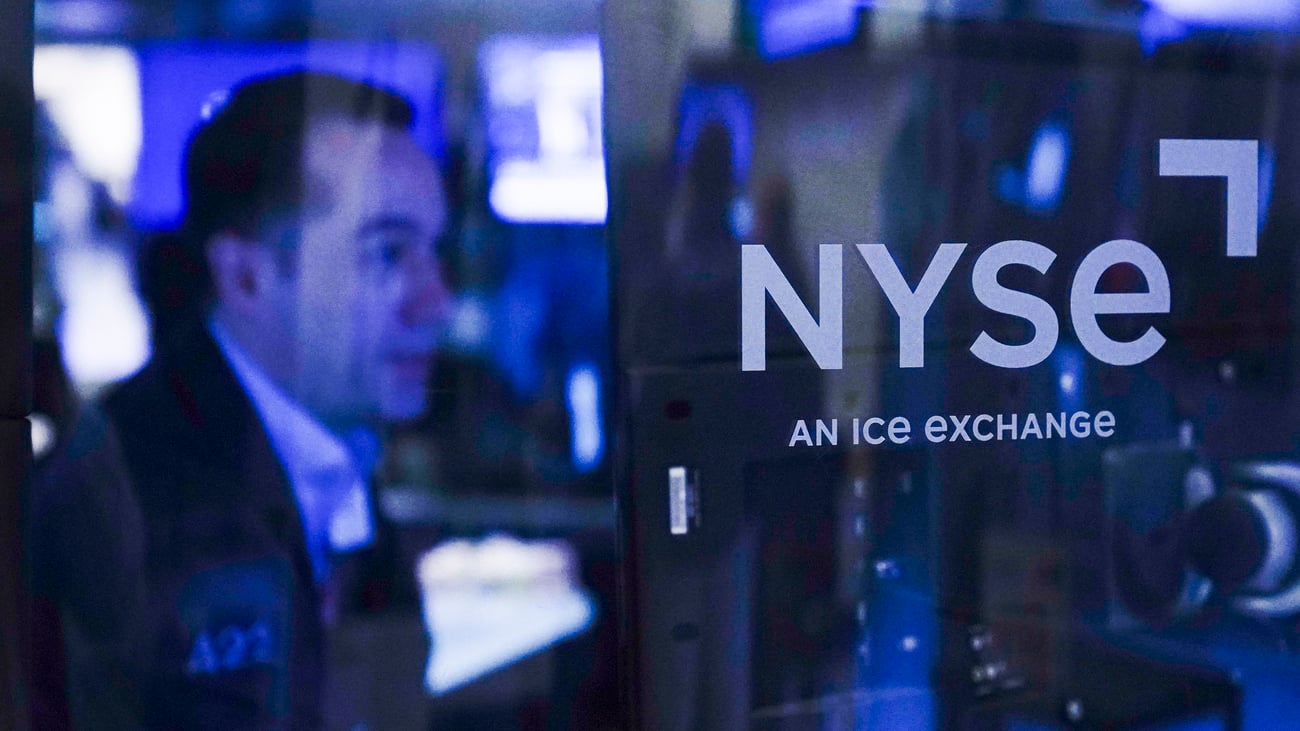
MANHATTAN (CN) — Markets notched sizeable gains this week, even as gasoline prices, consumer sentiment and inflation concerns pose economic headwinds.
The Dow Jones Industrial Average again topped the 50,000-point mark, gaining 959 points for the week to settle at 50,579 points, a new record. The S&P 500 and Nasdaq both pushed forward, as well, gaining 75 points and 241 points for the week, respectively.
The week had all the ingredients for another loss. The Iran war’s toll has caused gasoline prices to hit a four-year high, with AAA reporting regular gasoline averaging $4.55 per gallon nationally.
The conflict also further dragged down consumer sentiment, which fell markedly to hit 44.8 on the University of Michigan’s monthly index. This marks a 10% reduction from April’s survey, a 14% decrease since this time last year, and a new low point for the survey.
The “current conditions” and “expectations” indices saw similar drops, The poor confidence in the U.S. economy is not entirely politicized, either, as sentiment from independent voters and Republicans have hit their lowest readings during the current administration.
“Earlier this year, consumers may have reserved judgment about how long the Iran conflict would last,” Joanne Hsu, the survey’s chief economist, said in a statement. “Three months into the conflict, consumers appear to be worried that supply disruptions are unlikely to be resolved quickly.”
Nearly three out of five consumers say high prices have eroded their personal finances, up from 50% of respondents last month, and the losses are highly concentrated among lower-income consumers and those without college degrees.
Hsu added “consumers are clearly concerned that increases in gas prices will spread to other prices in the economy and that consequences may persist into the long run.”
Investors should have been given a boon with the swearing-in of new Federal Reserve Chair Kevin Warsh, but with recent inflation data hotter than expected analysts anticipate no more than one rate cut by the end of the year. Some analysts even are girding themselves for a possible rate increase.
The minutes from the April meeting of the Federal Open Markets Committee showed a hawkish streak among voting members, with “a majority of participants” in favor of rate increases if inflation were to remain “persistently above 2%.”
Many Fed members blamed the “duration and economic implications of the Middle East conflict” with the need to hold interest rates steady, though “several participants” also noted “rate reductions would be warranted later this year.”
Solid employment data and rising inflation since the Fed’s April meeting suggest the central bank is likely to keep interest rates where they are when they meet again next month, experts say, and markets have been pricing in rate hikes over the next 12 months.
“The uncertainty around the duration of the conflict in the Middle East and the future path of energy prices is clearly worrying the Fed, though the jitters about inflation expectations becoming dislodged seem premature and overdone,” Ryan Sweet, global chief economist at Oxford Economics, wrote in an investor’s note.
 Follow @NickRummell
Subscribe to our free newsletters
Our weekly newsletter Closing Arguments offers the latest about ongoing trials, major litigation and rulings in courthouses around the U.S. and the world, while the monthly Under the Lights dishes the legal dirt from Hollywood, sports, Big Tech and the arts.