
 Search Articles


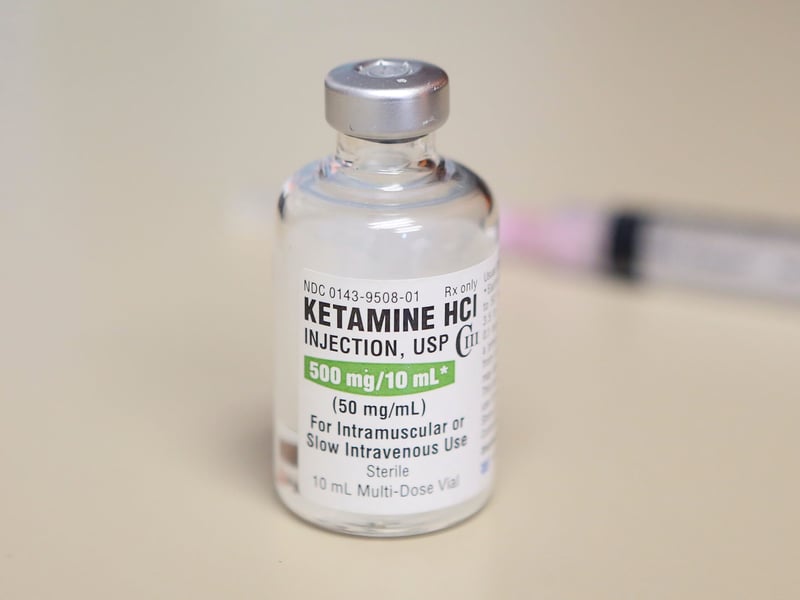
(CN) — The Wall Street Journal on Thursday refuted claims it defamed a ketamine therapy business by falsely attributing it to the death of American and Canadian actor, Matthew Perry.
Mindbloom, a telehealth provider of medically supervised at-home ketamine therapy, filed suit in Delaware this week against the newspaper’s publishing company, Dow Jones & Company.
“We will mount a robust legal defense against the feeble, unsupported allegations in Mindbloom’s complaint," a spokesperson for the Wall Street Journal said. “Mindbloom’s lawsuit is a misguided, meritless attempt to place blame for its alleged losses on the Journal. The Wall Street Journal is proud of its award-winning health coverage in general and this article in particular.”
On Aug. 16, 2024, the New York-based news outlet published an article under the headline, “People Are Injecting Ketamine at Home: Matthew Perry overdosed on anesthetic that Mindbloom is sending by mail."
In the complaint, Mindbloom claims the headline is false and that the WSJ knew that it was not responsible for mailing the anesthetic that killed Perry.
The actor, who was most known for his role in the television sitcom “Friends,” was never a client of Mindbloom’s and never received medication from the company or its affiliated clinicians, according to the complaint.
Mindbloom asserts the WSJ knew it had nothing to do with Perry’s death, because just one day earlier it had reported that he died after taking ketamine obtained from a drug dealer, but made the misleading suggestion anyways.
“By publishing the headline about Mindbloom the following day, the WSJ deliberately placed Mindbloom alongside the drug dealers and indicted physicians it had just reported on — inviting readers to draw a false and devastating connection,” Mindbloom wrote in its complaint.
The company argues the article gave readers a false impression that it recklessly distributed ketamine and that its services are not safe. It said across more than 695,000 treatments provided to nearly 60,000 patients, no Mindbloom patient has ever overdosed under its care.
After publication, multiple clients interviewed by the WSJ contacted Mindbloom to say their experiences had been distorted and their quotes had been taken out of context, according to the complaint.
It said the article left immediate and enduring harm to Mindbloom’s business and devastated its reputation, causing existing clients and prospective patients to lose trust and back out of treatment.
“Clickbait like this isn’t journalism — it’s the weaponization of stigma,” Mindbloom Founder and CEO Dylan Beynon, said in a statement.
“I lost my mom and sister to mental illness. When fearmongering headlines scare patients away from lifesaving treatment, the cost is measured in suicides, overdoses and broken families. This lawsuit is about defending our clients and increasing access to effective mental health care," he added.
By painting its treatment settings in a distorted light, Mindbloom argues the article risked deterring vulnerable individuals suffering from mental health issues from seeking care and inflamed negative attitudes and stigma around those who do.
According to the complaint, the newspaper assigned the article to a 21-year-old undergraduate intern with little experience, who told Mindbloom that the article would mention Perry’s death, but assured it would not be affiliated with their business.
Over the following nine months, Mindbloom said it submitted multiple written requests for retraction and correction that were disregarded.
The lawsuit is not the first time America’s largest newspaper publication has been accused of defamation. In 2024, AML Global Ltd., a firm that sells aviation fuel, filed suit over a WSJ article claiming it was involved in fraudulent activities related to the crypto firms Tether and Bitfinex.
And in 2016, high-ranking Venezuelan politician Diosdado Cabello sued the WSJ claiming he was falsely portrayed in a story about cocaine trafficking.
 Follow @Megwiththenews
Subscribe to our free newsletters
Our weekly newsletter Closing Arguments offers the latest about ongoing trials, major litigation and rulings in courthouses around the U.S. and the world, while the monthly Under the Lights dishes the legal dirt from Hollywood, sports, Big Tech and the arts.