Search Articles



MANHATTAN (CN) — Wall Street notched some fresh gains during the abbreviated week of trading, looking past middling jobs data and ho-hum consumer confidence.
The Dow Jones Industrial Average set another new record, gaining 747 points since last Friday to close out the week at 52,899 points. The S&P 500 and Nasdaq both recovered a bit from last week, gaining 68 points and 201 points for the week, respectively.
Markets are closed on Friday due to the Independence Day holiday.
Stable oil prices, hovering around $70 per barrel with the Iran conflict subdued, kept investors on the straight and narrow. The June jobs report, which missed the mark and revised the two previous jobs reports down by 74,000 jobs, did not really dent gains much.
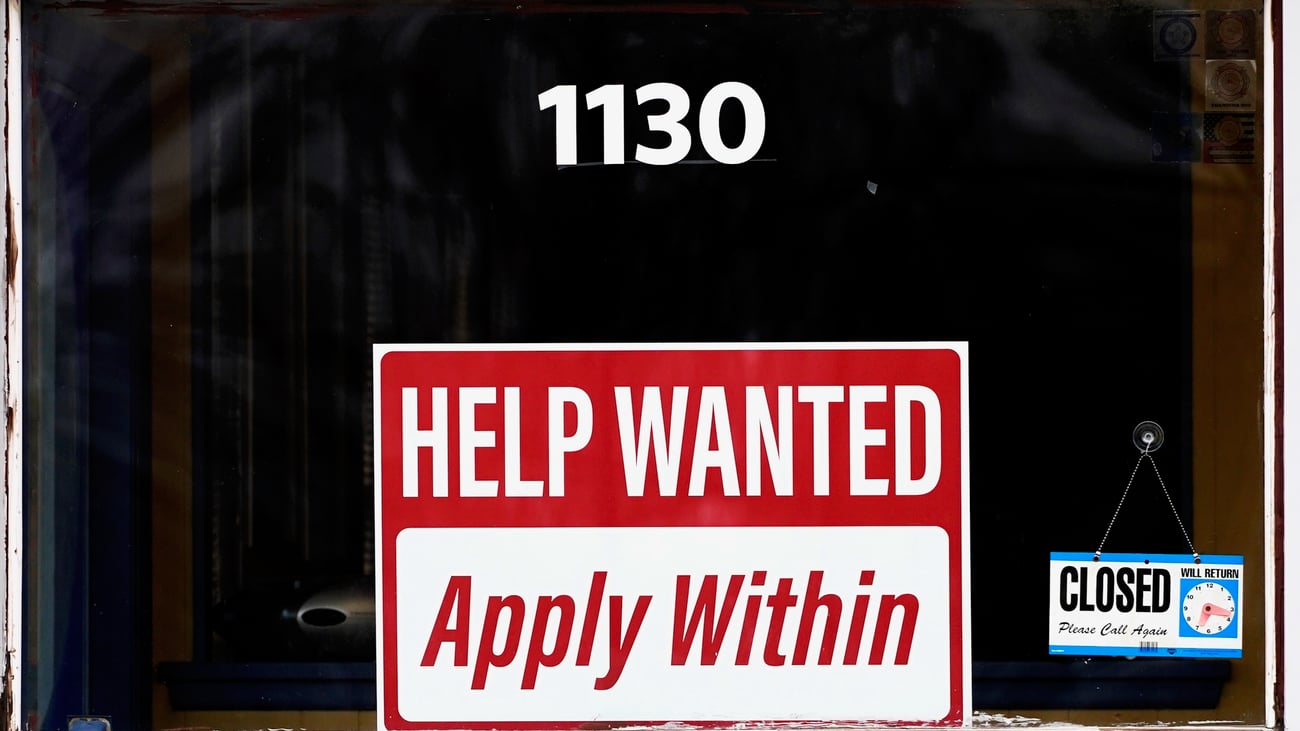
The monthly jobs report showed a weaker labor market than originally expected, and revisions to the two previous jobs reports lopped an additional 74,000 positions from the headline numbers.
Analysts said the jobs report was disappointing but still shows a stable labor pool, while some caution investors should ignore the report, which was due mostly to a 61,000-job drop in the leisure and hospitality sector.
“These data are misleading and should be disregarded,” said Jamie Cox, managing parter at Harris Financial Group. “There is zero chance leisure and hospitality posts a negative print in the midst of the World Cup. Revisions higher in the next few months are coming.”
The jobs report also mollified investors worried the Federal Reserve could hike interest rates later this year instead of keeping them steady, experts say.
“A softer U.S. non-farms payrolls report pours a bit of cold water on the idea that the U.S. economy is overheating,” Jonas Goltermann, chief markets economist at Capital Economics, wrote in an investor’s note.
Despite new chair Kevin Warsh saying this year during confirmation hearings he believed the central bank should cut rates, the Fed has kept its focus on subduing inflation rather than trying to juice the economy with cheaper money.
“We continue to think that the (Federal Open Market Committee) will stick to its hawkish stance, and that the U.S. yield curve will resume flattening and the dollar strengthening over the coming months,” Goltermann said.
Main Street feels a little better about the economy, too. The Consumer Board’s monthly confidence survey showed another slight increase, rising 0.6 points to 91.2 for June, though the board’s “present situation” index fell by three points to hit 116.4.
“Consumer appraisals of current business conditions were slightly more positive compared to last month,” Dana M. Peterson, chief economist at the board, said in a statement. “However, perceptions of the current labor market softened measurably.”
However, the consumer view of the labor pool is not exactly sterling. The board noted the percentage of consumers labeling jobs as “hard to get” rose to the highest level since the beginning of 2021, and most consumers don’t expect the labor market to change much six months from now.
Other economic data this week did not move the needle much for investors. Manufacturing saw its sixth straight month of expansion, according to this week’s report from the Institute for Supply Management, whose June index declined slightly from May. The group’s “prices paid” index also fell sharply due to lower oil prices, helping prop up manufacturing.
“The slight fall in the ISM Manufacturing Index in June doesn’t change the fact that the sector has generally been resilient since the start of the Iran war,” Ariane Curtis, senior North America economist at Capital Economics, wrote in an investor’s note.
 Follow @NickRummell
Subscribe to our free newsletters
Our weekly newsletter Closing Arguments offers the latest about ongoing trials, major litigation and rulings in courthouses around the U.S. and the world, while the monthly Under the Lights dishes the legal dirt from Hollywood, sports, Big Tech and the arts.