
 Search Articles


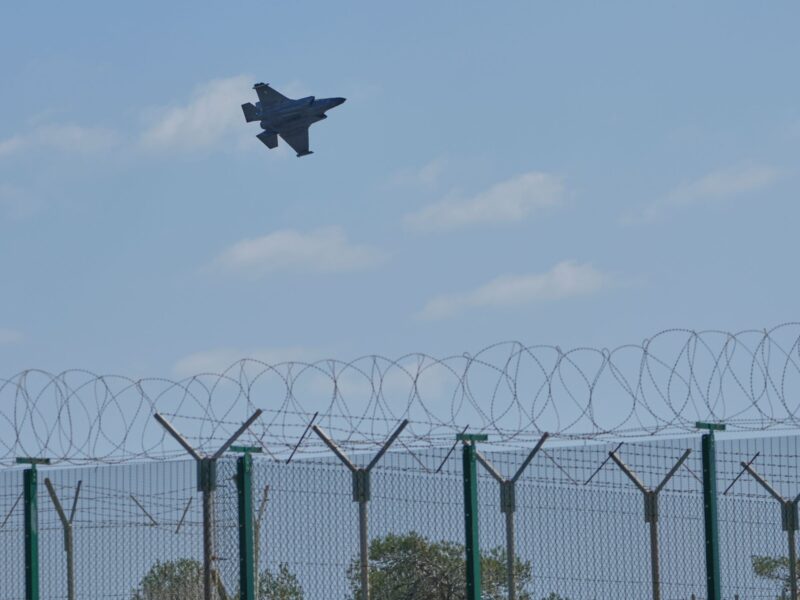
BRUSSELS (CN) — A war that began with U.S. and Israeli strikes on Iran is threatening to disrupt global energy supplies and hit European soil, pushing the EU to convene emergency meetings Monday as Iranian drones targeted European military assets across the Mediterranean and Gulf.
The crisis began Saturday when the U.S. and Israel launched a military operation against Iran, killing Supreme Leader Ayatollah Ali Khamenei and triggering a wave of Iranian retaliatory strikes across the Gulf and Israel. By Monday the conflict had widened further, with Israel striking Hezbollah in Lebanon after the Iran-backed group broke a fragile ceasefire by firing rockets at Israel.
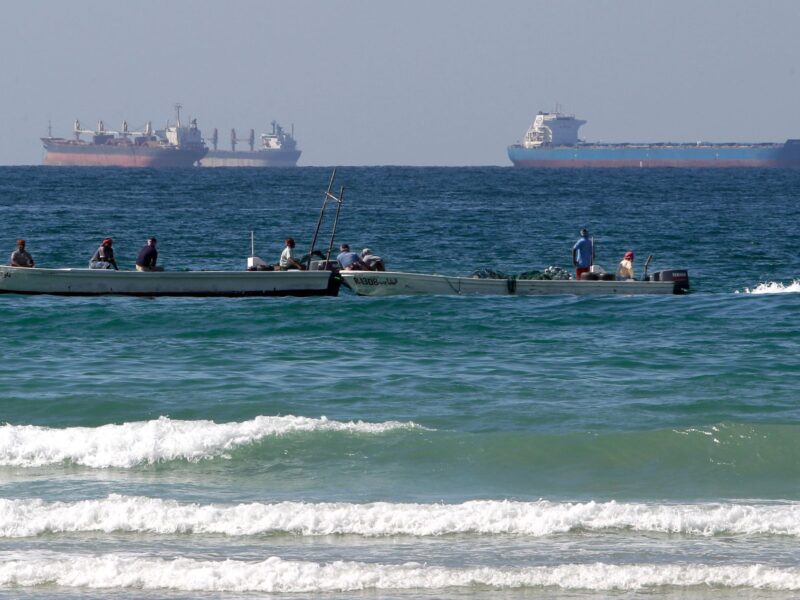
Iran has also moved to restrict traffic through the Strait of Hormuz, the narrow waterway through which roughly a fifth of the world’s oil passes, rattling energy markets. A Gibraltar-flagged tanker was struck Sunday by an unknown projectile in the strait, though it continued after the fire was put out.
Britain drawn in
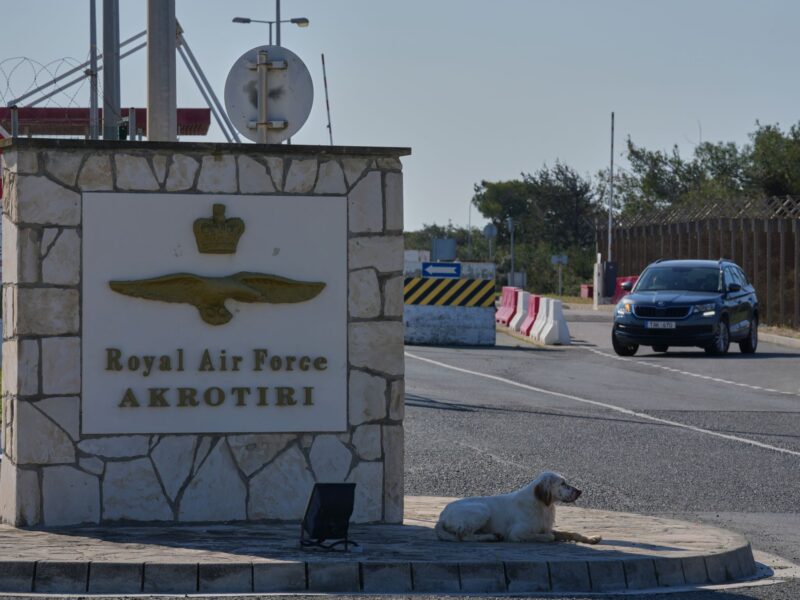
Britain has been pulled closer to the widening conflict after an Iranian drone struck a British air base in Cyprus hours before Prime Minister Keir Starmer agreed to let U.S. forces use U.K. military bases for strikes on Iranian missile sites.
A Shahed drone crashed into Royal Air Force Akrotiri base around midnight Sunday local time, causing limited damage and no casualties, Cypriot President Nikos Christodoulides confirmed. Two more drones heading toward the base were shot down before reaching it, Cypriot officials said Monday. British officials have increased anti-drone defenses and families of service members have been advised to leave as a precaution.
The strike came as Starmer confirmed Washington had asked to use British bases for what he called a “specific and limited defensive purpose” — destroying Iranian missiles before they can be launched. Those bases include RAF Fairford in western England and Diego Garcia, a remote but strategically important U.K.-U.S. facility on the Chagos Islands in the Indian Ocean.
Britain had previously declined such requests, a position that had left Trump “very disappointed,” but reversed course as attacks intensified.
Starmer stressed Britain would not take part in offensive strikes, saying the country had learned from the “mistakes of Iraq.”
Home Secretary Yvette Cooper spelled out the reasoning: “We made a deliberate decision to not provide support for the U.S. strikes over the weekend. But we now face the situation where there are 300,000 estimated British citizens in Gulf countries being targeted by Iranian missiles and drones.”
France said it had not been informed of the U.S. and Israeli strikes in advance. After drones hit one of its naval bases in the UAE on Sunday, Paris hardened its position. France will “strengthen its position and defensive support” alongside partners in the region, President Emmanuel Macron said, condemning what he called Iran’s “disproportionate” response.
Paris agreed Monday to send two additional warships to Aspides — the EU’s naval escort mission in the Red Sea — according to AFP, bringing the European flotilla there to five vessels. The mission has seen a sharp rise in protection requests since the conflict began, confirmed the EU’s top diplomat Kaja Kallas Sunday.
Germany also said it had no involvement in the initial operation. Chancellor Friedrich Merz warned against a prolonged conflict and drew comparisons to Iraq but said Berlin would not criticize Washington while it still needed U.S. support on Ukraine. “This is not the moment to lecture our allies, but to stand together in unity,” he wrote on X. He meets Trump in Washington on Tuesday.
France, Germany and the U.K. said they’re ready to work with the U.S. on “necessary and proportionate defensive action to destroy Iran’s capability to fire missiles and drones at their source,” according to a joint statement Sunday.
Spain’s Pedro Sánchez was the only EU leader to openly condemn the strikes on Iran.
Brussels weighs in
Brussels went further still. Speaking to reporters Monday after calls with nine Middle East leaders over the weekend, European Commission — the EU’s executive — President Ursula von der Leyen said Khamenei’s death had brought “renewed hope for the oppressed people of Iran” and called for a political transition in Tehran.
“The only lasting solution is a diplomatic one,” she said. “And this means a credible transition for Iran.”
Asked whether that amounted to a call for regime change, a commission spokesperson was careful, framing the remarks as support for self-determination. “The president echoed her strong support for the right of the people in Iran to determine their own future,” the spokesperson said.
That went further than the formal EU position. After a two-and-a-half hour emergency video call Sunday, all 27 foreign ministers — led by Kallas — condemned Iran’s strikes as “inexcusable” and warned of additional sanctions but stopped short of calling for regime change.
The EU27 statement warned the crisis could have “unpredictable consequences in the economic sphere,” singling out the Strait of Hormuz and warning its disruption “must be avoided.”
Markets didn’t wait for diplomats. Brent crude jumped nearly 10% to just under $80 a barrel Monday morning, European natural gas surged more than 25% and the euro slumped against the dollar. European stocks fell sharply, with the notable exception of energy companies, miners and defense contractors.
The Strait of Hormuz picture remained murky. Iran’s foreign minister said Tehran was not seeking to close the waterway, despite Iranian strikes on vessels effectively halting most tanker traffic. Qatar’s state energy firm halted LNG production after Iranian attacks hit two of its main gas facilities.
Brussels said there was no immediate energy supply concern but would convene an oil coordination group within 48 hours. EU gas storage stands at around 30%, within safe limits for the end of the heating season.
One beneficiary of the price spike: Russia. Higher oil revenues improve the Kremlin’s ability to fund its war in Ukraine — an uncomfortable side effect of a conflict that European capitals are scrambling to contain.
Kallas announced plans for a joint ministerial meeting between the EU and the Gulf Cooperation Council — whose six member states have all been hit by Iranian strikes — in the coming days.
Cyprus, holding the rotating EU Council presidency, called an emergency crisis response meeting for Tuesday to assess security, trade and energy risks — a format previously used for Covid, the migration crisis and the war in Ukraine.
Underpinning the entire crisis is the question that started it: Iran’s nuclear program. The U.N.’s nuclear watchdog, the International Atomic Energy Agency, held an emergency board session Monday at Russia’s request to assess damage to Iran’s nuclear facilities from the strikes. It said it had detected no radiation leaks — but stressed the urgent need to verify the status of Iran’s nuclear material.
Courthouse News correspondent James Francis Whitehead is based in England. Courthouse News correspondentYuval Molina is based in Brussels, Belgium.
Subscribe to our free newsletters
Our weekly newsletter Closing Arguments offers the latest about ongoing trials, major litigation and rulings in courthouses around the U.S. and the world, while the monthly Under the Lights dishes the legal dirt from Hollywood, sports, Big Tech and the arts.