
 Search Articles


(CN) — Today’s teenagers turn to YouTube like past generations turned to television, and though few are likely to know how to operate a pay phone, many are already building weekly habits with AI chatbots.
After polling 1,458 American youth aged 13 to 17 earlier this fall, Pew published research on Tuesday providing insight into what happens beneath a teenager’s thumbs as they tap through the internet. The nonpartisan research institution has been conducting similar surveys since 2014, providing a decade-long look at changes in online use.
“We’re able to thread that needle of where teens are going on social media platforms and how often,” said Michelle Faverio, a research associate at the Pew Research Center in Washington, D.C. “It’s all self-reported, and this data from behind closed doors is great because it brings in teens’ voices.”
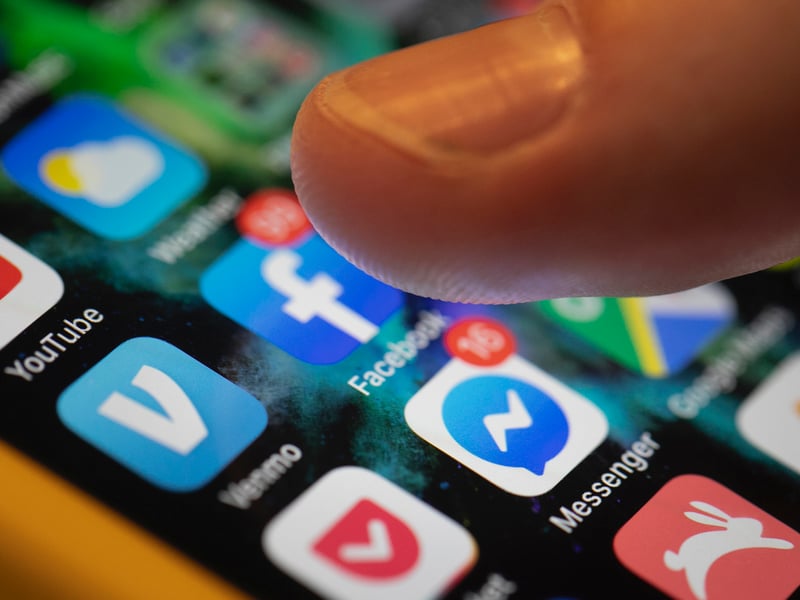
Some teenage habits online have changed over the last decade as new platforms came online and content changed. In 2014, 71% of teenagers were on Facebook, and half reported using Instagram regularly. Today, at just 31%, far fewer teens use Facebook, while a larger share, 63%, report being on Instagram, making it the third most popular site among teens today.
By far the most popular site for teens is YouTube, with 92% reporting regular use, followed by TikTok, used by 68% of teens polled. Both sites have consistently captivated teens since Pew started asking about them in 2022.
“Social media is not only a daily feature in the lives of teens, some report using these platforms ‘almost constantly,’” researchers explain in the report. “About one-in-five teens say this of TikTok and YouTube.”
More than three-quarters of teens, 76%, report being on YouTube at least once a day, with 17% saying they are “almost constantly” on the platform, 43% checking in several times a day and 16% only using it once daily. One-in-five TikTok users also report “almost constantly” being on the platform, along with 12% of Instagram and Snapchat users.
When it comes to being generally “online,” 40% of teens say they are “almost constantly” using the internet, far more than the 24% who reported the same in 2015. Compared to the last four years, however, the number of teens “almost constantly” online has fallen four points while overall internet use has jumped from 92% in 2015 to 97% today.
Being online comes with pros and cons, Faverio pointed out, including that, “roughly four in 10 say that they get overwhelmed by drama on the sites or that some of them say that it hurts their sleep and productivity.”
Nearly half of teens reported earlier this year that they believe social media has a negative impact on their peers — a 16-point increase in the sentiment since 2022. But teens also recognize benefits.
“It is a place where they feel connected to friends, and it’s a creative outlet,” Faverio explained.
Along with gauging social media platforms and online content sites, Pew asked teens about how often they use artificial intelligence chatbots, like ChatGPT and Copilot. Among the two-thirds of teens who have engaged with AI chatbots, most are frequent but not constant users. Only 4% of teens report “almost constantly” using AI, while a third report using chatbots once a week or less often and another third say they have never used the technology.
Ultimately, what drives teens online is a deceptively complex equation. Faverio said, “with all technologies that we track, with how it’s evolving, and schools are implementing it or restricting it, with people encouraging and discouraging use of these technologies, it’s striking for us to be able to follow along.”
While large shares of teens report being online daily, adults share similar habits. Last year, Pew reported 83% of adults using YouTube and 68% on Facebook, with the highest use among adults aged 18 to 29.
 Follow @bright_lamp
Subscribe to our free newsletters
Our weekly newsletter Closing Arguments offers the latest about ongoing trials, major litigation and rulings in courthouses around the U.S. and the world, while the monthly Under the Lights dishes the legal dirt from Hollywood, sports, Big Tech and the arts.