Search Articles


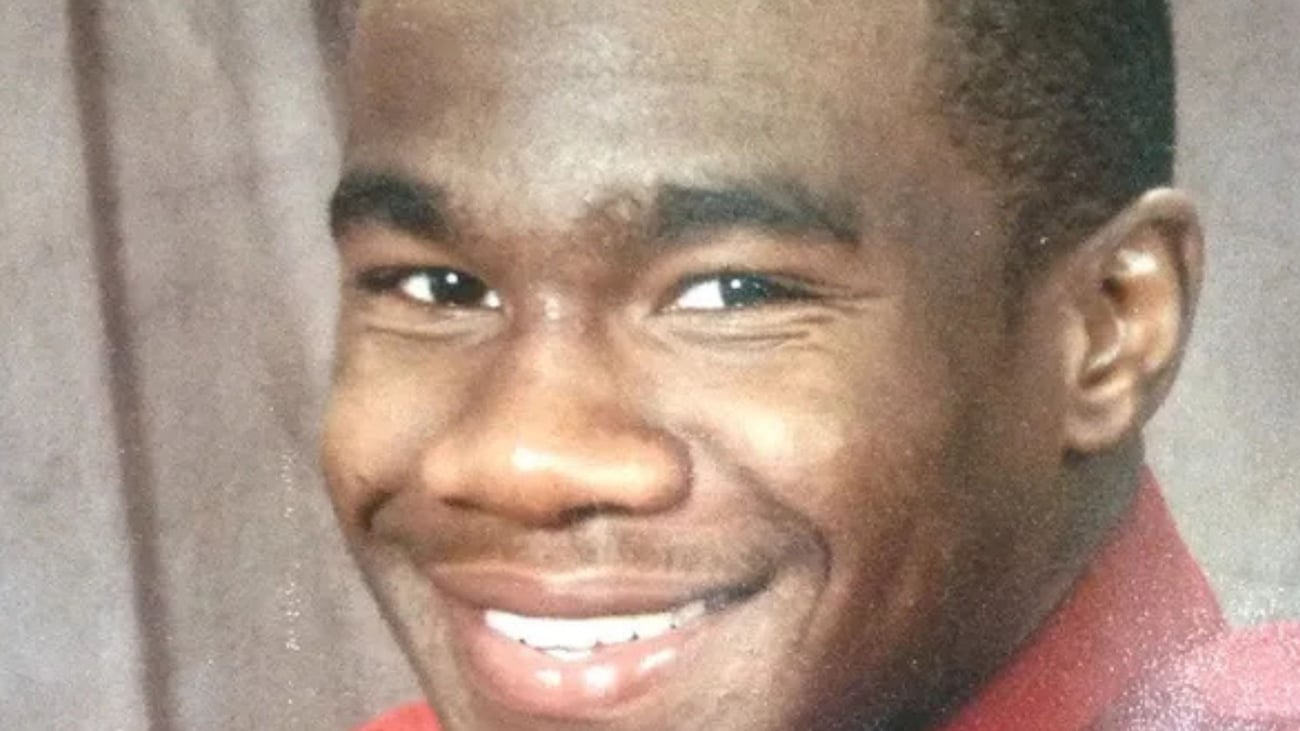
HARTINGTON, Neb. (CN) — Gene Twiford was a veteran and a former Nebraska statewide commander of the American Legion. At age 86, he did not die in his sleep; instead, prosecutors say he, his wife, a daughter and a neighbor were murdered because a woman who lived nearby believed he had said something rude about her.
“If you had a problem with Mr. Twiford, go talk to the man. That can resolve the problem short of killing his entire family," said prosecutor Sandra Allen in court Thursday. “Go have a talk with the man. Find out he is a harmless old man. It didn’t have to end like this.”
A jury convicted Jason Jones last year of killing Gene Twiford; Janet Twiford, 85; Dana Twiford, 55; and Michele Ebeling, 53, in 2022 in Laurel, Nebraska, and setting afire the two houses where the four people lived.
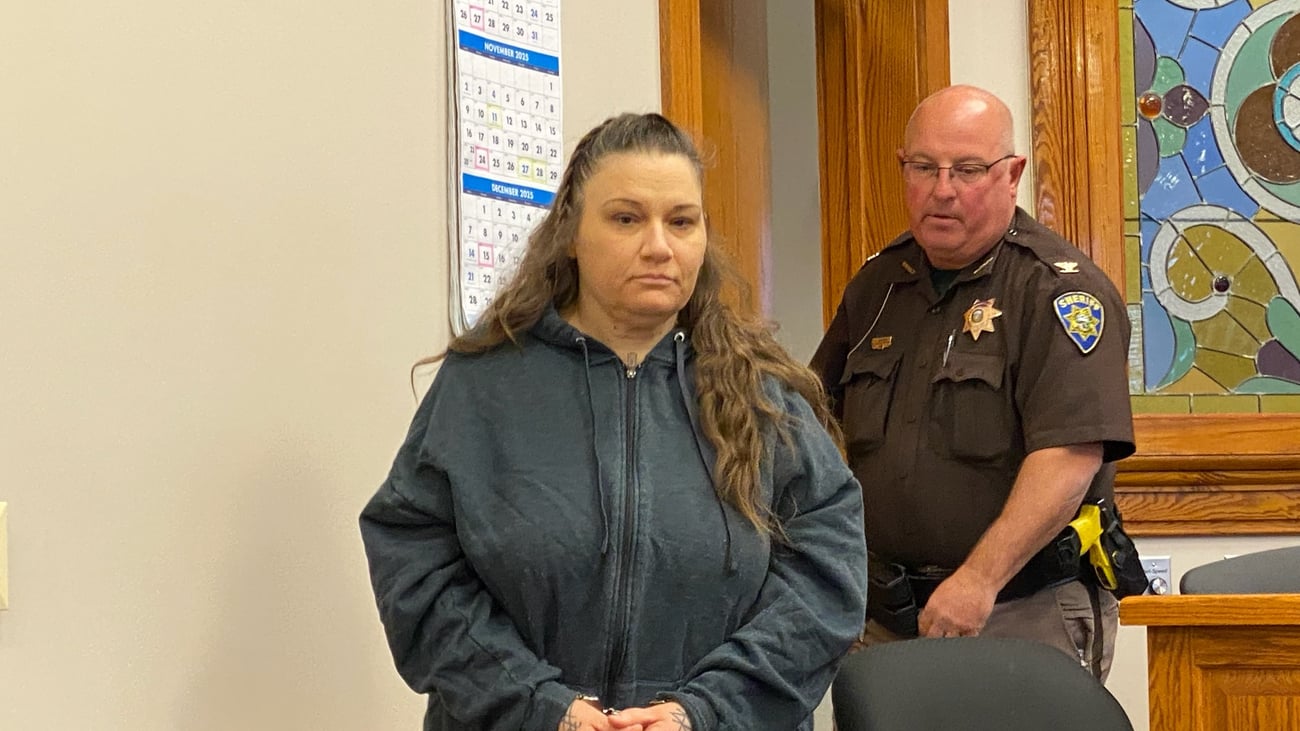
A different jury convicted Jones’ wife, Carrie Jones, in August of participating in Gene Twiford’s murder by encouraging her husband to commit it, harboring her husband, and concealing and destroying evidence in the slayings.
Two key hearings in the 2022 quadruple homicide case took place Thursday in a courtroom in northeast Nebraska. In the first, Carrie Jones was sentenced to life in prison — the expected penalty. Then, lawyers for the state and Jason Jones argued in front of a three-judge panel over factors that will determine if he will get a death sentence.
Due to the volume of case materials the three judges will have to sift through, the hearing where they will present their final decision was scheduled for April 10.
But it was in the shorter hearing for Carrie Jones’ sentencing that was the emotional center of the proceedings in the district courtroom for the Cedar County Courthouse, located in Hartington, Nebraska. Two members of the Twiford family read from victim impact statements in front of the court.
Gail Curry, a daughter of the couple, talked about the grueling wait between the time of the murders and the arrest of Carrie Jones four months later.
“She never came forward, never showed an ounce of remorse and never once said she was sorry. On the day for the funeral of my mom, dad and sister, she chose to mow her lawn right across from one of the churches holding the services, as if nothing happened,” Curry said.
In the early morning hours of Aug. 4, 2022, investigators believe Jones entered the Twiford home using a prybar and killed Gene Twiford and his wife and daughter there, apparently not realizing they were also home when he entered.
After the killings, they say he walked down the street to the Ebeling home, where he shot and killed Michele Ebeling. He set both homes on fire.
Prosecutors say Ebeling was found after an explosion was heard at her home. The Twifords were found later that morning after neighbors saw smoke coming from their house. Authorities arrested Jason Jones later in the day and arrested Carrie Jones four months later.
Jones was convicted of four counts of first-degree murder, four counts of use of a firearm to commit a felony, and two counts of second-degree arson in a trial that lasted a day short of three weeks.
A jury found Carrie Jones guilty Aug. 7 of first-degree murder, tampering with physical evidence and being an accessory to a felony.
In the hearing for Carrie Jones, Gail Curry said that her father was a veteran and lifelong farmer but also a “jokester” who embraced life. “He never understood why people chose to be angry at the world when life had so much good to offer.”
Janet Twiford was the most organized person in the family and was always baking treats, Curry said.
“She was the heart of our family. The one who remembered every birthday," she said. “And made everyone feel loved.”
Dana Twiford lived with her parents because she had special needs, Curry said. She had worked in a nursing home, and Curry credited her with catching Jason Jones breaking into the home, causing him to make mistakes that led to his arrest.
“The night of the tragedy, Dana became the hero God knew our family would need. She caught the attacker by surprise, throwing off his plan and forcing him into mistakes,” Curry said. “Her courage changed the course of that terrible night, but it came at its greatest cost, as she was shot seven times.”
Allen, the prosecutor, also read from a written victim-impact statement by Ebling’s daughter. “She writes, ‘You killed my mother for what reason? Because you thought she was weird? If you had taken a moment to get to know my mom, you would know she is a very nice, bright person.’”
Carrie Jones declined to say anything in court. In the end, state sentencing guidelines did not offer Cedar County District Court Judge Bryan C. Meismer much latitude in his sentencing, something acknowledged by her own attorney. Meismer sentenced her to life.
In the death penalty hearing for Jason Jones, discussion mostly centered on more than a dozen exhibits that point to mitigating or aggravating factors the trio of judges will consider.
Nebraska district court Judges Timothy P. Burns and Patrick M. Heng joined Meisner in the death penalty hearing, the latter of whom has been in the news for presiding over a lawsuit on a new immigration facility in Nebraska.
For the defense, some of the mitigating factors listed by Todd Lancaster, chief counsel for the Nebraska Commission of Public Advocacy, included that Jones had mental health issues, had served in the military, was influenced to commit his crimes and had adjusted well to prison.
Prosecutor Corey O’Brien agreed that Jason Jones had no significant criminal history before the event, but he disagreed that Carrie Jones’ involvement was enough to serve as a mitigating factor.
“The state has never suggested, even though some of the evidence has pointed to the fact that Carrie Jones did some things to steer her husband towards committing this crime, that she exerted such pressure that she had backed him into a corner and had nowhere else to turn,” he said.
Prosecutors and defense attorneys will submit written briefs on the matter within two weeks.
Jason Jones did not attend his hearing, as he remains disfigured from his burns the night of the murders and cannot sit upright for an extended period. He did not attend his trial, either.
The slayings shook Laurel, a city of about 950. Nebraska journalists reported that the last killing in Laurel had been in a 2005 bar fight, and that resulted in a charge of manslaughter instead of murder.
The death penalty is rarely applied in Nebraska, though killers are occasionally sentenced to death. Carey Dean Moore, who murdered two Omaha taxi drivers, was executed via lethal injection in 2018, the first in 21 years. The current death row population is 11, according to the Death Penalty Information Center.
 Follow @nelson_aj
Subscribe to our free newsletters
Our weekly newsletter Closing Arguments offers the latest about ongoing trials, major litigation and rulings in courthouses around the U.S. and the world, while the monthly Under the Lights dishes the legal dirt from Hollywood, sports, Big Tech and the arts.